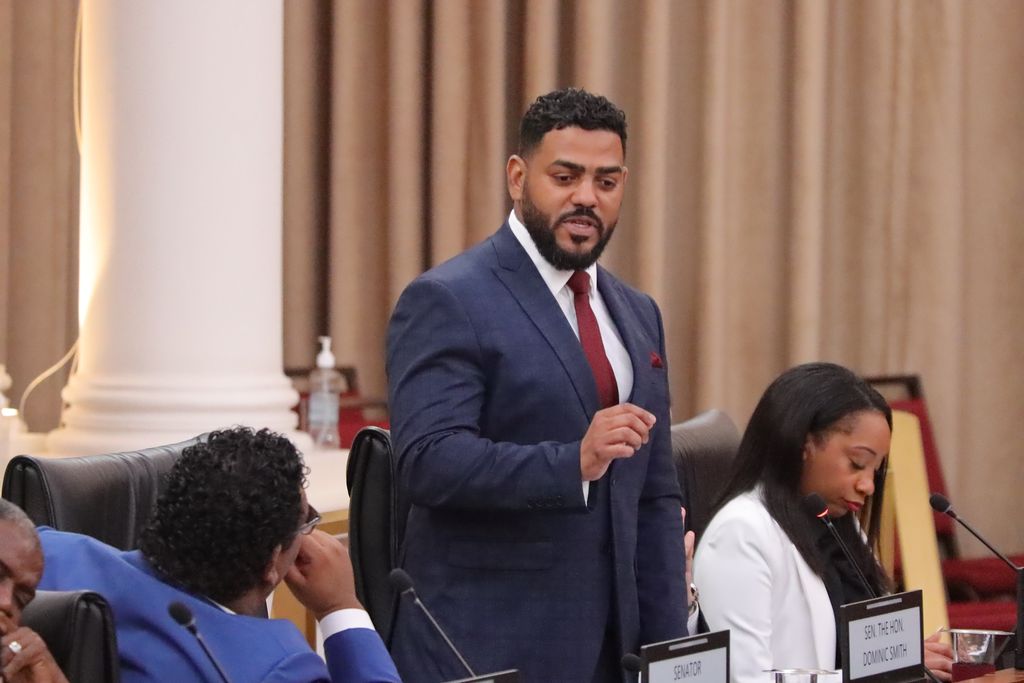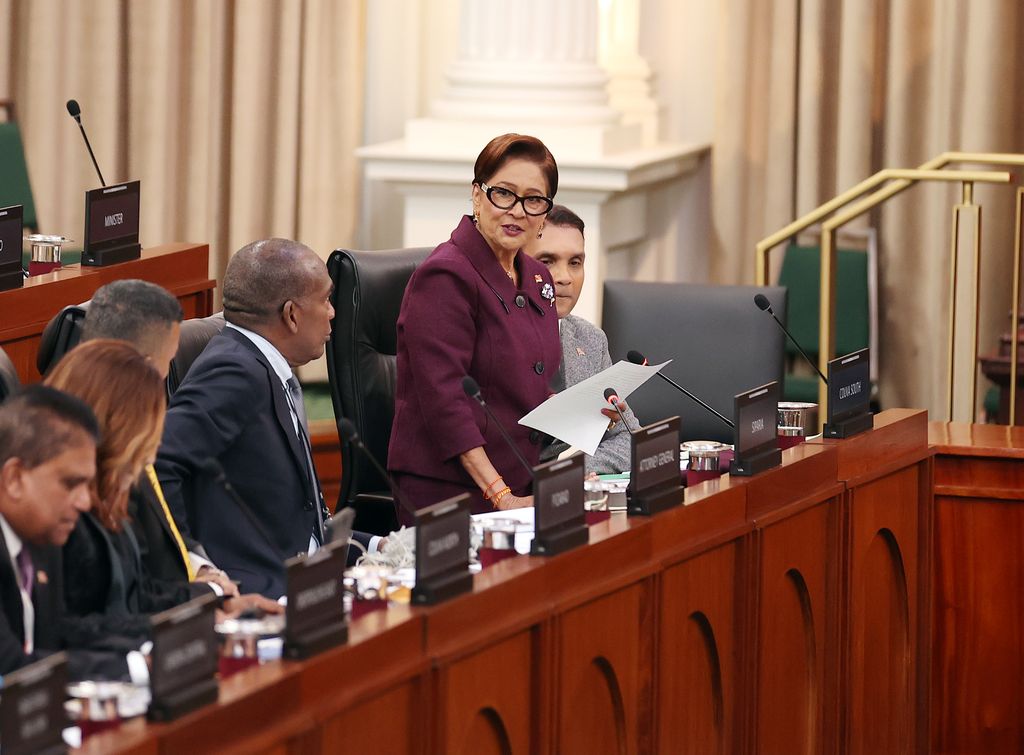

Concerns are mounting over the precedent that could be established if Senate President Wade Mark’s use of his casting vote to pass the Government’s Special Operations Bill becomes accepted practice whenever Senate votes are tied.
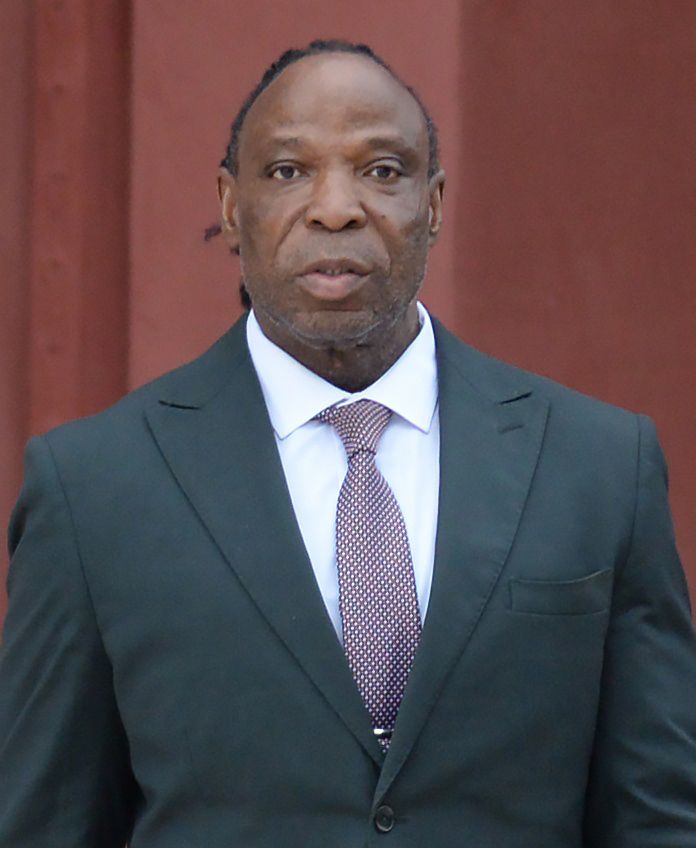
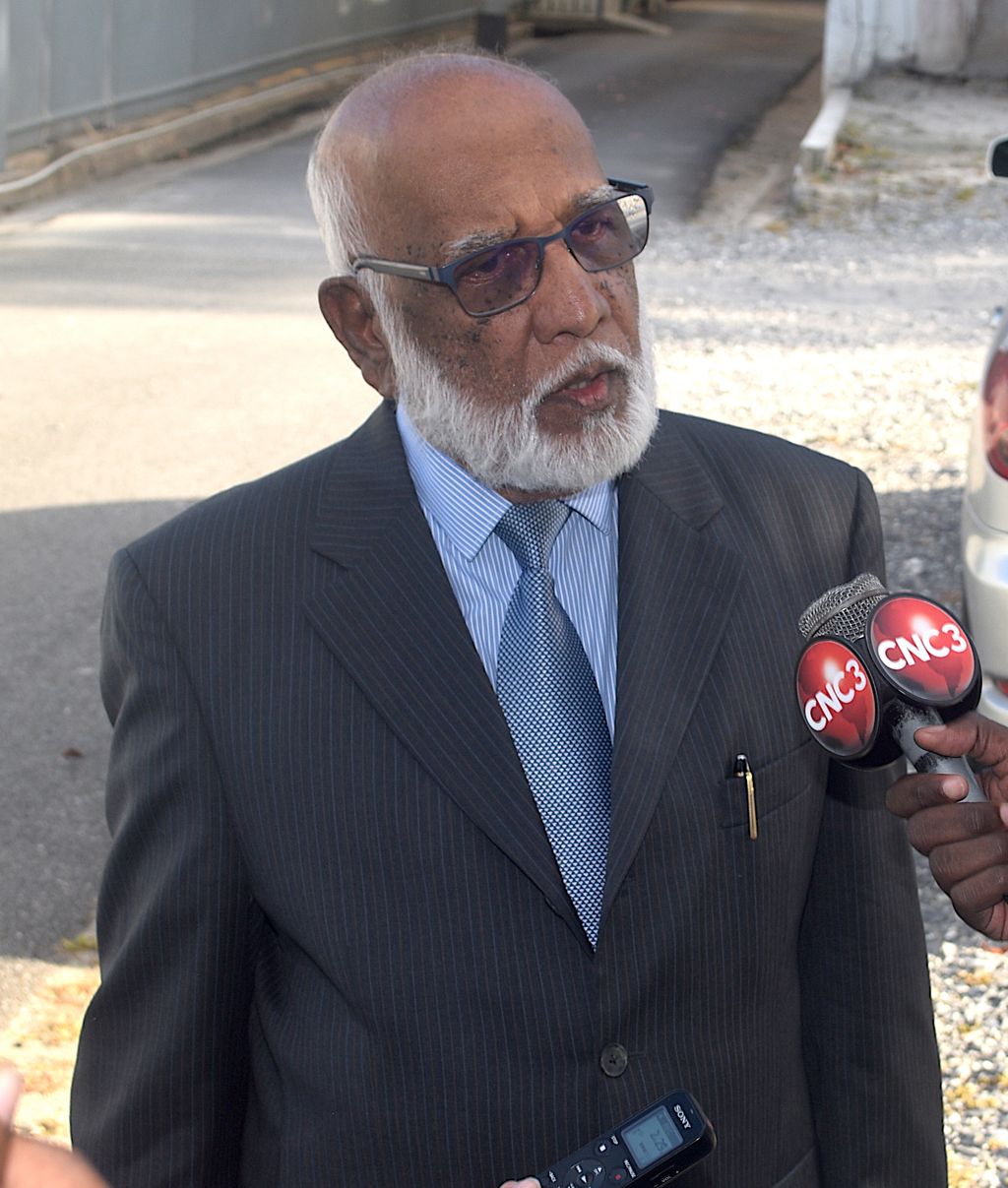
Former house speaker Nizam Mohammed weighed in on the issue yesterday, following Mark’s decision to cast the deciding vote after Government senators and a combined Opposition and Independent bloc were deadlocked 15-15 on the bill. Opposition senators, who challenged Mark’s action, subsequently walked out of the Senate chamber.
While acknowledging the Senate President has an unquestionable constitutional right to cast a vote in the event of a tie, Mohammed argued that the issue extends beyond the existence of that power.
“Mr Mark should publish the findings of the research on which he acted,” Mohammed said.
He stressed that parliamentary conventions exist to ensure a casting vote is exercised consistently with the independence and impartiality of the Chair, rather than serving as a mechanism for either side to secure a majority it could not otherwise obtain.
“Where possible, the Chair should permit further consideration. Where a final decision must be made, a substantive change should not be effected without a majority, and an amendment to a bill should ordinarily leave the bill in its existing form,” Mohammed said.
He added: “The underlying principle is that the presiding officer should not take responsibility, by a single vote, for producing a change which the House itself has been unable to approve by a majority. The issue here is what the office requires of the person exercising that power when the Senate itself has failed to produce a majority.”
Pointing to Senate precedent, Mohammed said historical research would reveal repeated 15-15 divisions in which government proposals were defeated and substantive motions were not carried, thereby preserving the status quo.
“If all nine Independent senators and all six Opposition senators decline to support a measure, the Government has failed to secure a majority among senators. The casting vote should not become an automatic sixteenth Government vote which cures that failure,” he said.
“To treat it in that way would fundamentally alter the role of the Chair and diminish the very deliberative function which the Senate’s composition facilitates.”
Mohammed argued that the issue is particularly significant when substantive and consequential legislation is before Parliament.
“Westminster practice recognises a distinction between keeping a matter alive for further consideration and using the casting vote to bring about a final change in the law. Where no further discussion is possible, the longstanding principle is that the change should command a majority rather than depend upon the single vote of the presiding officer,” he said.
He warned that the implications extend far beyond yesterday’s vote.
“It is the precedent that may now be created. If it becomes accepted that whenever the Government finds itself at 15-15, the Senate President may simply provide the sixteenth vote required for passage, the casting vote ceases to be an exceptional constitutional mechanism exercised with restraint and becomes part of the Government’s legislative arithmetic,” he said.
“That’s precisely what must be guarded against. Constitutional conventions matter because written constitutions cannot prescribe every restraint required of those who hold high office. The system depends upon judgment, independence and an understanding that possessing a power is not the same thing as being free from principles governing its exercise.”
Mohammed said the Senate’s composition places a premium on deliberation, persuasion and compromise.
“Where the numbers are evenly divided, legislation cannot simply advance by force of numbers. It requires fuller debate, greater engagement with opposing views and, where necessary, adjustment sufficient to secure a genuine majority in the Senate. That’s why a 15-15 division should cause us to pay attention.”
Mohammed also cited Erskine May: Parliamentary Practice, widely regarded as the authoritative guide to Westminster parliamentary procedure. The text states that while presiding officers are entitled to cast a deciding vote when divisions are tied, longstanding conventions have developed to protect the impartiality of the Chair.
Those conventions rest on three core principles:
Vote for further discussion: Where possible, the Chair should cast a vote that allows continued debate and consideration.
Major decisions require a majority: Where no further discussion is possible and a vote would produce a final decision, significant changes should be approved by an actual majority of members rather than by the casting vote of the presiding officer alone.
Preserve the existing text: On amendments to bills or motions, the casting vote should be exercised in a manner that leaves the existing wording unchanged unless a majority supports the alteration.
Mohammed argued that these principles are designed to ensure that disputed political decisions are ultimately made by elected and appointed legislators, rather than by the presiding officer acting alone.