
RADHICA DE SILVA
Senior Multimedia Reporter
radhica.sookraj@gardian.co.tt]radhica.sookraj@gardian.co.tt
ARIZONA — As the United States prepares for a surge in global travel ahead of the upcoming FIFA World Cup, officials say stronger collaboration across agencies and countries is critical to combating passport and visa fraud, which often links to transnational criminal networks.
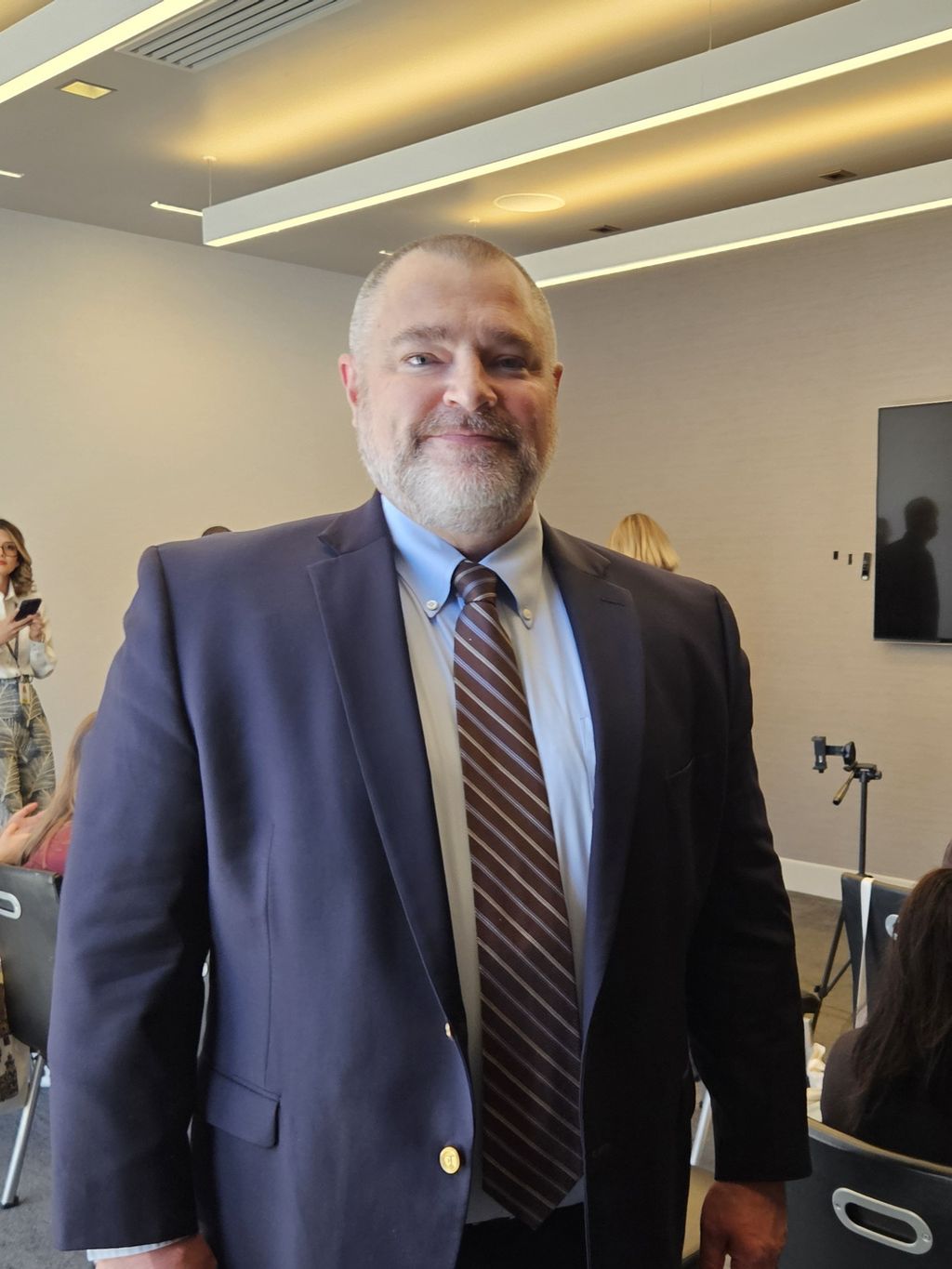
That is according to Jeff Kraus, a special agent with the U.S. Department of State’s Diplomatic Security Service, who said coordinated efforts are central to detecting and disrupting fraud before it reaches American borders.
Speaking at a briefing, Kraus said U.S. investigators work closely with consular officials and overseas posts to identify suspicious applications and stop fraudulent travel documents early in the process.
“We investigate crimes committed against the federal government,” Kraus said, explaining Diplomatic Security special agents are deployed both in the United States and at embassies and consulates around the world.
He added the work is highly international in scope, with agents often working directly inside visa sections where applications are processed.
Kraus, who has served with the State Department for more than 20 years, said his experience has included postings in Iraq, Jordan, South Africa and Mexico, which he described as a key region for U.S. migration and security operations.
“Mission Mexico is one of the largest in the world,” he said, pointing to a wide network of consulates including Tijuana, Juárez, Nogales, Matamoros, Monterrey and Mérida, where fraud detection is a major priority.
He said Diplomatic Security agents review suspicious cases flagged by visa officers and conduct investigations when potential fraud is identified.
“They work where people would go to get a visa to come to the United States,” he said, adding the goal is to intercept fraudulent applications before approval.
Kraus warned visa and passport fraud are often not isolated crimes but can be linked to broader organised criminal networks, including those involved in human trafficking.
He said investigators routinely look for patterns that may indicate larger criminal operations, while stressing he would not discuss specific cases or nationalities.
While Diplomatic Security does not set visa policy, Kraus said it works closely with consular affairs teams who manage visa issuance and update safeguards in response to fraud risks.
“We get involved when there’s a problem,” he said, noting consular officials lead on policy while special agents handle investigative enforcement.
He said the priority is to ensure applications for major global events, including the World Cup, are scrutinised consistently, with existing security processes adapting to high travel demand.
The World Cup will begin on June 11 and run to July 19, and Kraus said the combination of overseas investigations, consular screening and federal enforcement forms part of a broader strategy to disrupt fraud networks before they reach the United States.