
GEORGETOWN, Guyana – The 15-member Caribbean Community (Caricom) grouping has expressed “serious concern” over the continued hostilities in the Middle East, marked by military action in the Strait of Hormuz.
“Caricom is alarmed by the severe loss of life, threats to civil infrastructure, and the instability in global markets that have resulted from the ongoing conflict,” the grouping said in a statement yesterday.
United States President Donald Trump has warned Iran that the “clock is ticking” as talks to bring the war to an end have stalled. On February 28, the United States and Israel launched massive air attacks against Iran, which has responded to the latest US proposal by saying that exchanges with Washington were continuing through Pakistani mediators.
Trump suggested last Friday that he would accept a 20-year suspension by Iran of its nuclear programme – a major sticking point between the two countries – in what appeared to be confirmation of a shift in position away from a demand for a total end to it.
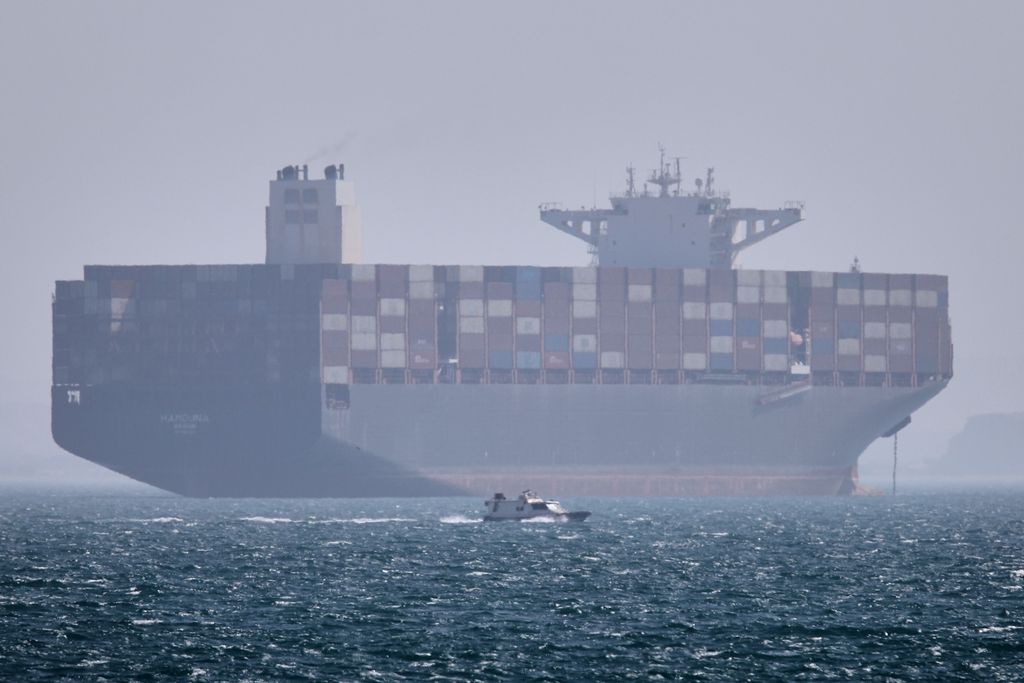
In its statement, Caricom said the recent developments in the Middle East have profoundly affected maritime transport through the Strait of Hormuz, through which the right of transit passage applies under the United Nations Convention on the Law of the Sea (UNCLOS). (See page 14)
“The disruption of transit passage has consequences which reverberate across the global economy – through energy markets, supply chains and increased freight costs, thereby limiting countries’ access to critical supplies, and disproportionately affecting small import-dependent states,” Caricom said.
”Caricom notes that all Member States of the Caribbean Community are States Parties to the United Nations Convention on the Law of the Sea, and reaffirms its unwavering commitment to upholding the principles of the UNCLOS.”
It said that the rights conferred by the UNCLOS are firmly entrenched in customary international law, and are binding on all states, regardless of whether they are States Parties to UNCLOS.
“Caricom also notes that the right of passage under the UNCLOS should not be contingent on any licence, levy, or authorization, and bordering States should not hamper or suspend transit passage,” the regional body said.
”Caricom therefore calls on all concerned parties to uphold and respect the right of transit passage, comply with all other applicable obligations under international law, restore safe and unimpeded transit passage in the Strait of Hormuz, and ensure the safety of seafarers and vessels. Furthermore, Caricom urges cessation of hostilities, and stresses the urgent need for de-escalation and restraint by all parties.”
Caricom said it will continue to closely monitor the developments in the Middle East and “remains steadfast in its support for diplomacy to promote sustainable peace in the region and greater stability globally.” (CMC)