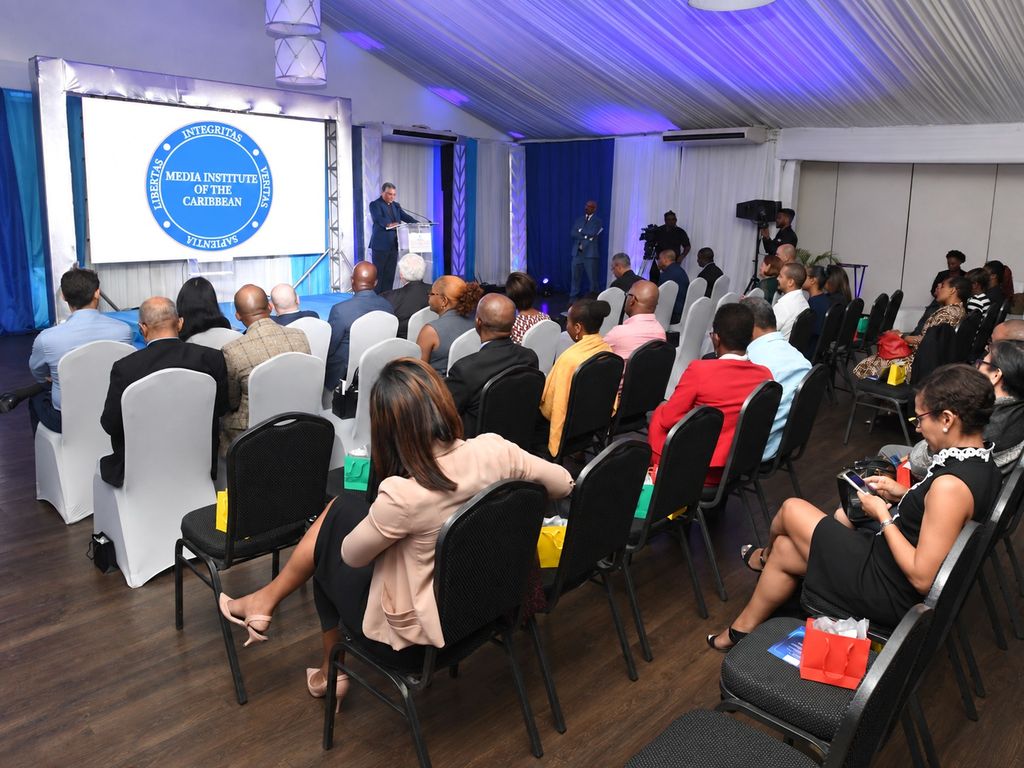

The Media Institute of the Caribbean (MIC) has been granted consultative status as a non-governmental organisation in partnership with the United Nations Educational, Scientific and Cultural Organisation (UNESCO), strengthening its role in promoting independent and sustainable media across the region.
The decision was made during the 225th session of UNESCO’s Executive Board in Paris, marking only the second time an NGO from the English- and Dutch-speaking Caribbean has received the distinction.
The status formally recognises MIC’s contribution to media development, access to information, media and information literacy, freedom of expression and media viability. It also creates opportunities for deeper collaboration with UNESCO on emerging issues affecting the regional media landscape.
UNESCO Regional Director and Representative Eric Falt said MIC’s understanding of the Caribbean media landscape would help translate the recognition into practical action.
“ This new status allows us to turn that knowledge into action, strengthening media resilience, innovation and access to information across the region,” Falt said.
Established seven years ago, MIC has trained more than 800 journalists across the Caribbean and provided over 4,000 hours of mentorship.
Its work includes research, policy recommendations, professional training, workshops, fellowships and mentoring programmes for journalists, media professionals, educators and other stakeholders. The organisation also facilitates regional dialogue and knowledge-sharing among media practitioners, civil society groups and development partners.
MIC has maintained regular cooperation with UNESCO since 2020, working on initiatives to improve access to information and strengthen media ecosystems throughout the Caribbean.
Among the joint initiatives was the regional project, “Strengthening Information Integrity and Media Resilience in the Caribbean”, alongside capacity-building programmes, research and policy discussions.
In 2022, MIC conducted the Media Viability Indicators Study on Jamaica as a global pilot project. In 2025, it also released “Disasters and Crises in the Caribbean Region: A Review of Experiences in Seven Countries”, with support from UNESCO.
MIC president Kiran Maharaj said the recognition presented an opportunity to amplify Caribbean perspectives in international discussions about the future of media.
She said the organisation could contribute regional expertise and experience to pressing issues, including information integrity, artificial intelligence, media viability and disaster resilience.
The new status is expected to deepen cooperation between MIC and UNESCO as both organisations pursue stronger, more resilient media systems and improved access to reliable information across the Caribbean.