
Suzanne Shepperd
Slinger Francisco, the legendary calypsonian known to generations across the Caribbean and the world as The Mighty Sparrow, died at 91. He died peacefully in New York yesterday surrounded by loved ones, following a brief illness, according to a statement issued by his family.
Widely regarded as an institution in the entertainment industry, Sparrow was celebrated for his skill and finesse as a singer, songwriter and mentor. For decades, his music entertained, provoked, challenged and educated audiences, making him one of the most influential figures in the history of Caribbean music.
But beyond the performer known to millions, his family remembered him as a husband, father, grandfather, great-grandfather, life partner and friend.
The family said it took comfort in knowing that, before his passing, Francisco had given his life to Jesus Christ and had been baptised in the Seventh-day Adventist faith.
Plans are being made for a public celebration of his life. Fans and well-wishers have also been encouraged to pay tribute to the calypso giant on social media by tagging @therealmightysparrow.
The family thanked members of the public for their condolences and asked that their privacy be respected as they mourn.
Born in the fishing village of Grand Roy, Grenada, Francisco moved to Trinidad and Tobago with his mother when he was one year old. He grew up in Port-of-Spain, where he was immersed in the diverse cultural environment that would profoundly influence his music.
Music was an important part of his early life. He sang in the choir of St Patrick’s Catholic Church, developing the vocal technique and musical sensibility that would later become hallmarks of his career.
But the calypso tents of Port-of-Spain captured the young Francisco’s imagination.
Calypso offered him the perfect vehicle for his extraordinary talent. It allowed him to combine humour, melody and performance with social and political commentary—a combination that would become the hallmark of his work.
His professional career began in the early 1950s under the name Little Sparrow, reflecting his energetic and lively performance style. He eventually dropped “Little” and became The Mighty Sparrow.
In 1956, Sparrow’s career exploded with “Jean and Dinah,” a witty and provocative calypso examining the social consequences of the departure of American servicemen from Trinidad and Tobago following World War II.
The song won both the Calypso Monarch and Road March titles, establishing Sparrow as a major force in Trinidad and Tobago’s Carnival and calypso culture.
The victory also marked a turning point for calypso, as Sparrow brought sophisticated lyrics, contemporary rhythms and social commentary to a rapidly changing musical landscape.
Through the late 1950s, the 1960s and 1970s, Sparrow dominated the calypso scene. He recorded dozens of albums and wrote hundreds of songs, creating a body of work that explored politics, economics, love, family, sexuality, religion and Caribbean identity.
Songs such as “Capitalism Gone Mad,” “Federation” and “No Money No Love” demonstrated his ability to use calypso to examine political and social realities.
At the same time, he became renowned for his bawdy humour and comedic storytelling in songs including “Saltfish,” “Obeah Wedding,” “Melda” and “Mother-in-Law.”
His music was often provocative, but Sparrow’s work was distinguished by intelligence, wit and an exceptional command of language. He helped elevate calypso beyond Carnival entertainment, establishing it as a powerful form of cultural expression and social commentary.
His influence was not confined to recordings.
Sparrow was an electrifying performer whose stage presence carried him from local calypso tents to major venues throughout the Caribbean, North America, Europe and beyond. He performed at prestigious venues including New York’s Madison Square Garden and London’s Royal Albert Hall.
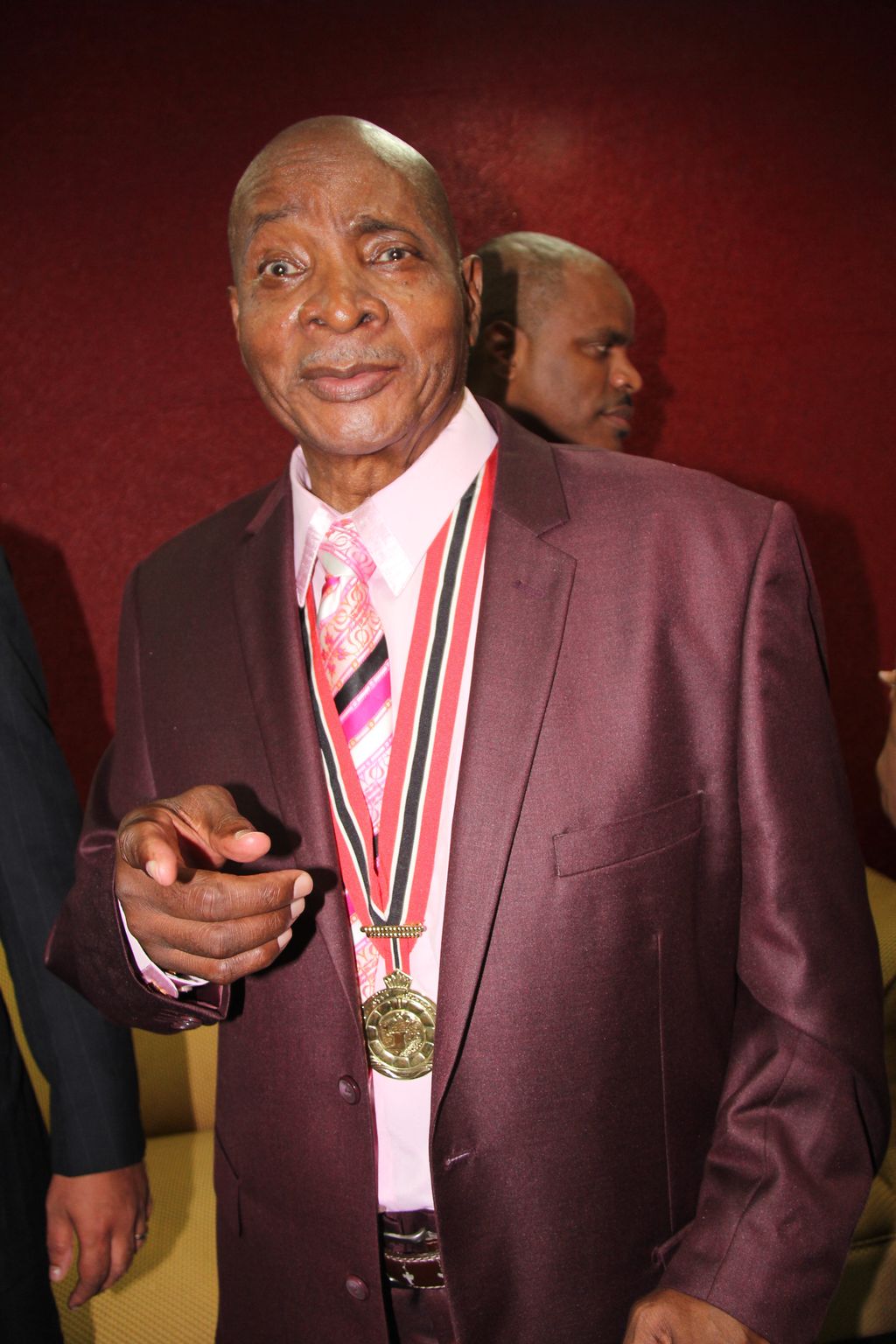
During a career spanning more than seven decades, Sparrow won the Calypso Monarch title multiple times and claimed the Road March crown on several occasions. He was also awarded the Chaconia Gold Medal by the Government of Trinidad and Tobago for his outstanding contribution to music and culture.
His influence extended across generations and musical genres.
Sparrow remained involved in music well into his later years, continuing to perform and record despite periods of serious illness.
Tributes and concerts in recent years introduced his work to new audiences, while his songs remained staples of Carnival celebrations, cultural festivals and gatherings throughout the Caribbean and its diaspora.
Sparrow spent much of his life between Trinidad and Tobago and the United States, particularly New York, where he performed regularly and developed strong ties with Caribbean communities.
For generations of calypso lovers around the world, The Mighty Sparrow was a chronicler of Caribbean life, a master storyteller and one of the defining voices of the region.
With his passing, Trinidad and Tobago and the wider Caribbean have lost one of their most enduring cultural icons.