Berkeley Carnival Revolution seeks clarity on Special Operations Bill impact on Carnival
 21 September 2026

Berkeley Carnival Revolution (BCR) is calling on the Government to clarify how special operations measures, including possible curfews, movement restrictions and permit requirements, could affect Trinidad and Tobago’s cultural sector.
In a statement on Monday, BCR said mas camps, pan yards, studios, theatres, dance companies and other cultural spaces provide young people and others with productive outlets while building skills, strengthening communities and preserving cultural traditions.
The group said many of these spaces have developed in working-class and marginalised communities, with much of the work taking place at night.
With the 2027 Carnival season approaching, BCR said cultural practitioners cannot simply be told to move their activities to daytime hours because many people involved in Carnival have regular jobs and participate in cultural activities after work.
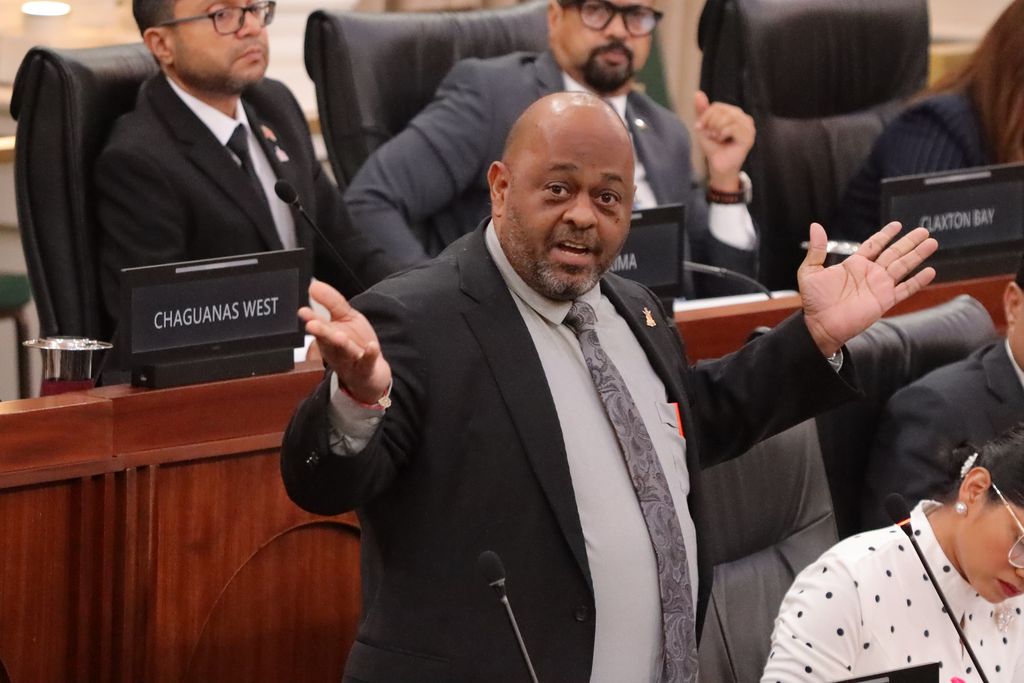
The issue was also raised during Friday’s parliamentary debate by Diego Martin West MP Hans Des Vignes, who said the proposed measures could affect culture, sport and youth.
Des Vignes said cultural performers would have to move in and out of communities for rehearsals and performances.
“Let us understand what this means in terms of culture,” he said, before being interrupted by Couva South MP Barry Padarath.
Des Vignes later said he was “standing up for my constituents who are cultural performers” who would have to “traverse in and out of communities”.
Padarath argued that people in different professions would still require permits, while Oropouche East MP Dr Roodal Moonilal told Des Vignes to move on, saying Parliament had already heard concerns about people including plumbers, electricians, carpenters, athletes and singers.
BCR also raised concerns about movement restrictions, noting that Carnival activities involve people travelling between communities and districts.
“A person may live in one district, work in another, attend rehearsals in a third, and travel through several districts to get home,” BCR said.
It also questioned how a permit system would affect people without smartphones or reliable internet access.
BCR said it was concerned about comments attributed to Defence Minister Wayne Sturge suggesting that members of the public need “an ounce of common sense” to understand the permit system.
“Asking legitimate questions about how new restrictions will affect people’s lives is not a lack of common sense. It is responsible citizenship,” the group said.
BCR is asking the Government to explain how cultural practitioners and workers will access mas camps, pan yards, studios, rehearsal spaces and other workplaces; how people travelling between districts will be accommodated; and how permits will be issued to people without smartphones or reliable internet access.
It also wants clarity on how late-night cultural activity will be accommodated and what arrangements will apply during the Carnival season.
BCR said it does not support “the creation of a police state to enforce a system of apartheid” and called for the protection of human rights and dignity.
“Security cannot come at the expense of people’s ability to move, work, gather, create, and participate in their communities,” the group said.
“Culture cannot thrive when the people who create it cannot freely participate in it.”