
Caribbean governments are pushing for greater investment in early-warning systems, upgraded weather-monitoring infrastructure and impact-based forecasting as limited resources and ageing equipment constrain the region’s ability to prepare for increasingly severe climate hazards.
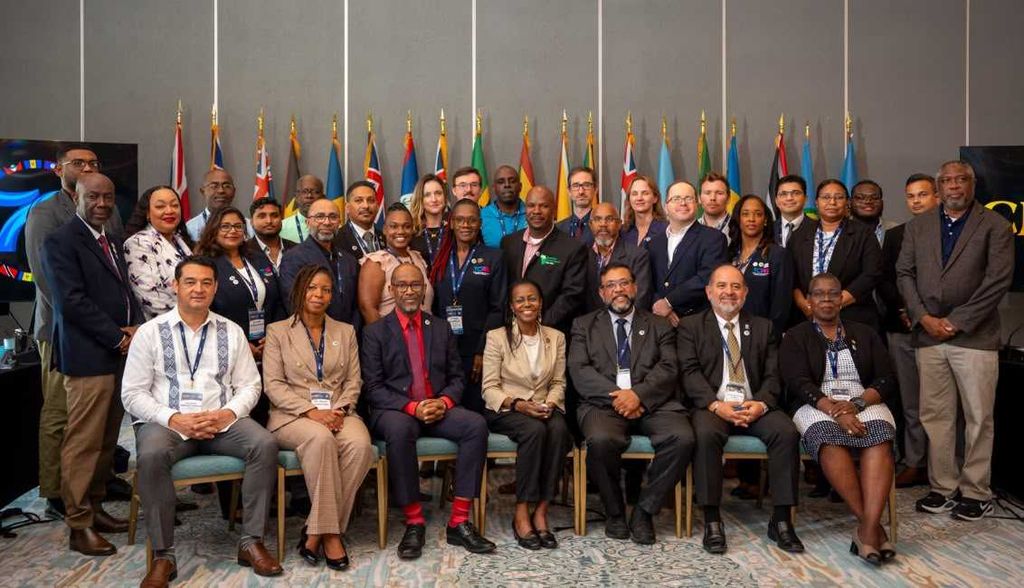
The funding challenge emerged as a central issue at the 70th session of the Caribbean Meteorological Council in the Turks and Caicos Islands, where World Meteorological Organisation President Dr Abdulla Al-Mandous highlighted a $24-million Green Climate Fund and Caribbean Development Bank project to expand hydrometeorological and multi-hazard early-warning services in Belize and Trinidad and Tobago.
The meeting is taking place as world leaders gather in Turkey for COP31, where emissions targets, climate finance and the pace of global climate action are under discussion.
Turks and Caicos Islands Deputy Premier Jamell Robinson said Caribbean states were already bearing substantial costs from a climate crisis to which they had contributed relatively little, while simultaneously financing disaster recovery, adaptation and the transition to cleaner energy.
Robinson called for a global financial system that takes countries’ vulnerability into account rather than relying principally on income classifications. He argued that financing arrangements must enable small island states to build resilience without increasing the burden of disaster recovery.
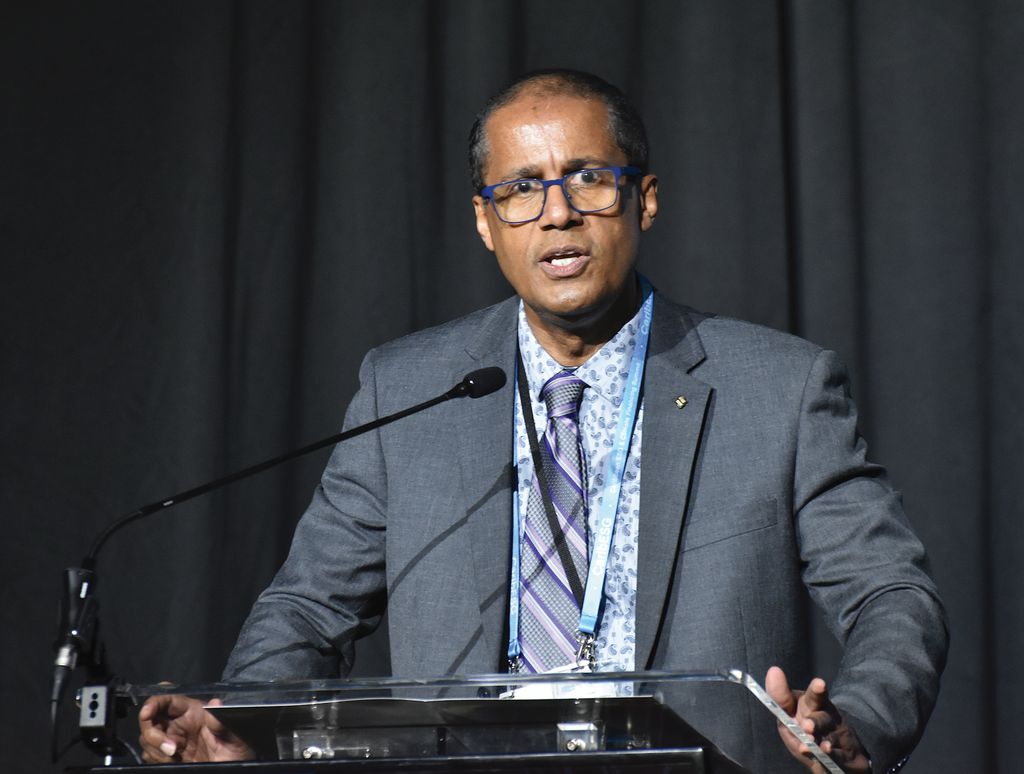
Incoming Caribbean Meteorological Council Chair and Turks and Caicos Islands Minister of Physical Planning and Infrastructure Development, Airports and Ports, Arlington Musgrove, said governments must modernise automatic weather stations, radar coverage, marine and coastal monitoring, and the digital infrastructure required to transmit data rapidly.
He called for shared procurement, maintenance and technical training to help smaller states meet those costs.
“It is no longer enough to tell people what the weather will be. We must tell people what the weather will do,” Musgrove said, citing the need to forecast whether storm surge could close ports, rainfall could flood roads or winds could disrupt airport operations.
The scale of the capacity challenge was highlighted by Turks and Caicos Islands Director of Meteorology Dr Holly Hamilton, who said her team continued to provide observations, forecasts, equipment maintenance and data services despite resource constraints.
“Our only limit is the resources we have at our disposal,” Hamilton said.
The consequences extend beyond weather agencies. Caribbean airports, ports, tourism, agriculture, fisheries, water systems and disaster-management operations depend on reliable meteorological information, while governments must determine when to activate shelters, close facilities and prepare emergency responses.
The Council is expected to consider its 2027 budget, regional forecasting and weather radar arrangements, stronger national and regional early-warning capabilities, and the sustainability of meteorological services.
Musgrove said climate finance and development partnerships would be required to treat those services as critical national infrastructure.
The meeting also marks 75 years since the establishment of the British Caribbean Meteorological Service, from which the Caribbean Meteorological Organisation developed. It is the first Council session attended by a sitting WMO president.
“No single country can do this alone,” Musgrove said.