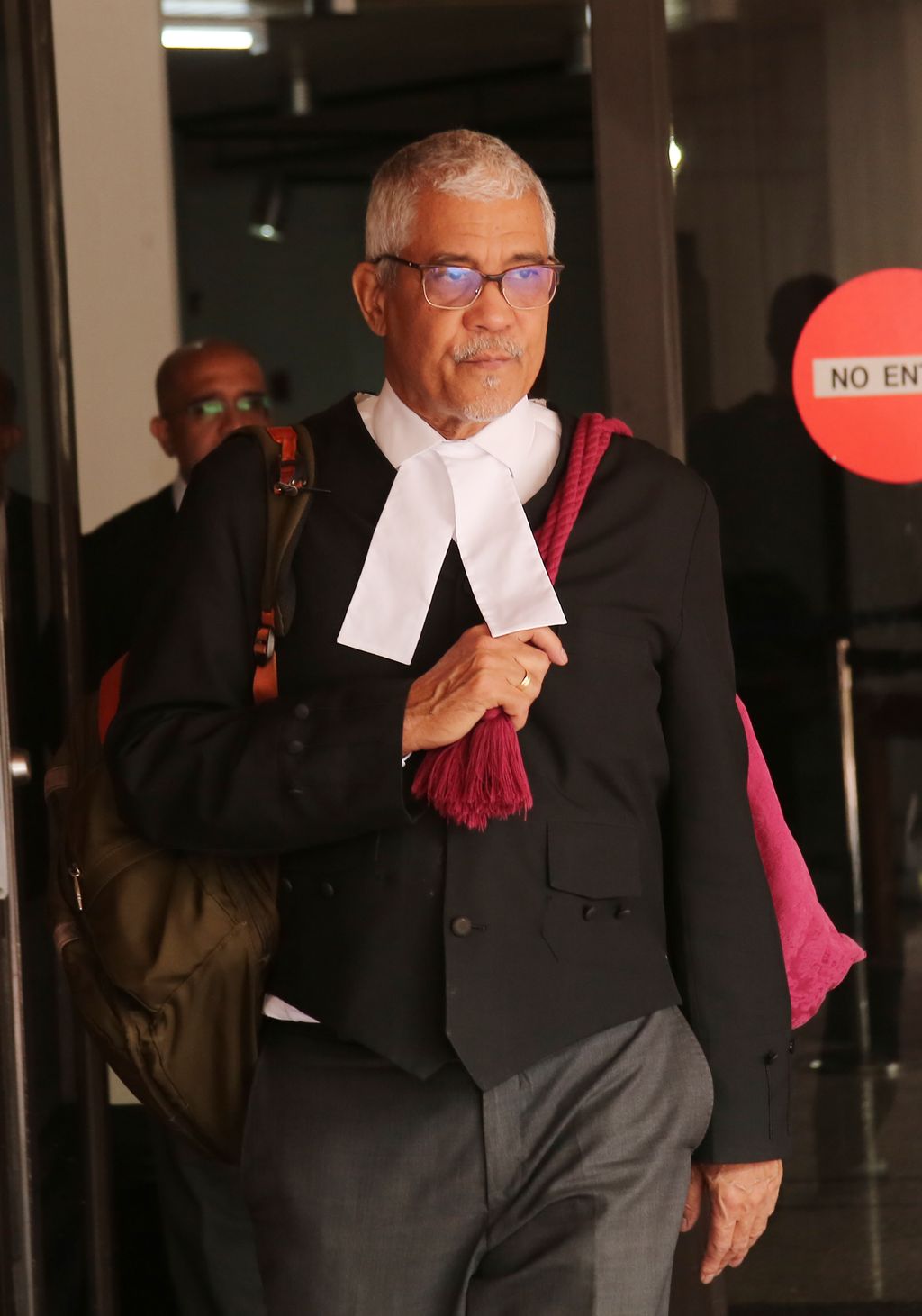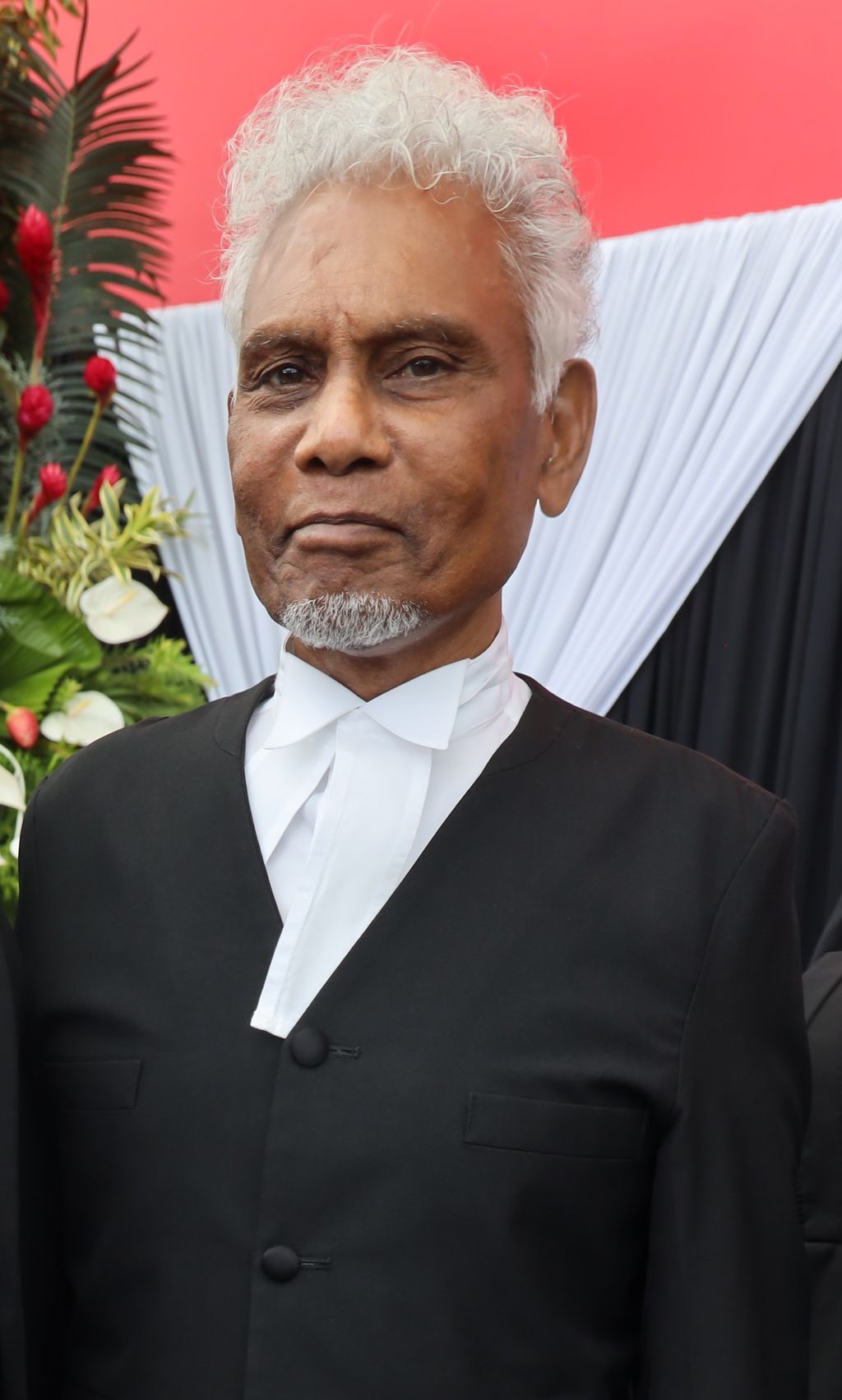

The Law Association of Trinidad and Tobago (LATT) has expressed concern over personal attacks against Court of Appeal judges, following their ruling in the Hadeed case. It says while robust public debate of judicial decisions is legitimate in a democracy, criticism must remain respectful and not descend into unfounded allegations that impugn the integrity or independence of the Judiciary.
In a statement yesterday, LATT explained that the Court of Appeal’s ruling dealt with an interlocutory application and did not necessarily determine the ultimate legality of the detention or constitutionality of the Emergency Powers regime. Those substantive questions, LATT said, remain before the courts.
“The very fact that these issues are presently before the courts demonstrates that the constitutional safeguards established by the Constitution remain operational during a State of Emergency. Questions concerning the legality of detention and the scope of emergency powers are matters which our courts are constitutionally entrusted to determine,” LATT said.
Businessman Dominic Hadeed and his wife Genevieve have been detained under Preventive Detention Orders for nearly a month, after being accused of plotting to assassinate senior government officials. After losing their challenge against their detention in the High Court, the Court of Appeal last Thursday (July 16) ordered their conditional release under house arrest, but a separate panel later granted the State an urgent stay, keeping them in custody until the Privy Council hears that appeal.
LATT emphasised that while disappointment with court decisions is natural, criticism should be informed and respectful.
“Members of the public are encouraged to engage with the outcome of judicial decisions; however, commentary which attacks the integrity of the court, or which is made without regard to the legal and evidential basis for a decision, risks undermining public confidence in the administration of justice.”
The association reaffirmed its confidence in the independence and impartiality of the Judiciary and the judicial process established by the Constitution. It noted that the written reasons for the ruling have not yet been given but will eventually explain the legal principles applied and assist practitioners, litigants and members of the public in understanding the basis of the decision.
LATT also urged its members to advise clients to exercise their right to comment respectfully and refrain from attacking the integrity of the court, or making statements that undermine public confidence in the administration of justice.
Echoing similar sentiments yesterday, Assembly of Southern Lawyers president Saira Lakhan said allegations seeking to undermine the integrity, impartiality, or independence of judges without any evidential basis risk weakening public confidence in the Judiciary.
“Recent commentary across social media has reflected strong public dissatisfaction with aspects of the proceedings and the handling of the litigation. While members of the public are entitled to question procedural decisions and to debate their constitutional implications, public confidence in the administration of justice is not strengthened by personal attacks or allegations of impropriety that are unsupported by evidence,” Lakhan said.
Joining LATT in urging that public discussion remain respectful, informed and focused on the legal issues rather than unfounded attacks against judicial officers or the Judiciary, Lakhan said: “Respect for the rule of law requires that disagreements with judicial decisions be expressed responsibly and that confidence in our constitutional institutions be preserved.”
Meanwhile, Criminal Bar Association president Israel Khan SC said freedom of expression and freedom of the press are enshrined rights in the Constitution, but there must be a balancing act.
“When the matter is sub judice, that is still before the courts, citizens must refrain from making public comments that could damage the independence of the Judiciary or cast aspersions on the Judiciary. So, it’s a balance that we have to engage in.”
Khan cautioned that individuals who comment adversely could also find themselves in legal problems.
“So, the people who are commenting adversely and so on, only if they castigate unfairness or impartiality to the court, they could be cited for contempt of court.”
He added, “But, nonetheless, generally, I agree with the Law Association that citizens must be cautious and the press must be cautious and individuals must be cautious.”