
As Artificial Intelligence continues to reshape global education systems, Caribbean policymakers, educators and examination bodies are facing mounting questions over how to integrate AI without undermining academic integrity or the teacher-student learning process.
Across the region, concerns over AI detection tools and plagiarism software have grown, with recent statements from the Caribbean Examinations Council (CXC) and wider regional discussions highlighting the need for a clearer framework for AI use in classrooms.
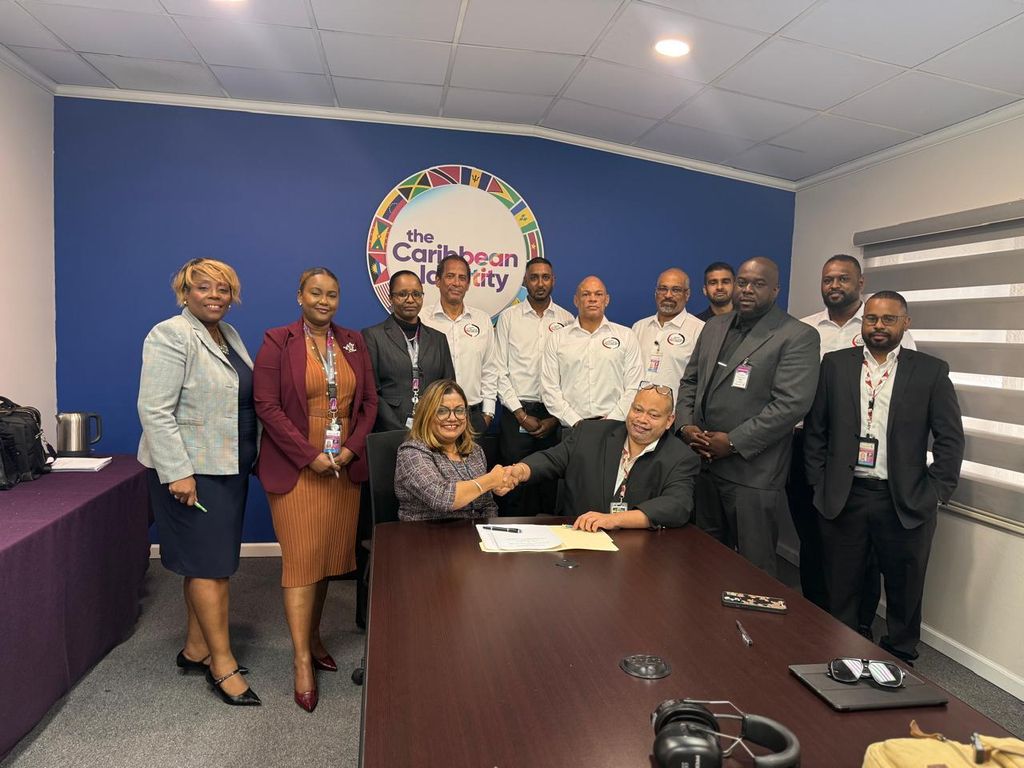
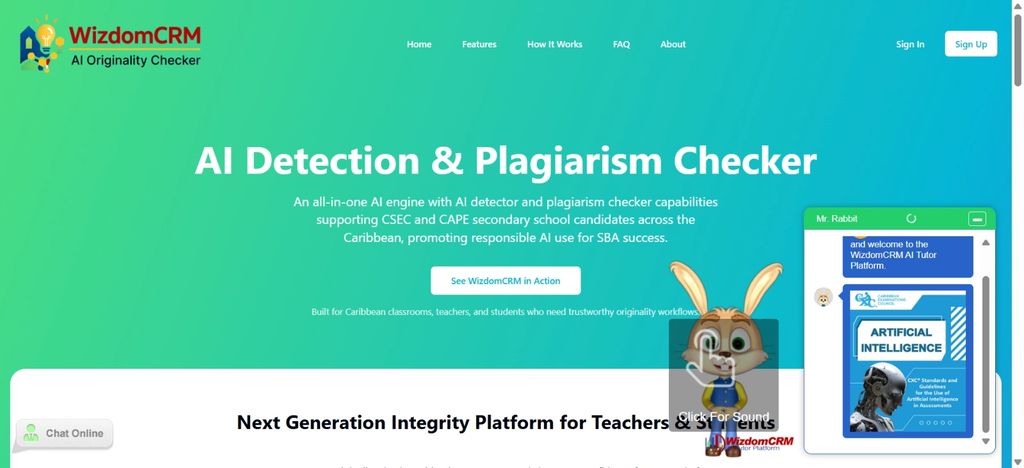
The CARICOM Private Sector Organisation (CPSO) is collaborating with WizdomCRM to advance a structured, supervised AI ecosystem designed specifically for Caribbean classrooms and aligned with CSEC and CAPE realities.
The initiative comes as the region moves to reduce reliance on imported AI detection systems developed outside the Caribbean context, with a focus on building tools tailored to local education systems.
The platform integrates detection and plagiarism-checking tools within a wider educational framework aligned with UNESCO’s AI policy guidance for Latin America and the Caribbean, with emphasis on teacher oversight and ethical use.
WizdomCRM is grounded in international frameworks, including UNESCO guidance, which stresses that AI should support teachers, not replace them, and operate within transparent, supervised environments.
The system is structured around a “teacher-first” model, where educators create and manage virtual classrooms while students join through controlled access links tied to their school and subject environment.
Within the platform, teachers retain oversight of student activity, including AI usage monitoring, originality reports and assessment submissions, mirroring classroom governance in a digital environment.
The structure is designed to reinforce academic integrity while keeping teachers at the centre of the learning process as AI tools become more widespread among students.
WizdomCRM forms part of a broader academic integrity ecosystem aimed at supporting structured learning, accountability and ethical AI use in schools.
It adds that the goal is to ensure Ministries of Education and examination bodies can adopt AI in a way that strengthens oversight, improves learning outcomes and aligns with Caribbean education standards.
The future of education will include artificial intelligence, but success will depend on whether implementation is guided by ethics, structure and regional relevance rather than imported systems built for other markets.