
Senior Investigative Reporter
Shaliza.has[email protected]
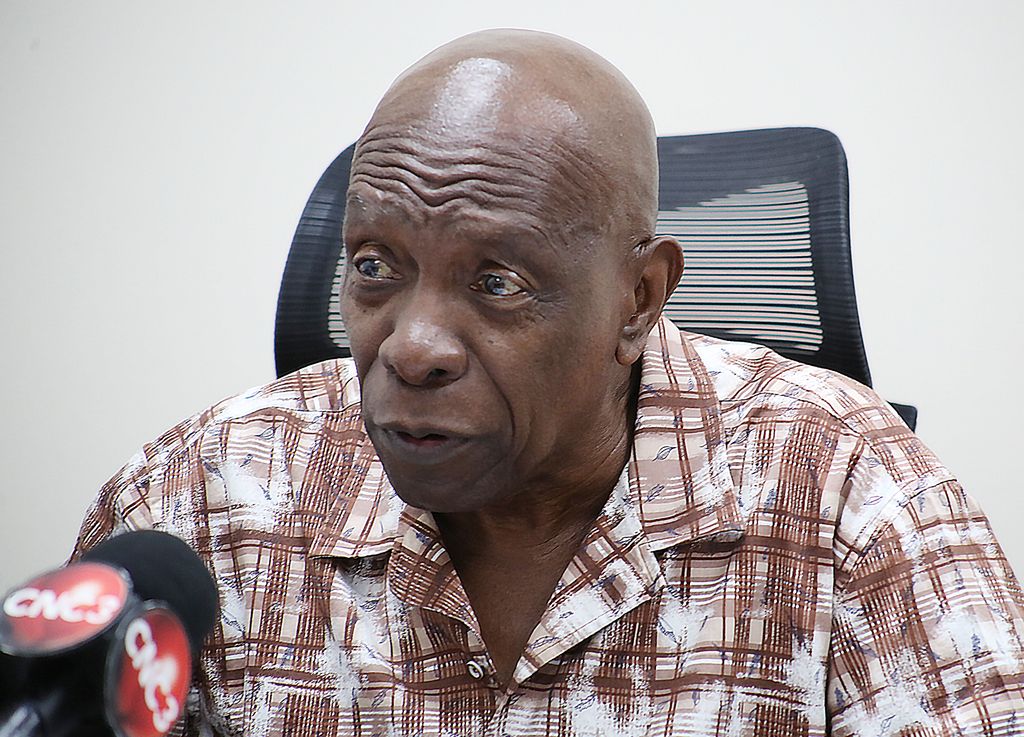
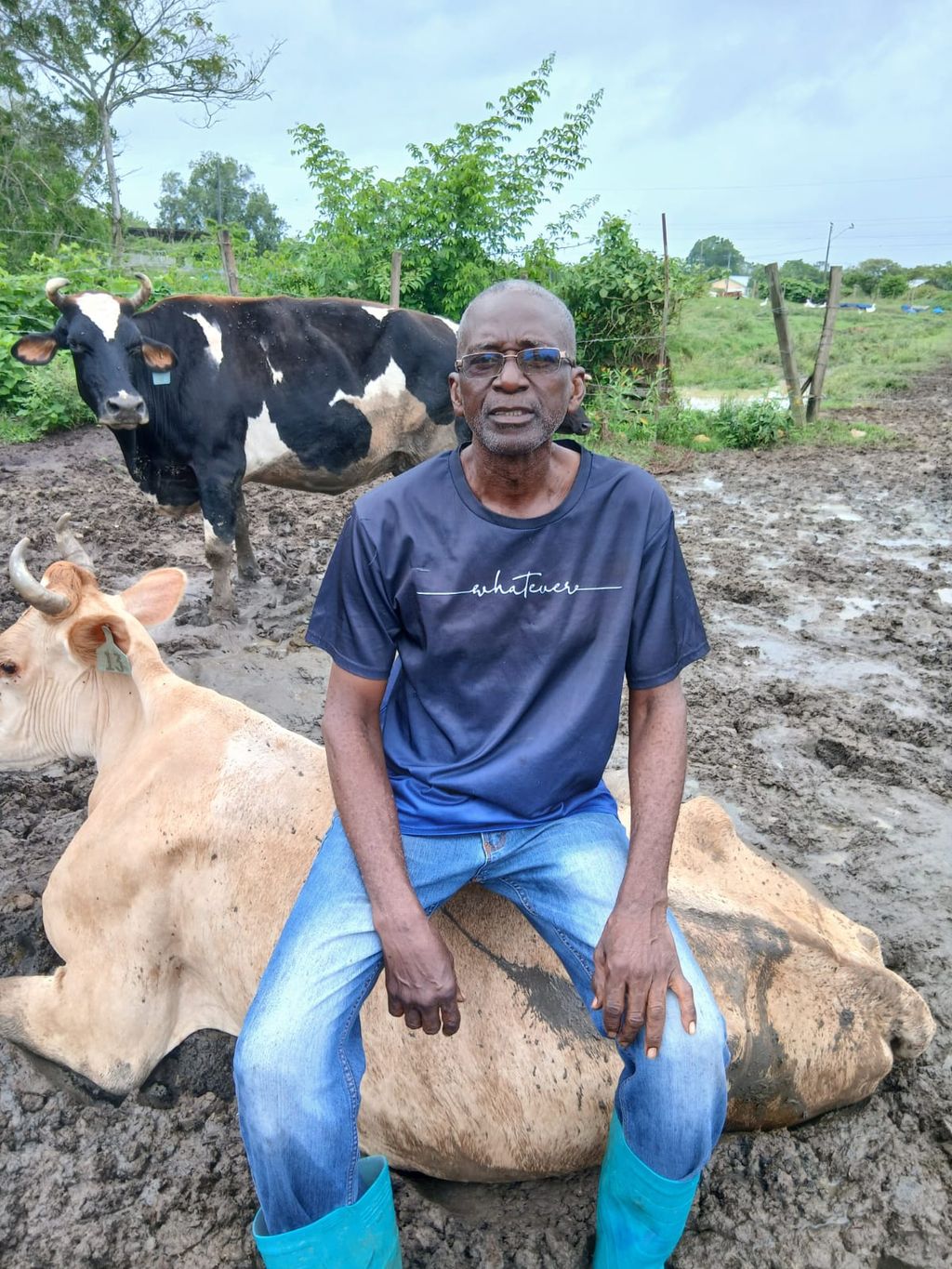
Dairy farmer John Lennard is hoping the Government comes up with a solution to keep them all gainfully employed, after Nestlé announced it had begun a strategic review of its operations in T&T, including exploring the possible sale of its dairy and juices business.
For years, Lennard said Nestlé did not support and encourage the farmers to make the industry viable.
“As far as I am concerned, they can pack up and go from here. We don’t need them. If you can’t do better, pack up and go.
“They have to pack up and go if they cannot take the farmers’ milk. If you want to get somebody else and sell over the company to somebody else, it’s better you give each farmer $1 million… and we go handle we story,” Lennard said, his voice cracking as he spoke to Guardian Media.
Nestlé is a Swiss multinational food and drink processing company with a subsidiary in Valsayn.
The company has been operating in T&T for more than 60 years.
The unexpected announcement of the dairy plant’s sale has been met with mixed reactions among farmers, who have supplied and sold raw milk to Nestlé for decades.
Prime Minister Kamla Persad-Bissessar has directed two ministers to meet with Nestle’s representatives to work on the matter.
With the company going on the market, 200 jobs could be lost.
As a second-generation farmer, Lennard, 70, said the news was disturbing.
“It’s not a nice feeling.”
For over 50 years, Lennard has been a milk supplier to Nestlé. He sells 150 litres a day. His father was also a longtime provider to Nestlé.
Now, his son is also stepping into the family business, continuing that tradition. He estimated his family has invested $5 million in pens, tractors, milking machines and equipment for his farm.
“Is no little bit of cows we have. This is what send us to school.”
But with the impending sale of the plant, Lennard said their future looks bleak.
In 2014, the sector had 150 farmers who sold 3.94 million litres of milk annually.
By 2024, there were only 60 farmers, with Nestlé receiving 1.73 million litres of the milk they produced annually. The farmers are paid $5.36 for a litre of raw cow’s milk.
The Government pays Nestlé a subsidy of $1.50 for each litre.
Lennard said the farmers gave their blood, sweat and tears to the company.
“We worked like slaves in the field,” he said, adding that, at times, he felt they were not treated fairly by Nestlé.
During the pandemic, Lennard said Nestlé bought their milk for $10 per litre and, after a few weeks, reverted to the $5.36. He was one of the farmers who benefited from the price hike.
However, Lennard also admitted there is disunity among the farmers, stating that if they had formed into a cooperative years ago, they might have been in a position to acquire the plant.
“Nobody expected this to happen. Ah shameful for us in this country. We going backwards rather than forward.”
He appealed to the Government not to let a foreign company sink their teeth into the milk processing plant.
“We are hoping the Government comes up with a solution soon,” he said.
Fellow dairy farmer Reshma Kaladeen said many of the farmers held the view that more could have been done to improve the industry.
“The farmers were treated badly. Yes, the farmers will be angry with Nestlé because, as I say, is years of bad treatment…is years of short pay. We weren’t treated nice. But at the end of the day, Nestlé was still purchasing our milk every day. When Nestlé packs up and go, we don’t know who will take over. We are in the dark.”
Kaladeen called on Government to buy the plant to save the industry from collapse.
Expressing similar sentiments was Wallerfield farmer Samuel Ogiste.
“I agree the Government should step in and help the farmers.”
He said his only fear was when a government takes control of a private business “sometimes racket does go on.”
Agricultural analyst and dairy farmer Dr Donny Rogers said Nestlé has signalled its departure from the market at a time when the country has no other UHT (ultra-high temperature) plant for the farmers’ survival.
“In my opinion, it is highly disrespectful and dangerous to the longevity of the sector after they exit,” Rogers said.
Rogers said given the length of time Nestlé has operated its plant in Trinidad, they owe it to the sector and farmers “not to exit the market in a manner that can be detrimental to the continuity of production.”
He said such a decision did not happen overnight.
“I don’t want to speculate. But that plant is significant enough that they can ship it to another country if they want. I am not saying pick up your rig and go. But I am saying because of the scale of production globally, nothing prevents Nestlé from leveraging on that asset by deploying it in a country where the output is much more significant. I am looking at it from an economic sense.”
If this matter is not addressed swiftly, Rogers predicted serious consequences.
“In the absence of a UHT processing plant, it could lead to a serious decline or closure of the industry. There are no two ways about that.”
However, Rogers said he would not support the Government getting into milk processing.
“This can have the farmers on the edge. A government can shut down the plant at any time. I am saying if we want to be sustainable, it should be a private entity to make that investment.”
Rogers said should the plant either be shut down completely or its new buyers move away from dairy-related products, farmers would have to force their animals through “a drying off” process so they would no longer produce milk.
Those animals, he said, will eventually have to be butchered. One cow costs between $10,000 and $15,000, so farmers will incur major losses.
“Such a scenario will absolutely destroy the dairy sector.”
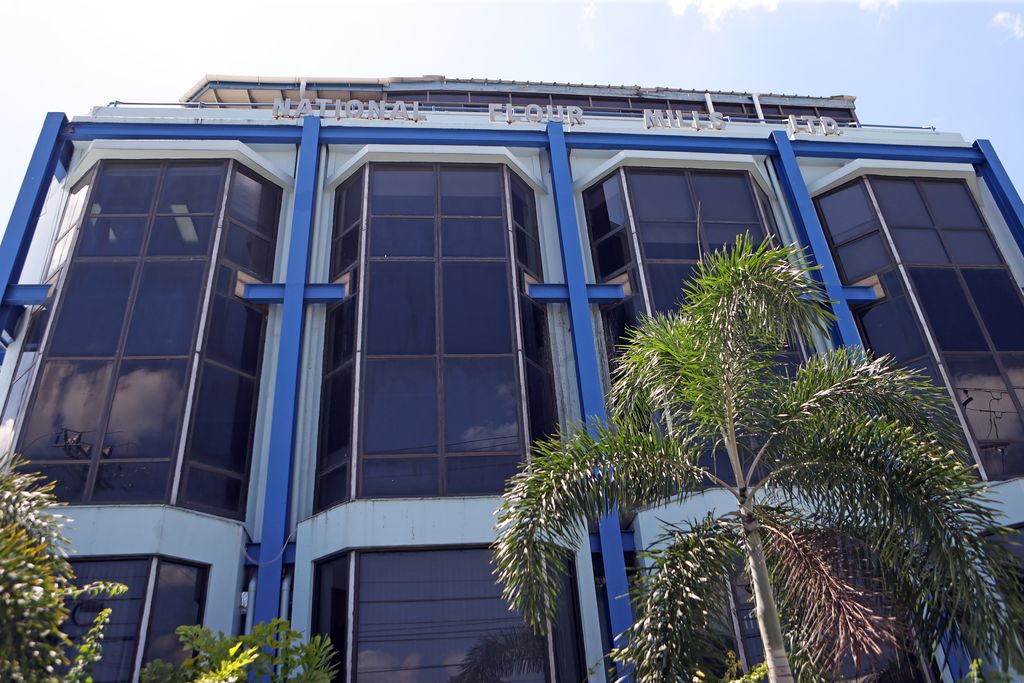
In addition, the 200 labourers on the farms will have to be sent home, while State-owned National Flour Mills (NFM) will lose sales with their dairy feeds.
Rogers said the sale of the plant could disrupt the lives of hundreds.
In the last decade, Rogers said the industry suffered a host of problems that led to a decline in milk production and an increase in production costs.
Apart from rustlers stealing their animals, Rogers said Nestlé withdrew their support, which included free veterinary care, artificial insemination and seeds to maintain their pastures.
The industry also failed to attract new farmers, and committed farmers were not provided with any developmental programmes.
He said the $5.36 farmers receive for a litre of milk was unsustainable.
“It was a price that just allowed the farmers to exist. I think a fair price should have been between $6.00 and $6.50 a litre. So over ten years, in my opinion, it was a systematic destruction of the sector.”
Given the country’s land space, weather conditions and capacity, Rogers said farmers can produce 20 million litres of milk a year over time.
Dean of the Faculty of Food and Agriculture at the University of the West Indies, Prof Mark Wuddivira, said the announcement by Nestlé would have created “panic” and “challenges” for the farmers who sold their milk exclusively to the company to eke out a living.
Wuddivira said when a company has a monopoly on a product, “it makes us very vulnerable. That is the vulnerability that we’re seeing.”
While the situation is seen as a challenge, Wuddivira said it also presents an opportunity for T&T to look inward and create value-added products such as cheese, butter and yoghurts, using fresh milk to strengthen the sector.
“When you sell your primary product, you sit at the bottom of the value chain,” Wudivira pointed out.
He said the Government, private sector and producers must come up with a strategy to redevelop the sector.
“Whatever decision that we are making…it should be the sector that is being empowered to run itself rather than putting politicians to run it.”
Earlier this year, Wuddivira said UWI received a letter from Nestlé informing them that they could no longer accept their cows’ milk from their Field Station in Valsayn, due to some restructuring. The milk they sold to Nestlé was significant, he said.
Upon receiving the letter, Wuddivira said his initial thought was that Nestlé was probably focusing more on the farmers to increase their production. He admitted he was wrong.
At times, Wuddivira said, Nestlé wanted to reduce the price of their milk.
“So, I could imagine if we had those challenges as a university, I could imagine the challenge that a farmer would be having.”
UWI has 80 dairy cows and sells pasteurised milk to supermarkets.
“I was wishing that if UWI had the money to buy the plant…but I know we don’t have the money,” adding UWI has the expertise and land.
“We have what it takes to make it viable.”
The Sunday Guardian was told that on Friday night, an emergency meeting was held with some of the farmers in Wallerfield to discuss their next move. The farmers also plan to hold a media conference early this week.
On Friday, Guardian Media reached out to ask Nestlé T&T’s head of communications Siti Jones-Gordon how soon the company plans to meet with the farmers.
Jones-Gordon said Nestlé has already issued a position statement to the media and could not comment beyond that.
“Everything we are doing is still at an early stage.”
The concerns raised by the farmers were also brought to Jones-Gordon’s attention, who promised to look into the matter.
“I can’t comment on it right now because I don’t have the facts,” Jones-Gordon said.