
Artificial intelligence did not appear to significantly influence voter behaviour or the outcome of Trinidad and Tobago’s 2025 general election, but a researcher is warning that without regulation, AI-generated political content could become a major threat by the next election cycle.
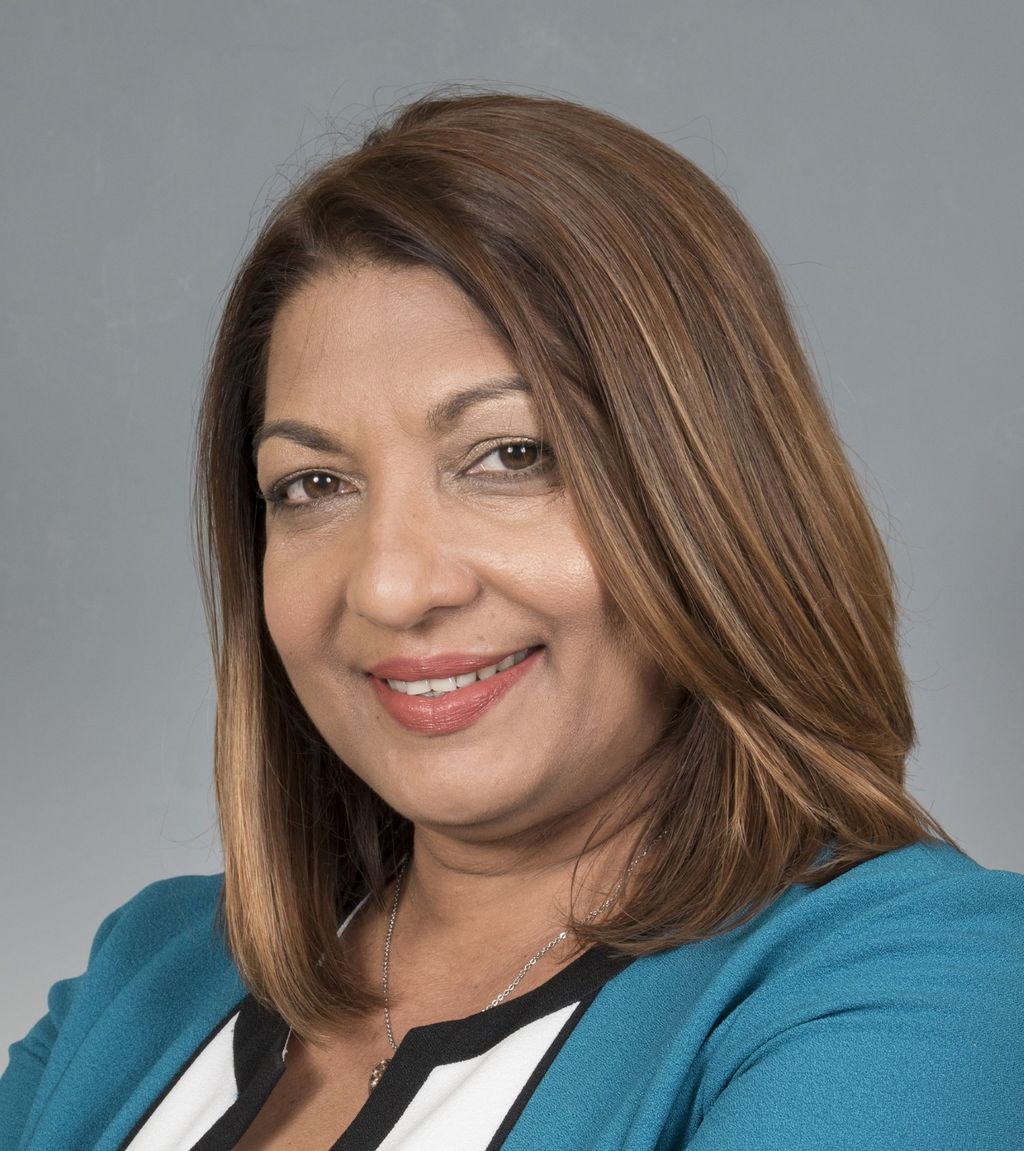
University of the West Indies researcher Dr Indrani Bachan-Persad says while traditional factors such as economic conditions, government performance and party loyalty remained the main drivers of voter decisions, AI is already changing political campaigns.
Her study, The Challenge of Misinformation through AI-generated Memes and Deepfakes on Social Media Platforms During Elections in Trinidad and Tobago, examined AI-generated content used during the 2025 election, including memes, deepfakes, synthetic audio and videos.
She found AI was used strategically in negative campaigning to target political leaders and contentious election issues. However, she said the content was largely dismissed by voters because it was viewed through Trinidad and Tobago’s culture of humour, satire and picong.
Dr Bachan-Persad warned this may change as the technology becomes more advanced.
She said by the next election, it could become much harder for citizens to distinguish between real and fabricated content, creating opportunities for misinformation and manipulation.
The research, presented during UWI’s International Media and Communication Conference, traced the evolution of digital campaigning from 2010 to 2025, showing a shift from data-driven targeting to the widespread use of AI tools capable of producing content quickly and directing messages to specific audiences.
Dr Bachan-Persad said Trinidad and Tobago is particularly vulnerable because of high internet penetration and heavy use of platforms such as Facebook, WhatsApp and TikTok.
She is calling for stronger regulations around AI use in political campaigns, greater digital literacy and more transparency in political advertising and voter data use.
She said AI will likely play a larger role in future elections, assisting with research, content creation and data analysis, but could also fuel more sophisticated misinformation campaigns.
Dr Bachan-Persad said proactive measures are needed now to protect the integrity of future elections.