
Seigonie Mohammed
Climate Change Editor
Imagine heavier downpours flooding communities, hotter days putting families under pressure, and rising seas threatening the beaches and coastlines that help sustain Trinidad and Tobago’s economy.
This is the reality Caribbean nations must prepare for as the world enters what the United Nations calls a new age of climate extremes.
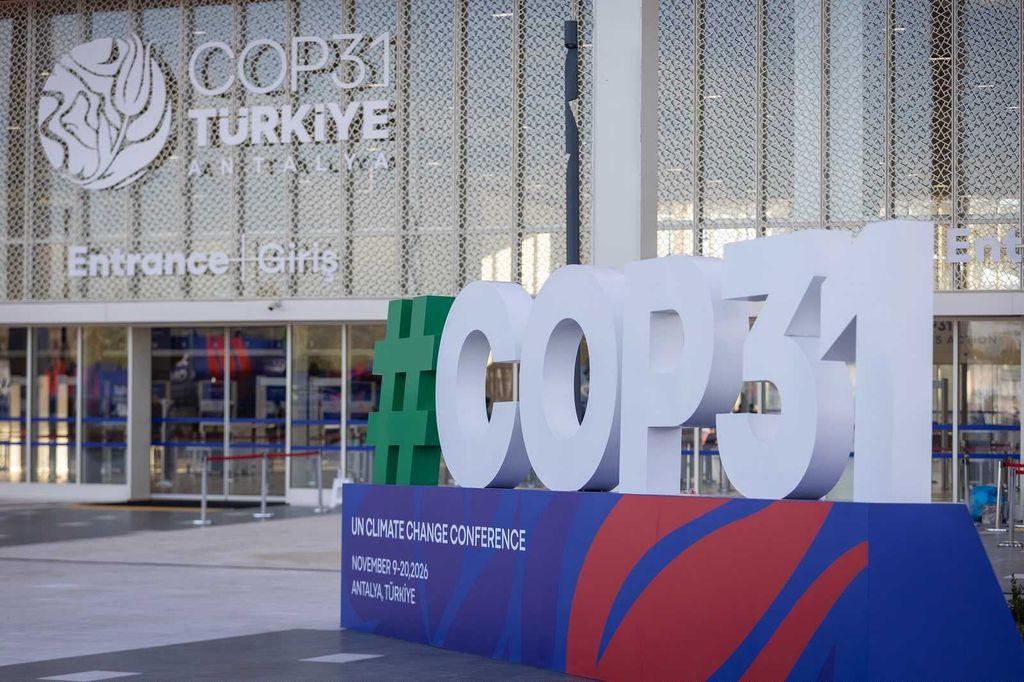
A landmark report released by the World Meteorological Organization (WMO) at the opening of the COP31 climate summit in Antalya, Türkiye, on Monday paints a troubling picture of a planet heating at an extraordinary pace.
According to the State of the Climate Update 2026, this year is on track to be among the four hottest ever recorded.
Between January and September, global temperatures averaged 1.47°C above pre-industrial levels, while the world’s oceans continued absorbing unprecedented amounts of heat.
But scientists warn that the worst may not be over.
A powerful El Niño, expected to rank among the strongest on record, could drive temperatures even higher and intensify extreme weather into 2027.
“We have entered a new age of climate extremes,” warned UN Secretary-General António Guterres.
“Climate records keep falling. The human costs keep rising.”
Why Trinidad and Tobago should care
For a small island developing state like Trinidad and Tobago, these global statistics have serious local implications.
Rising sea levels increase the long-term threat of coastal erosion, saltwater intrusion and flooding in vulnerable communities.
Warmer oceans can place additional stress on marine ecosystems and contribute to more intense tropical storms across the wider region.
Meanwhile, changes in rainfall patterns could mean greater uncertainty for farmers, water supplies and food security.
The report identifies unusually dry conditions in parts of the Caribbean during January to August 2026, although it does not provide a specific assessment for Trinidad and Tobago.
And with El Niño influencing rainfall and temperatures worldwide, the need for local forecasting and preparedness is becoming increasingly urgent.
Oceans are sending a warning
The WMO says global sea levels reached record highs in 2026, while ocean heat is on course for a tenth consecutive annual record.
That matters for Caribbean economies heavily dependent on coastal communities, fisheries and tourism.
Scientists also warn that climate extremes can increase health risks, including heat-related illnesses and conditions favourable to mosquito-borne diseases such as dengue.
Yet there is some encouraging news.
Countries reporting multi-hazard early warning systems increased from 56 in 2015 to 136 in 2025.
For Trinidad and Tobago, stronger forecasting, disaster preparedness and climate-resilient infrastructure could make the difference between disruption and disaster.
As world leaders gather at COP31 to debate emissions cuts, climate financing and adaptation, one question remains:
Will vulnerable countries receive the support they need before the next climate disaster strikes?
For Trinidad and Tobago, that is not simply a diplomatic question.
It is about protecting homes, livelihoods and the future of the next generation.