
Akash Samaroo
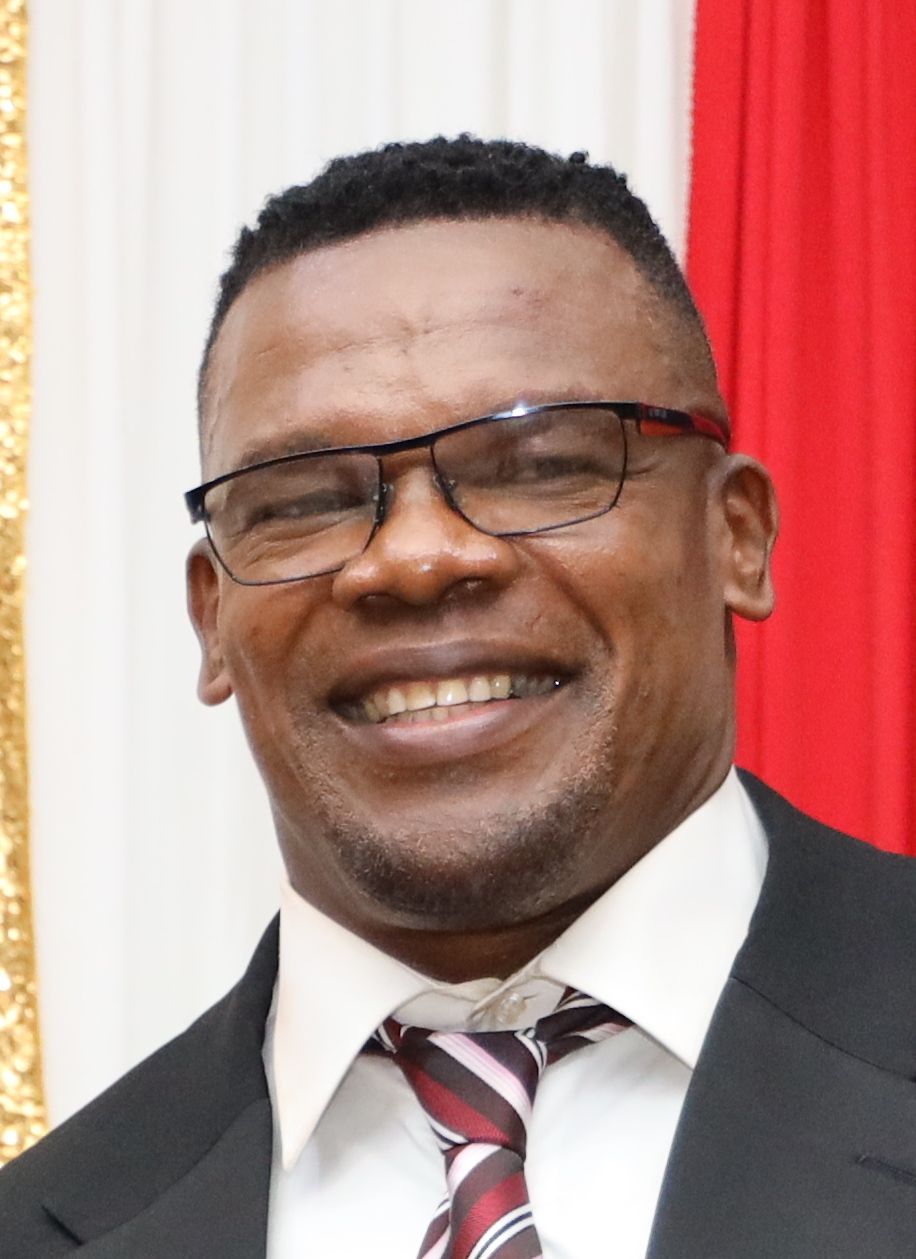
Homeland Security Minister Roger Alexander is backing Prime Minister Kamla Persad-Bissessar’s decision to concentrate special operations in Government-controlled constituencies, saying he wants the measures implemented in his Tunapuna constituency.
Alexander, the MP for Tunapuna, supported the move on Tuesday, a day after Persad-Bissessar announced that special operations under the Government’s new legislation would not be authorised in constituencies controlled by the People’s National Movement (PNM).
“As Member of Parliament for Tunapuna and Minister of Homeland Security, I am pleased by the announcement made by the Honourable Prime Minister Kamla Persad-Bissessar, SC, to authorise special operations in UNC-held constituencies, particularly in Tunapuna,” Alexander said.
He said the safety and security of citizens remained a priority for him and the Government.
“The Prime Minister and I are about saving lives, ensuring that people’s property is protected from gangs and making certain that no gang is allowed to take control of any area in this country,” Alexander said.
“Every citizen must be able to feel safe in their home, their community and in any public space.”
Alexander also criticised the PNM’s position during debate on the legislation, saying the Government was prepared to use the “full strength of lawful law enforcement measures” to keep criminals out of communities.
His comments follow Persad-Bissessar’s announcement that special operations would initially be concentrated in the 26 constituencies held by the United National Congress (UNC) and 70 UNC-controlled local government electoral districts. She also said the initiative would extend to Tobago following consultation with Tobago House of Assembly Chief Secretary Farley Augustine.
“Since the Opposition MPs and supporters do not want Special Operations, I will only allow it in government-controlled areas,” Persad-Bissessar said on Monday.
The announcement followed criticism from PNM MPs during debate on the Special Operations Bill in the House of Representatives. Opposition MPs raised concerns about searches, detention, curfews and the legislation’s implications for constitutional rights. The PNM has not said it opposes policing operations in its constituencies.
The Special Operations Bill, 2026, establishes policing districts across Trinidad and Tobago and provides for special operations by police, with or without military assistance from the Defence Force. It also allows the designation of “closed areas”, where additional law-enforcement powers can be exercised.
The legislation was passed in the House overnight Friday into Saturday last week following a marathon debate but must still go before the Senate next. Unlike the Government’s failed Zones of Special Operations Bill earlier this year, the new legislation requires only a simple majority to pass.
Related News
Young: Special Operations Bill could create a ‘police state’
Mohammed asks PM to pursue return of 97 from Syria
Antigua and Barbuda Govt introduces universal free education from this new academic term