
Two former senior banking executives are defending the integrity of Trinidad and Tobago’s banking sector, warning that allegations suggesting criminal activity is being facilitated through the financial system could damage confidence in one of the country’s most important institutions.
The comments come in the wake of Wednesday’s parliamentary debate on the extension of the State of Emergency (SoE), where Attorney General John Jeremie signalled the Government’s intention to intensify its crackdown on organised crime and white-collar criminal activity.
During his contribution, Jeremie said authorities would pursue individuals who facilitate criminal enterprises regardless of wealth, influence, or social standing.
He also referenced the so-called “one per cent,” a term often used in reference to members of the Syrian-Lebanese business community, stating that those involved in criminal conduct would face the same treatment as gang members.
In defending the AG’s comment the following day, Prime Minister Kamla Persad-Bissessar claimed members of the banking fraternity were assisting elite members of society in funnelling foreign exchange to foreign criminal cartels.
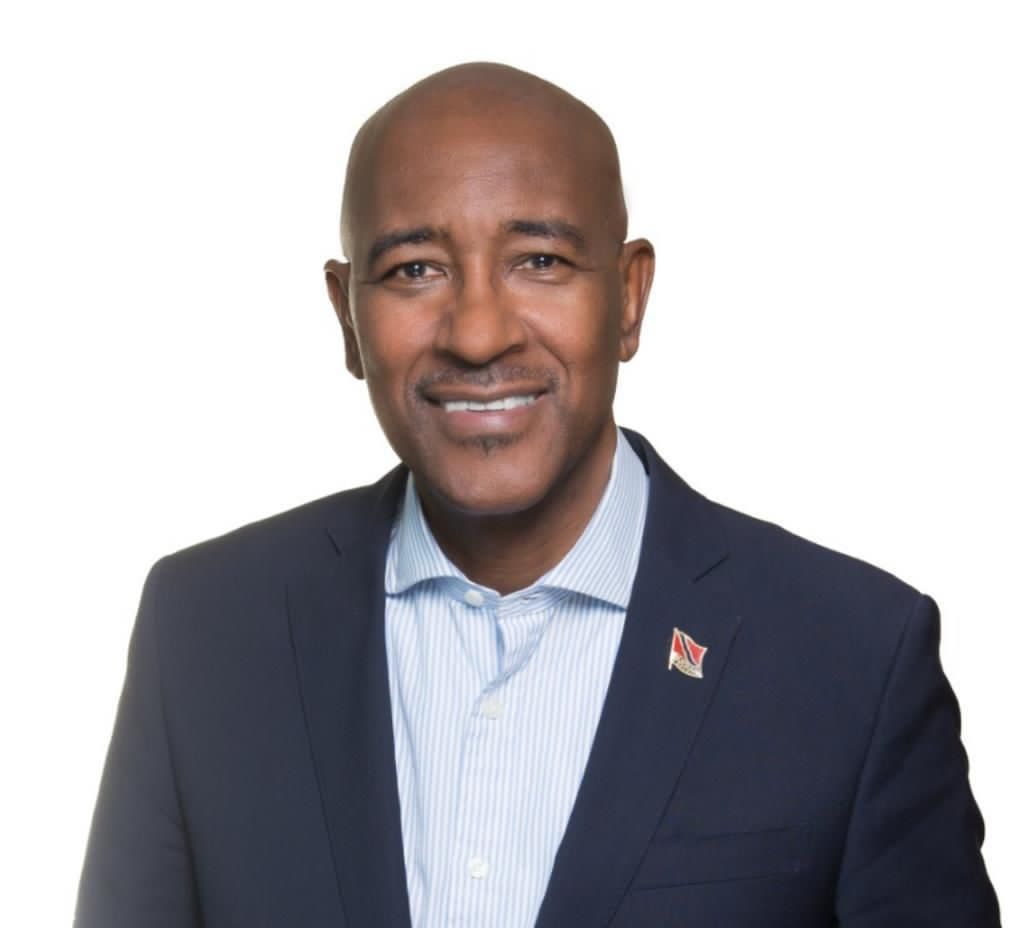
Addressing the claims yesterday, former ANSA Merchant Bank managing director and Republic Bank managing director and CEO Robert Le Hunte said the fight against crime is important, but cautioned against making statements that could undermine confidence in the banking system.
“The banking system is one of the most important institutions in any modern economy. It facilitates the movement of funds, supports commerce, enables investment, and, above all, depends on public confidence,” Le Hunte said.
He noted that concerns about criminal activity and the financing of illegal enterprises should be addressed carefully.
“The Prime Minister is entitled to express concerns about criminal activity and the financing of illegal enterprises. However, statements suggesting that illegal activities are being facilitated through the banking system are serious and should be made with great care,” he said.
Le Hunte pointed to the extensive regulatory framework governing commercial banks in T&T.
“Trinidad and Tobago’s banking sector is among the most heavily regulated sectors of the economy. Commercial banks operate under extensive anti-money laundering regulations, know-your-customer requirements, compliance procedures, and continuous oversight by the Central Bank. Over the years, our regulatory framework has been reviewed favourably by international institutions, including the IMF,” he said.
Drawing on his experience as a banking executive, Le Hunte said the system contains multiple layers of safeguards designed to detect and prevent suspicious activity.
“Having served as an executive in two major commercial banks, I have firsthand knowledge of the extensive controls and safeguards that exist within the system. While no financial system is immune from criminal attempts at abuse, it would be unfortunate if statements made at the highest levels of Government create the impression that the banking sector is facilitating widespread illegal activity without evidence being presented.”
He warned that such claims could have implications beyond the domestic banking sector.
“Confidence in the financial system is critical, not only for domestic business activity but also for maintaining correspondent banking relationships, which are essential for international trade and financial transactions,” he said.
“Across the Caribbean, we have seen the challenges that arise when correspondent banking relationships come under pressure. T&T has worked hard to maintain strong relationships, and confidence in the integrity of our financial system remains a critical national asset.”
He added that if evidence exists, it should be placed before the relevant authorities.
“If the Prime Minister possesses credible information that illegal activities are being conducted through the banking system, then the appropriate response is to ensure that the relevant regulatory and law enforcement authorities investigate and take action.”
Le Hunte also stressed the importance of balancing crime-fighting efforts with protecting confidence in national institutions.
“However, in the absence of such evidence, public statements that cast doubt on the integrity of the banking system risk undermining confidence in one of the country’s most important economic institutions.
“The fight against crime is essential. Equally essential is the protection of confidence in the institutions that underpin economic stability, investment, and growth. As leaders, we must ensure that in addressing one challenge, we do not inadvertently create another.”
Former ScotiabankTT managing director Richard Young also defended the banking sector’s procedures surrounding foreign exchange transactions.
“As far as I am aware, any currency transfers, foreign currency transfers, would have been done under proper and correct documentation, and the banks would have been satisfied with the bona fides of those transactions,” Young outlined.