Fentanyl warning issued as US intensifies crackdown on smugglers and traffickers
 22 May 2026

Radhica De Silva
SAN DIEGO - Caribbean citizens are being warned about the growing threat posed by fentanyl, as United States authorities increase efforts to dismantle human smuggling and transnational criminal networks operating along the southern border.
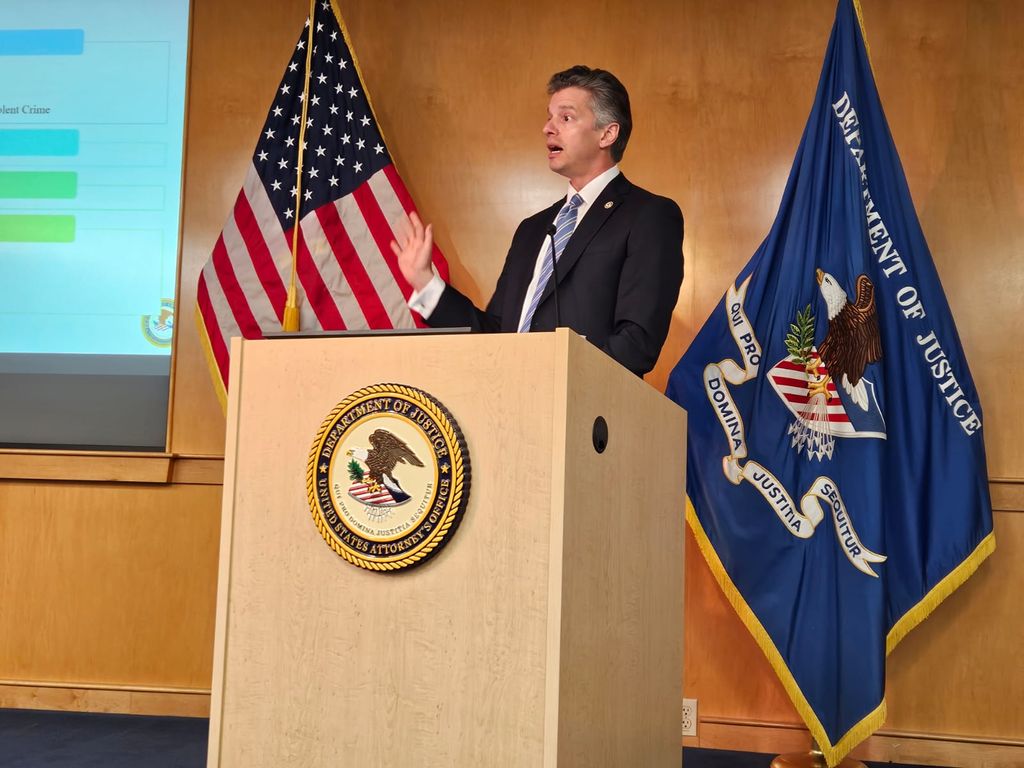
Speaking during a briefing with 13 international journalists in San Diego on Thursday, Adam Gordon said fentanyl remains one of the most dangerous drugs confronting communities because many people consume it unknowingly through counterfeit pills or contaminated drugs.
He said recreational drug users and young people are particularly vulnerable because they often have no tolerance to the powerful synthetic opioid.
"That's when we lose kids. That's when we lose recreational drug users because they have no tolerance for this extremely powerful drug," Gordon said.
The warning carries significance for Caribbean nations, including Trinidad and Tobago, which authorities have previously identified as a transit point for migrants travelling north through Latin America into the United States. US officials have repeatedly warned that migrant routes can overlap with transnational criminal networks involved in narcotics and human smuggling.
Gordon said the Justice Department increasingly views these threats as global and requiring stronger cooperation among countries.
"These international criminals need an international response," he said. "Without that international response, there will be no deterrence, there will be no justice."
He said the Southern District of California, which handles prosecutions connected to one of the busiest border regions in the United States, has recorded significant successes through joint operations involving federal agencies and international partners.
According to Gordon, around 75 per cent of the office's cases originate from arrests by US Border Patrol involving people attempting to enter the country through unofficial routes, including coastal areas and remote terrain. After arrests, investigators often analyse phones, develop evidence and build cases targeting wider criminal organisations.
He said investigations led by the investigative arm of the Department of Homeland Security account for between 15 and 20 per cent of the office's workload and often focus on larger criminal enterprises rather than individual crossings.
Those investigations, he said, have helped authorities pursue human smugglers and traffickers operating through organised criminal structures while also targeting cartels involved in financing and facilitating illegal movement.
The district has also built a reputation for prosecuting major cartel-related cases. Gordon said investigations originating in San Diego frequently extend beyond the border into Mexico and other parts of Latin America.
He pointed to cocaine trafficking networks linked to Colombian dissident groups, saying narcotics profits continue to finance larger criminal organisations.
"As we've deprived the cartels of much of their smuggling income, which is billions and billions of dollars, they've continued to turn to cocaine, which is highly profitable," he said.
Gordon said cooperation with authorities in Colombia, Ecuador, and Mexico has helped disrupt supply chains and strengthen prosecutions.
Although attempted illegal crossings have reportedly fallen in recent months, he said the reduction has allowed prosecutors to pursue a greater proportion of offenders.
"If people don't feel like they're going to be prosecuted, that deterrent effect just doesn't exist," Gordon said.
He said a combination of physical border security, intelligence-led investigations, and coordinated prosecutions remains central to disrupting human trafficking operations and preventing organised criminal groups from expanding.
Asked about the Venezuelan gang Tren de Aragua, Gordon said it does not have a large presence in California, although it operates in other parts of the United States.
Radhica De Silva is on assignment as part of the United States Foreign Press Centers’ Securing Our Borders reporting tour.