Dominica confirms accepting Colombians under migration programme with United States
 09 September 2026
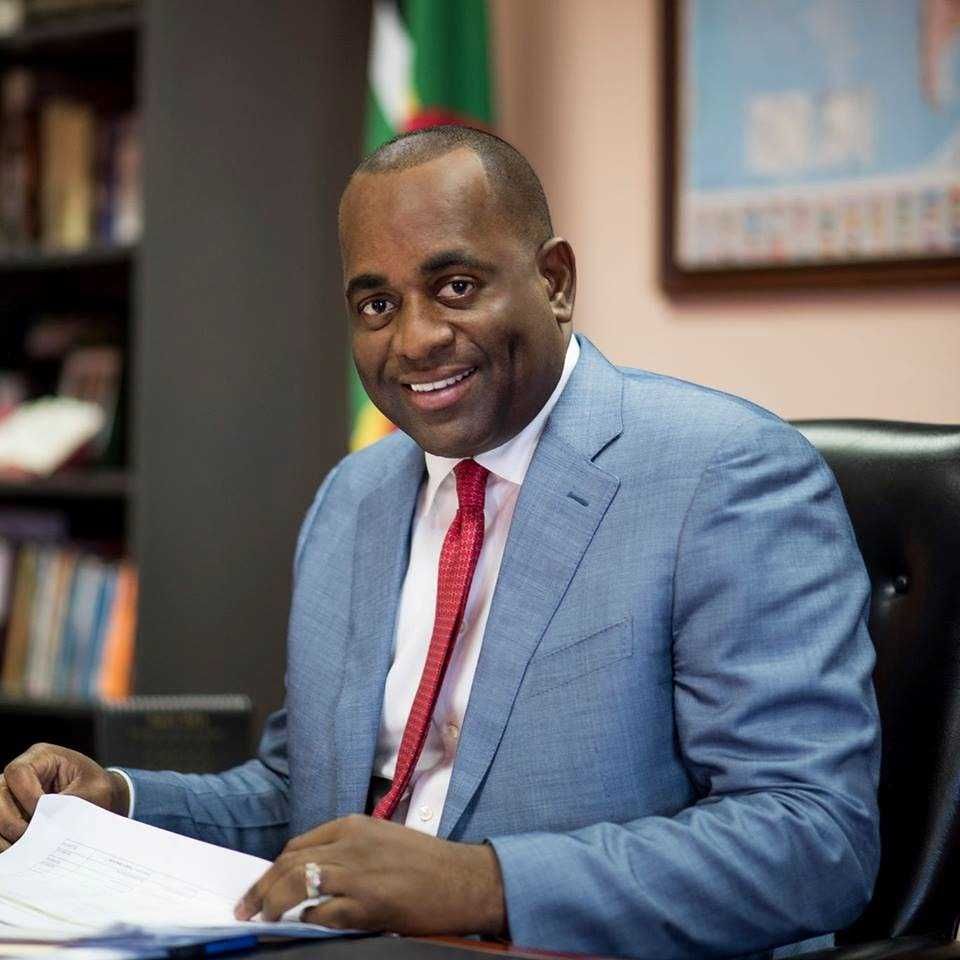

The Dominica government confirmed on Wednesday that five Colombian nationals deported by the United States under the third country nationals programme have since returned to their country.
Prime Minister Roosevelt Skerrit told a news conference that Roseau had concluded all arrangements with Washington regarding the programme and that “the United States sent us a first list of people, and we did not accept those names, and they subsequently sent us a second list of people to choose from.
“Normally they give you a list to choose from and we selected five people. They’re all five Colombians and they came into Dominica, and they’ve all left and returned to Colombia. So, there were five Colombians who came in and in a quick time they left Dominica and they went to Colombia. It was very fast,” Skerrit told reporters.
He said currently, Dominica has no third country nationals under the programme and that Roseau has engaged the International Organization for Migration (IOM) to manage the behalf on behalf of Dominica.
“The United States government gave a sum of funds to provide for those individuals. They were placed at a hotel, and they were fed and they were taken care of. They went shopping at the shops in Dominica.
“They went to the barber shop and got haircuts and so on and they all decided to go to return to the home country of Colombia. Once they arrived, we made that offer to them of whether they intend to go back to their country and they all indicated that they were willing to go back to their country.”
Skerrit said that under the migration agreement, “the United States has been pragmatic on this.
“They sent us the first list and we felt that one, there are some people we would not accept and secondly, we wanted more information on those persons. At the time they could not provide to us additional information and they sent us a second list and all the other lists with the information that we needed, and they all went away.
“None of the five people though, I believe there was one minor, but none of the five people had any criminal records. I guess we’re just people trying to make a better living in the United States and they found themselves in difficulties and had to be sent out”.
But Skerrit insisted that none of the migrants “had any criminal records or something. They never gave any issues.”
Skerrit said that he believes Dominica has a “duty to humanity and there are so many Dominicans who live in people’s countries, so we see it beyond just a food country national issue and a bilateral arrangement between ourselves and the United States.
“We have a higher philosophical view on humanity and the right for everybody to survive and to be regarded.” Skerrit said, adding that under the agreement with the United States “we have agreed every quarter to accept five or seven, between five and seven, either five or seven, but not more than that, every quarter.
“So we receive the first five, and I’m sure that if the need arises from the United States standpoint, they will make another request to us, and we will examine that request based on the agreement that we have with the United States, and the conditions under which those persons will be accepted into Dominica, and both sides have been respectful to each other on that, I must say, I’m going to make that point publicly,” Skerrit added. —ROSEAU, Dominica (CMC)