Local News

Congo’s Ebola outbreak shows no signs of slowing as deaths top 3,000

02 September 2026
This content originally appeared on Trinidad Guardian.
Promote your business with NAN

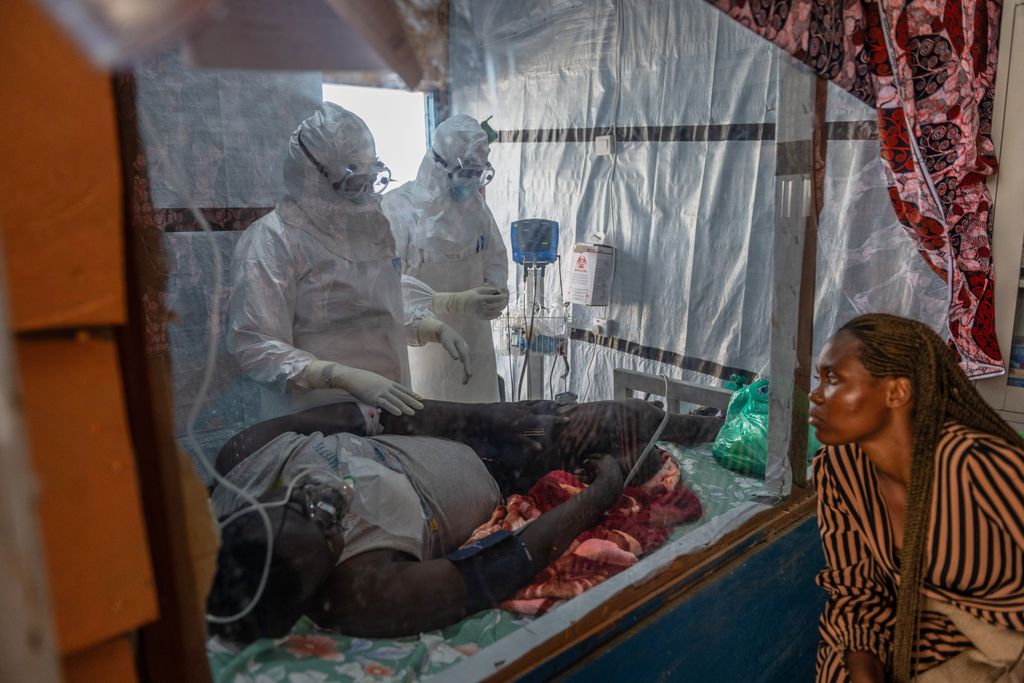
Con­go’s Ebo­la out­break has killed more than 3,000 peo­ple out of more than 6,100 con­firmed cas­es, ac­cord­ing to the lat­est gov­ern­ment da­ta from Wednes­day, as the dis­ease is spread­ing at an un­prece­dent­ed speed, faster than ef­forts to track and slow it.

Da­ta from Con­go’s Min­istry of Health showed the out­break has record­ed 6,186 con­firmed cas­es, in­clud­ing 3,007 deaths since it was de­clared a glob­al health emer­gency in mid-May. It re­mains the fastest-grow­ing out­break of Ebo­la ever.

Jean-Claude Angwanzia, a res­i­dent of Bunia, said that he left Mam­basa in the epi­cen­tre of Ituri province, be­cause he didn’t feel safe. He said that he hard­ly saw health work­ers and in­fect­ed bod­ies were be­ing mis­han­dled, prompt­ing safe­ty con­cerns.

“I had to flee the area be­cause of the dan­ger loom­ing over us,” he said.

The pace of the out­break is putting a strain on peo­ple’s lives.

Pa­py Bara­ka, a pub­lic trans­porta­tion dri­ver in Bunia, has had to cut down on the num­ber of pas­sen­gers he picks up in his car.

“The dis­ease puts every­one at risk, and dai­ly life has slowed to a crawl. We are afraid,” he said.

Re­cent weeks have wit­nessed a surge in cas­es, with two new health zones af­fect­ed last week in North Kivu, where the fa­tal­i­ty rate is much high­er than in the rest of the af­fect­ed provinces. The virus has spread to six provinces.

The U.S. Cen­ters for Dis­ease Con­trol said Tues­day in a re­port that the ef­forts to con­tain the virus “re­mained be­low es­tab­lished re­sponse tar­gets” and the fast ex­pan­sion of the dis­ease across many health zones in­di­cates “un­con­trolled ex­pan­sion of the out­break.”

The re­port said that the sta­tis­tics show that most of the cas­es are “oc­cur­ring out­side known trans­mis­sion chains” as a re­sult of the per­cent­age of con­firmed new cas­es com­ing from on­ly be­tween 15% and 20% of known con­tacts.

Health work­ers are strug­gling un­der dif­fi­cult con­di­tions and have gone on strike mul­ti­ple times to de­mand their pay.

The dis­ease has con­tin­ued to spread rapid­ly for sev­er­al rea­sons, in­clud­ing con­flict in the east­ern re­gion of the coun­try where the out­break is con­cen­trat­ed, at­tacks on health work­ers, min­ers con­stant­ly on the move, and in­ad­e­quate health in­fra­struc­ture.

The re­sump­tion of school in the mid­dle of the out­break has al­so raised con­cerns about trans­mis­sion in class­rooms.

The World Health Or­ga­ni­za­tion said that the out­break is on track to ex­ceed the dead­liest on record, West Africa’s re­gion­al out­break be­tween 2014 and 2016, which killed 11,000 peo­ple.

The Africa Cen­ters for Dis­ease Con­trol and Pre­ven­tion said that the out­break is pos­si­bly three times larg­er than the num­ber of cas­es record­ed, as sur­veil­lance and con­tact trac­ing are still weak. De­spite that, the out­break has al­ready be­come Con­go’s dead­liest Ebo­la out­break.

There is no vac­cine or ap­proved treat­ment for the rare Bundibu­gyo virus that has sparked the cur­rent out­break. A cou­ple of vac­cines are be­ing de­vel­oped to tack­le the dis­ease.

Last week, the gov­ern­ment start­ed the dis­tri­b­u­tion of the Erve­bo vac­cine to front-line health work­ers in Kisan­gani in the north­east­ern Tshopo re­gion. Erve­bo has helped com­bat pre­vi­ous Ebo­la dis­ease out­breaks, and WHO said that it could of­fer some pro­tec­tion. —BUNIA, Con­go (AP)

_______

Sto­ry by CON­STANT SAME BAGAL­WA | As­so­ci­at­ed Press