Aid workers warn of infectious diseases, overwhelmed hospitals after Venezuela quakes
 30 June 2026
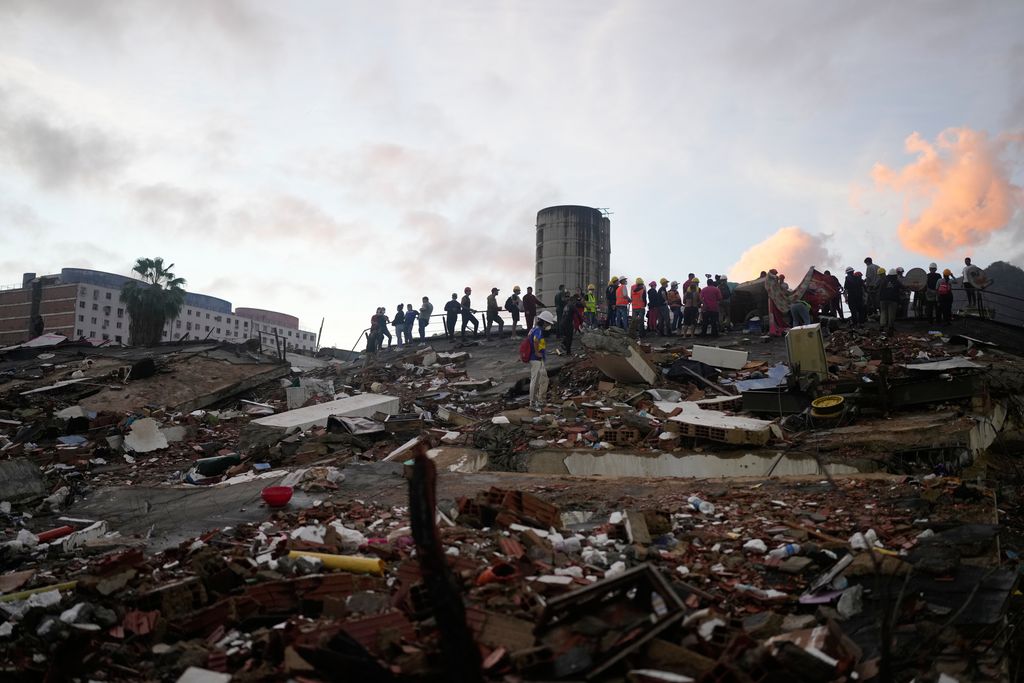

Aid groups warned Tuesday that Venezuela’s fragile healthcare system is being pushed to its limits nearly a week after two powerful earthquakes, with damaged and understaffed hospitals overwhelmed by the injured and deteriorating conditions in the disaster zone causing infectious diseases to spread.
The scores of international and domestic teams across Venezuela remain focused on the search for survivors, with the government death toll surpassing 1,700 and new bodies still being hauled out from the rubble.
But a humanitarian crisis is already unfolding among the living. United Nations agencies expressed concern about the health effects of thousands of displaced people sleeping for days in the open or in crowded, unsanitary shelters.
Venezuelan officials say that more than 15,800 people have been affected by the earthquakes — a figure that reflects the official number of displaced people, U.N. refugee agency spokesperson Carlotta Wolf said on Tuesday. Suddenly homeless Venezuelans are sleeping in cars, parks and elsewhere without adequate emergency shelter available.
Wolf said that number would continue to rise. Many of those displaced in the hardest-hit state of La Guaira are suffering from widespread food shortages, she said.
At a media briefing in Geneva on Tuesday, World Health Organization spokesperson Christian Lindmeier warned that displaced Venezuelans without access to toilets, showers, soap or much nourishing food have become increasingly vulnerable to the outbreak of preventable diseases like measles, given the population’s low vaccination rates. Conditions are ripe for waterborne infections like dengue, yellow fever and malaria to spread.
The Venezuelan healthcare system, strained by decades of underinvestment and years of economic crisis is “under extreme pressure now, with facilities operating beyond the capacity of the surge of the trauma cases,” Lindmeier said.
According to the government, last week’s earthquakes damaged or otherwise compromised 38 hospitals nationwide. WHO said it so far has evaluated 21 of those facilities, three of which are no longer operating. Another six have sustained damage and the rest are now buckling under the influx of injuries.
Many specialist doctors are missing in the ruins, including officials in charge of maternity care in La Guaira, WHO said, compounding the challenges to health care in a country that 8 million people, including many doctors and nurses, have fled in recent years.
“Findings reveal chaotic service delivery and patient flow, marked by overcrowding, growing surgical backlogs ... and a breakdown in biosafety measures,” Lindmeier said. He added that “the collapse of forensic and morgue services and inadequate casualty registration” has made it difficult to gauge the scope of the disaster.
Venezuela’s government, which has long retained control over access to information, offers daily casualty updates. Jorge Rodríguez, the president of the National Assembly, announced Monday that the official toll stood at 1,719 people killed and 5,000 injured, and warned the public against sharing information that contradicted authorities.
Experts say the official toll is likely a significant undercount, as many more people remain missing and hopes for finding survivors diminish with each passing day.
NASA estimates that nearly 59,000 buildings have been damaged or destroyed by the earthquakes, which would put the number of people affected by the quakes in the hundreds of thousands. The U.N. children’s agency, UNICEF, on Tuesday said 680,000 children are in need of humanitarian assistance nationwide.
Authorities have not offered an official count of missing people, leading many Venezuelans to turn to nongovernmental digital databases to report their loved ones as missing. One such registry listed at least 43,220 people as missing. —LA GUAIRA, Venezuela (AP)
_________
Story by JUAN PABLO ARRÁEZ and ISABEL DEBRE | Associated Press
Isabel DeBre reported from Buenos Aires, Argentina.