
Training for the rollout of the Special Operations Act will involve both local and foreign facilitators as the Trinidad and Tobago Police Service (TTPS) prepares officers to enforce the law.
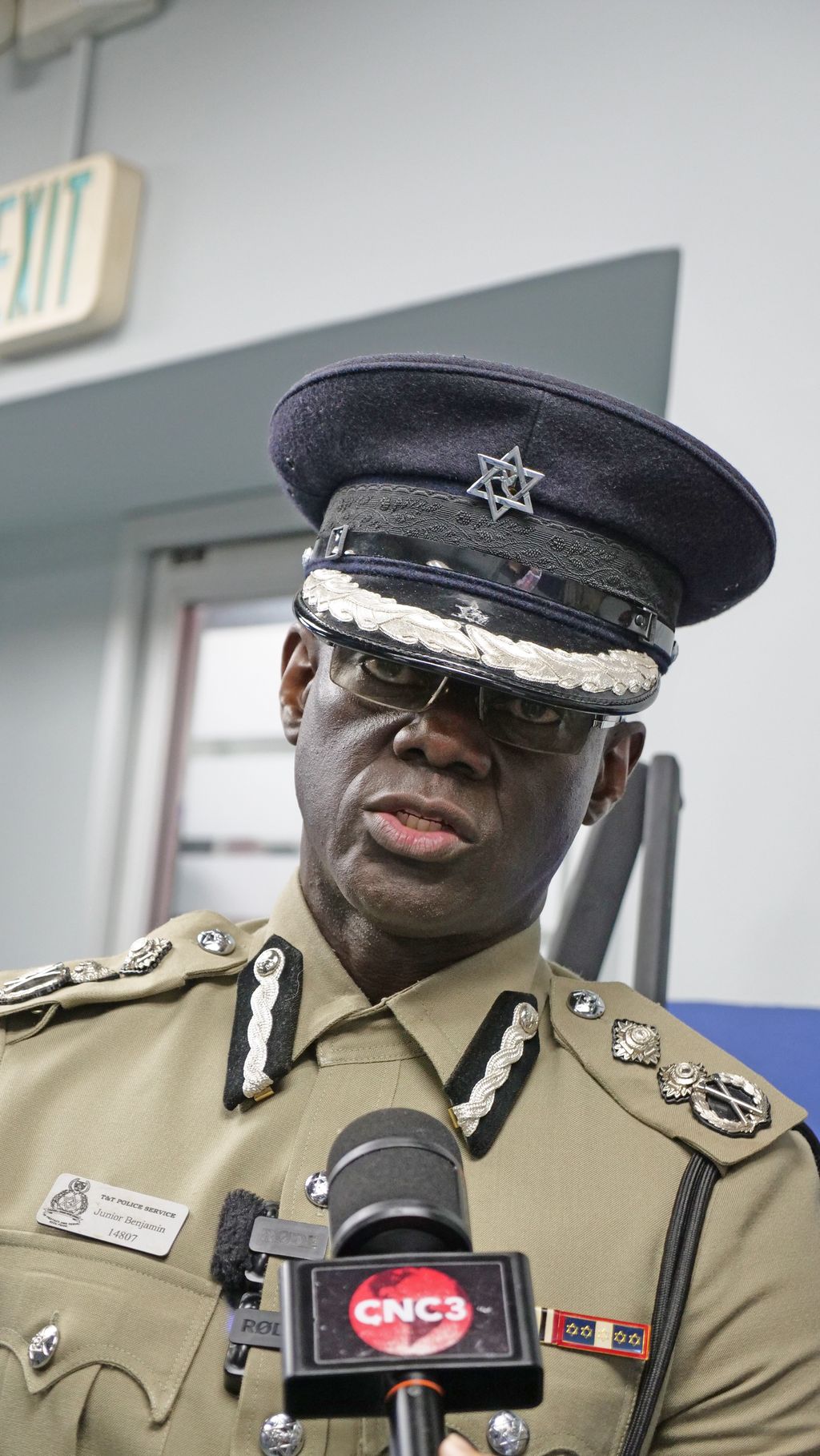
DCP Administration Junior Benjamin confirmed this to Guardian Media last week.
On October 9, the Trinidad and Tobago Police Service, in response to questions, said police officers and soldiers cannot be deployed under the Special Operations Act until they are trained in human rights, the use of force and conflict de-escalation.
The TTPS’ Communications Manager Joanne Archie said the Police Service will endeavour to ensure that training takes place.
“That training is required by the Act, and we will see that it is done,” Archie said in a statement then.
Asked for an update, DCP Benjamin said the service is still putting together the necessary training from an administrative point of view. He emphasised the importance of educating officers.
“The necessary training that is needed for our officers, so that our officers will be very much conversant with the law and the necessary qualifications and understanding of what is needed, so that the law must never be abused. I can assure the public that we will ensure that we seek to protect, seek to be very professional as well as very proportionate when we have to use the law.”
Before the Special Operations Act was proclaimed as law by the President on October 6, there had been questions about how officers and soldiers would avoid any human rights infringements in the execution of their duties. Benjamin assured that the training officers will be receiving will ensure that criminals are the only ones who will be inconvenienced.
“I think it can only auger well as a police service if we educate ourselves and our officers (so) that we can execute the law very freely and fairly so it can benefit the citizens of Trinidad and Tobago and bring the perpetrators or persons who might want to bring the country down by creating disorder. The law is catering for those persons, that we can bring them to justice,” he stressed.
He said that while the TTPS is in the early part of the process of training officers, it will be done by both local and foreign facilitators.
“We are looking at the best way to get the training done. Some of the things will be done through our advanced faculty within the Police Academy … therefore it will be a mixture of both local and foreign, where necessary.”
The TTPS said that aside from training officers, it will also announce each closed-area declaration, explain the reason for the closure and searches of people, and cooperate with the Police Complaints Authority in the event of complaints about officers’ conduct in closed districts.
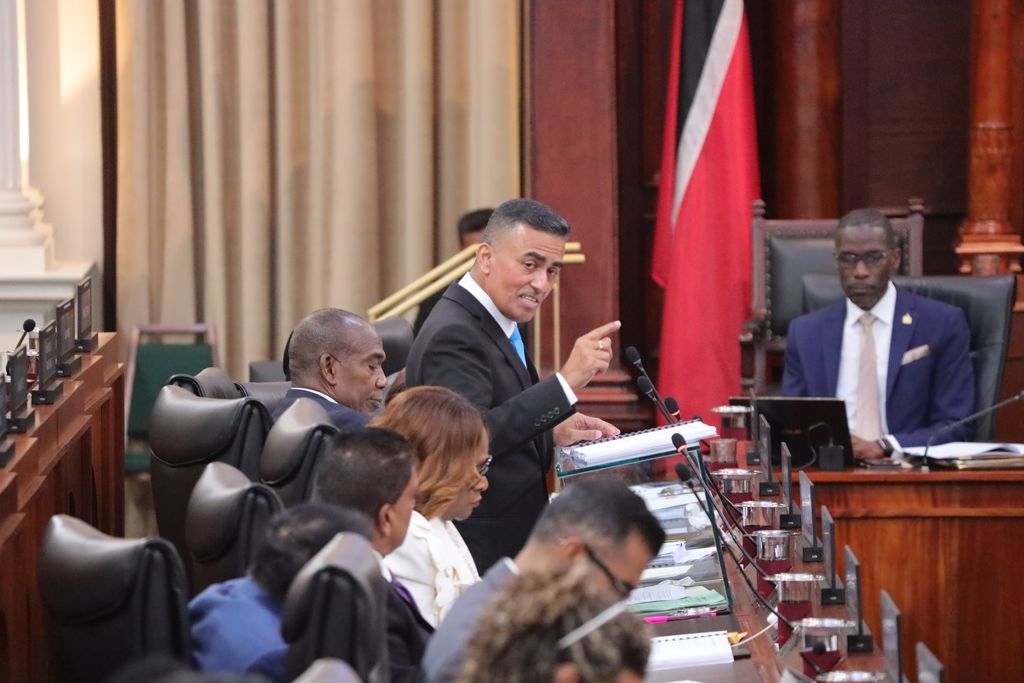
The Special Operations Bill, 2026, was established after the State of Emergency ended on September 17 by the Government to combat escalating violent crime, gang activity and illegal firearms. It was passed in the Lower House and the Upper House, with the Senate deadlock broken by a casting vote by the Senate President.