Mark’s vote breaks 15-15 Senate deadlock to pass Special Operations Bill
 24 September 2026
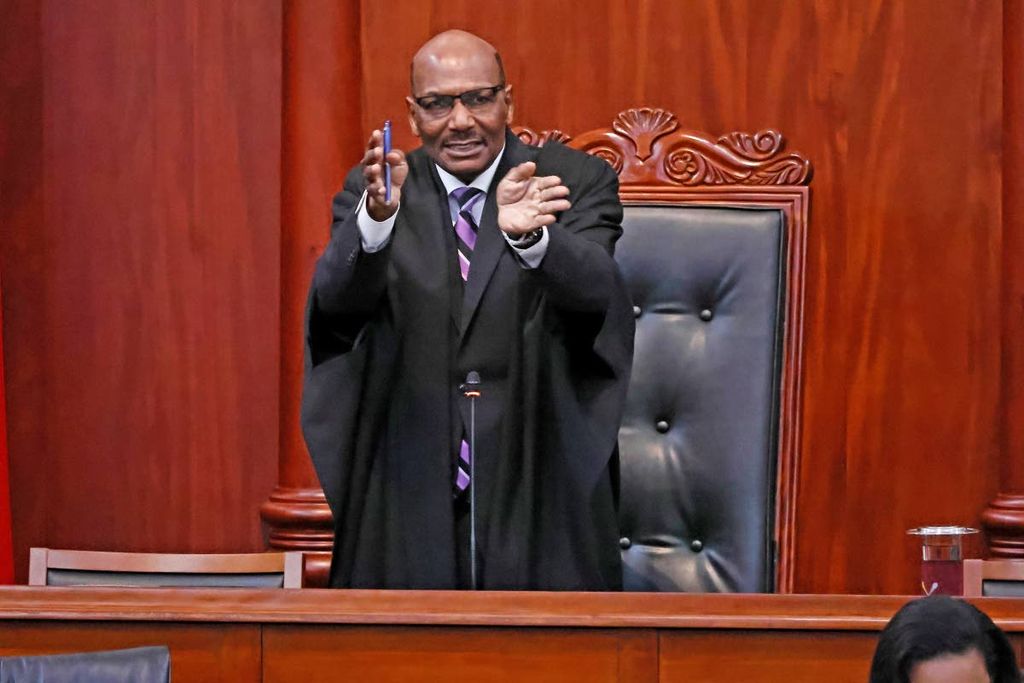

Senate President Wade Mark used his casting vote early this morning to break a 15-15 deadlock and secure passage of the Government’s Special Operations Bill, following a tense conclusion to debate in the Upper House.
The bill received the support of all 15 Government senators but was rejected by all six Opposition senators and the nine Independent senators, leaving the chamber evenly divided.
With the vote tied, Mark intervened, saying he had researched his authority to exercise a casting vote and was satisfied he could break the deadlock.
“There is no settled practice in this Parliament based on my research on this issue of the status quo re casting vote,” Mark told senators.
“I have done the research on this matter. I will make it available at the appropriate time to my colleagues who have requested it. I vote with the ayes, 16.”
Mark, who today will receive the Order of the Republic of Trinidad and Tobago, then declared the final vote 16 in favour and 15 against, allowing the bill to pass.
The declaration prompted immediate objections from the Opposition benches, with Senator Faris Al-Rawi repeatedly attempting to raise a Standing Order.
Mark, however, ruled that the vote had already been taken and declined to entertain further discussion.
“The vote has been taken. The bill has been passed,” he said, before instructing the Clerk to proceed with the reading of the bill’s long title.
When objections continued, Mark told the senator to take his seat, repeating the instruction three times.
The dramatic vote came after Government rejected amendments proposed by Independent senators during the committee stage of the legislation.
Independent Senator Anthony Vieira proposed, among other changes, that the term “special operations” be expressly defined in the legislation.
Vieira also raised concerns about the Prime Minister’s role in the appointment of Heads of Special Operations within the country’s policing districts, arguing against the Prime Minister having the ability to veto a person selected by the Commissioner of Police.
Government did not accept the proposed amendments.
During debate, Independent senators had raised broader concerns about safeguards contained in the legislation, including the declaration of closed areas, restrictions on movement, detention powers and oversight of special operations.
The Special Operations Bill required only a simple majority for passage, unlike the Government’s earlier Zones of Special Operations legislation, which required a three-fifths majority and failed in the Senate earlier this year.
The revised bill had already been passed in the House of Representatives following debate last Friday.
Thursday morning’s vote means the legislation has now cleared both Houses of Parliament.