AOSIS: Climate promises must become action as islands face mounting threats
 23 September 2026

Seigonie Mohammed
As Caribbean countries grapple with extreme heat and drought, the Alliance of Small Island States (AOSIS) is warning world leaders that climate promises must translate into action and accessible financing for vulnerable states.
At the 81st United Nations General Assembly in New York, AOSIS called for concrete commitments to keep the 1.5°C global warming limit within reach, accelerate the transition away from fossil fuels and deliver climate financing to Small Island Developing States (SIDS).
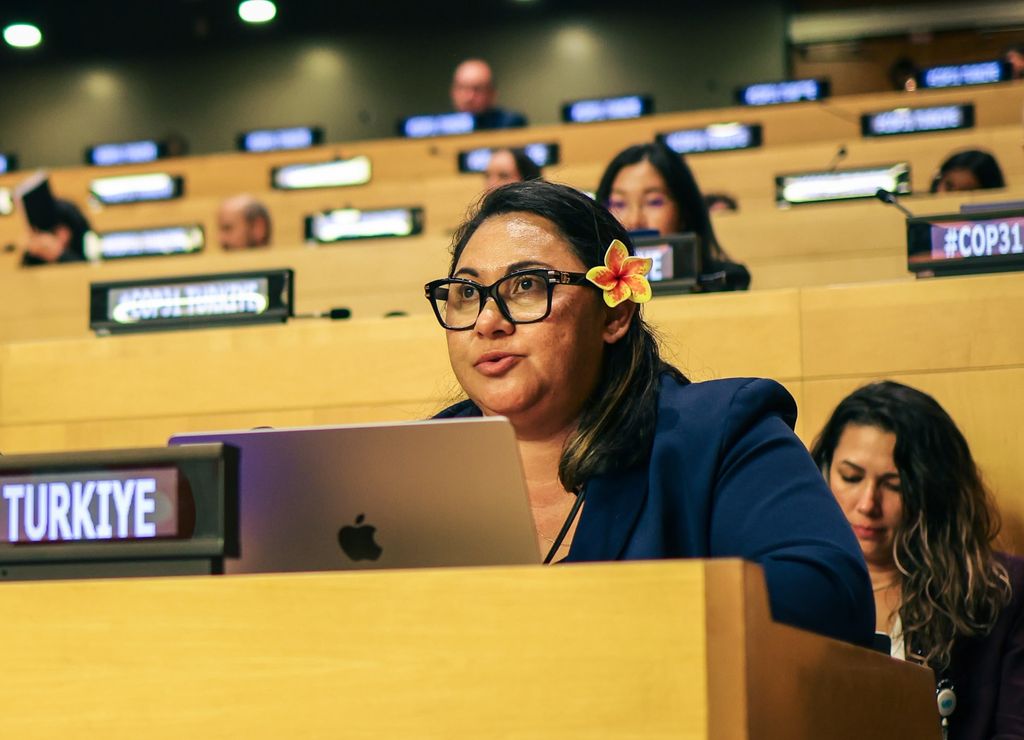
AOSIS Lead Climate Change Negotiator Anne Rasmussen, delivering a statement on behalf of AOSIS Chair Ambassador Ilana Seid, said worsening climate conditions could no longer be treated as business as usual.
“The last two months have been the hottest on record. Sea level rise is unprecedented. This cannot be business as usual,” Rasmussen said, citing information presented by the World Meteorological Organisation at the launch of the COP31 Action Agenda.
For Trinidad and Tobago and its Caribbean neighbours, the warning hit closer to home.
“In the Caribbean, drought-struck farmers and citizens are facing no relief, all while grappling with extreme heat,” Rasmussen said.
AOSIS insisted countries should not abandon the internationally agreed 1.5°C threshold despite warnings that the world could temporarily exceed it.
“We reiterate: 1.5°C is not an arbitrary goal that would be nice to achieve. It is the legally affirmed limit, endorsed by the UNGA, committed to by countries to protect people, ecosystems and economies,” Rasmussen said.
The grouping wants countries to implement commitments arising from the Global Stocktake, including transitioning away from fossil fuels in a just manner, tripling renewable energy and doubling energy efficiency by 2030.
Asked during a joint AOSIS and Least Developed Countries (LDCs) press conference whether discussions about fossil fuels should continue, Rasmussen said: “Of course, the fossil fuel conversation must continue as this is the main driver of climate change.”
But she said SIDS have already presented energy transition plans through their Nationally Determined Contributions and are still waiting for adequate financial support to implement them.
“Solutions are futile if our countries cannot access the means of implementation and resources for essential adaptation. Climate finance must be accessible, affordable, predictable and responsive to our vulnerability,” the AOSIS statement said.
LDC Chair Ambassador Adão Soares Barbosa also cautioned that voluntary climate pledges require scrutiny.
“Voluntary pledge is also good, but then accountability is very much needed,” Barbosa said.
The negotiators also raised concerns about the Loss and Damage Fund established to help developing countries facing climate-related destruction.
Rasmussen said the fund remained under-resourced, while Barbosa called for quicker action when countries experience disasters.
“The board members need to consider about the urgency, how to respond quickly, how to address quickly,” Barbosa said.
Heading towards COP31, AOSIS is seeking increased and more accessible climate financing, faster implementation of national climate and adaptation plans and progress on a Just Transition Mechanism.
“The Belém Mission to 1.5°C must not be just another report,” Rasmussen said. “It must be a blueprint for implementation and provide real accountability beyond 2026.”
Her closing message to world leaders was equally pointed: “This UNGA session must progress cooperation and commitments to ensure that 1.5°C remains the North Star of global climate action.”