
The Nelsonian Foundation is rolling out three free artificial intelligence tools aimed at tackling gaps in education, dementia care and financial literacy across the Caribbean.
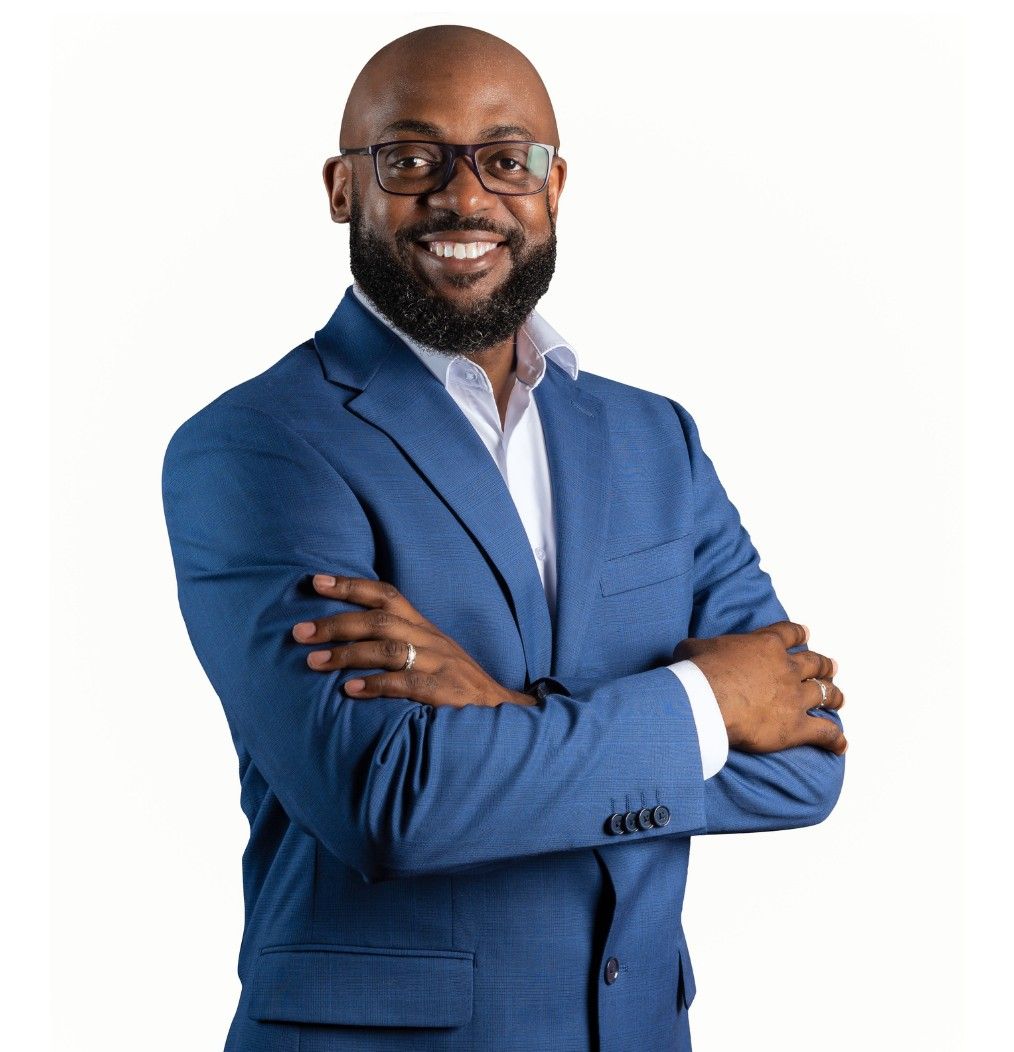
Founder Brevard Nelson told Guardian Media the tools, which will be rolled out this month, are designed to support teachers, caregivers and financial advisers while reaching people who may not always have access to those services.
The three tools are Caribbean AI Tutor, CareAI Assistant and the Caribbean Financial Literacy Game.
Nelson explained that the September rollout coincides with the start of the new school term, World Alzheimer’s Month and International Literacy Day on September 8.
The Caribbean AI Tutor is designed for students preparing for Common Entrance, the Secondary Entrance Assessment, CSEC and CAPE examinations. Rather than simply providing answers, the system uses prompts and hints to guide students through problems.
The platform is free and available to more than 2,100 schools across 19 Caribbean countries. It also includes dashboards to track student progress.
Nelson said student feedback, including input from Form Four students at St Mary’s College, helped shape the tutor.
The need for additional support comes as students continue to face challenges in key subjects. For the May and June 2026 CSEC examinations, the mathematics pass rate was 42 per cent, while English A recorded an 80 per cent pass rate among more than 118,000 candidates.
The second tool, CareAI Assistant, focuses on dementia caregivers.
Nelson developed the platform after engaging with global Alzheimer’s organisations as well as local care homes and associations. The system provides onboarding, six care categories, care logging, AI recommendations, alerts and analytics, alongside caregiver wellness check ins and a voice companion.
It is also designed to identify patterns that may require attention, including declining appetite, increased agitation, or medication non-adherence.
Where medication-related concerns arise, the system directs caregivers to consult a physician rather than attempting to replace medical care.
The World Health Organization estimated that 57 million people were living with dementia globally in 2021.
The third initiative is the Caribbean Financial Literacy Game, a turn-based simulation designed to teach financial decision-making.
Players work with a realistic Caribbean pay slip that includes deductions such as National Insurance Scheme contributions, the health surcharge and PAYE. The game covers 10 Caribbean jurisdictions and includes versions for students and adults.
A Financial Freedom Score measures financial resilience rather than focusing only on net worth.
Nelson, whose late father, Elton Nelson, was a former principal of Holy Saviour Anglican Primary School and was known for creating Common Entrance and SEA practice tests, also has experience in financial services.
He described the three tools as part of a broader effort by the Foundation to use technology to address practical needs.
“These are just three of the solutions we have built that tie back to the Foundation’s mission,” Nelson said, “to use technology to support the people who help others teachers, caregivers and financial advisors and to reach vulnerable people who can’t always access human systems, without letting cost be the reason they go without.”
The Foundation is funding the development of the tools and is working with schools, sponsors, care homes and community organisations, including Rotary International, to support the rollout.
Nelson also indicated that more initiatives are being developed.
“We would continue to help where we can, using technology,” he said.
“There is more coming, but the standard stays the same: built for the person first, and free for the people who need it.”