
Otto Carrington
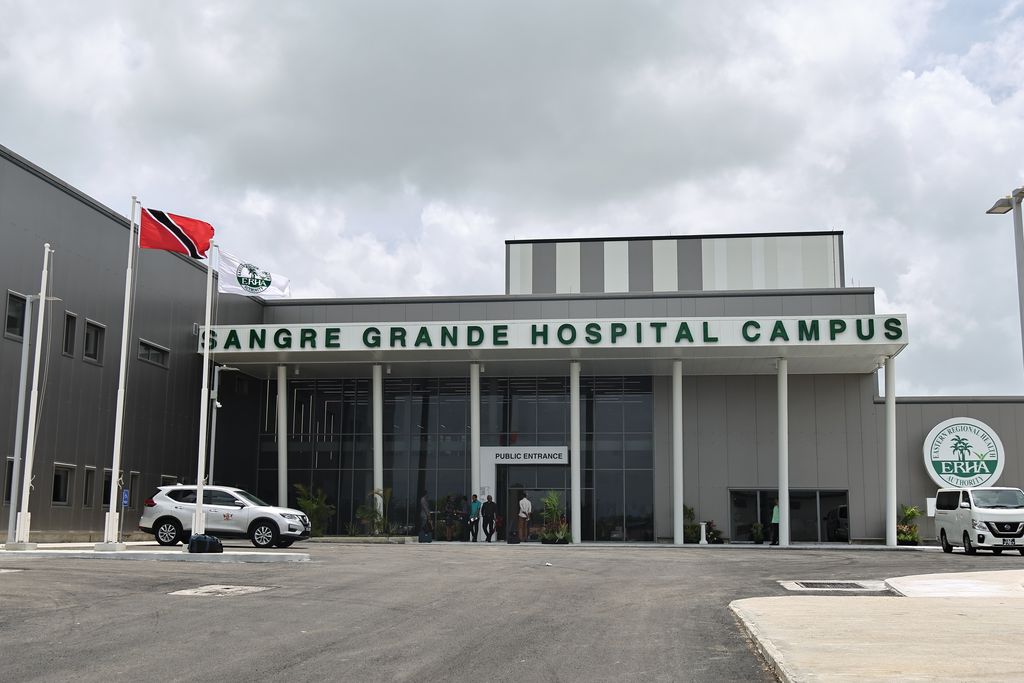
A chickenpox outbreak affecting healthcare workers at Sangre Grande Hospital has raised concerns about workplace safety, staffing pressures, and employee welfare within Trinidad and Tobago’s public healthcare system.
President of the Trinidad and Tobago National Nurses Association (TTNNA), Idi Stuart, confirmed that while rumours of tuberculosis (TB) and meningitis outbreaks had been circulating, the only confirmed outbreak was chickenpox.
“The association has been able to gather that the only real outbreak there is, is chickenpox,” Stuart said during a radio interview. “We are not aware of any TB outbreak. We are not really aware of any meningitis outbreak.”
His comments come amid growing concern among healthcare workers and members of the public following reports of illnesses affecting staff at the facility.
Stuart sought to reassure the public that there was no evidence of a TB or meningitis outbreak, noting that such illnesses would present a far more serious public health concern.
“Chickenpox is really a mild disease. It’s a disease that can be easily controlled,” he said.
However, he explained that chickenpox spreads easily in healthcare settings because infected individuals can transmit the virus before symptoms become apparent.
“By the time symptoms appear, there is the possibility of that disease being spread to other persons,” Stuart said.
He noted that hospitals and other healthcare facilities are particularly vulnerable because of the close proximity between patients and staff.
The TTNNA president argued that overcrowding in hospital wards increases the risk of infections spreading.
“When health administrators try to push five or six patients into a four-bed area, reducing the space between each bed, it increases the risk of infection transmission,” he said.
Stuart also pointed to poor ventilation in some of the country’s older healthcare facilities as a contributing factor that increases the likelihood of disease transmission.
While chickenpox is generally considered a mild illness, he noted that healthcare workers diagnosed with the virus are typically required to remain away from work for approximately 14 days to prevent further spread.
According to Stuart, this often creates significant challenges for affected workers.
He said many healthcare employees receive only 14 days of annual sick leave and can be forced to use their entire allocation while complying with mandatory isolation requirements.
“You are mandated to stay away for 14 days. By the time you come back, you literally have no more sick days if you come down with anything else,” he said.
Stuart argued that workers who contract illnesses while carrying out their duties should not be penalised by having those absences deducted from their annual sick leave entitlement.
He said the issue has been raised repeatedly by the association, particularly during the COVID-19 pandemic, when healthcare workers faced similar challenges.
The nursing leader called for discussions aimed at recognising workplace-acquired illnesses and providing greater protection for frontline healthcare staff.
Despite concerns about staff absences, Stuart said healthcare services within the Eastern Regional Health Authority (ERHA) were in a stronger position than some other regional health authorities to manage temporary shortages.
“There would be fallout, but not as great as if it happened elsewhere,” he said.
He added that management would likely rely on available staff to work additional shifts while affected employees recover and complete their isolation period.
Stuart said protecting healthcare workers ultimately protects patients and the wider public, stressing that infection prevention and proper workplace policies are essential to maintaining a safe and effective healthcare system.