
Senior Reporter
Two stakeholders yesterday questioned the T&T Police Service’s (TTPS) handling of the Joshua Samaroo case and again called for the full use of body cameras by police during their operational duties.
Speaking on CNC3’s The Morning Brew, former police commissioner Gary Griffith first clarified that the situation was not about Kaia Sealy actually shooting Samaroo, but rather her alleged action/s which reportedly forced the police to react as they did and which led to the death of Samaroo.
Griffith said, “This is the allegation that police officers were involved in armed conflict with her and she was actually firing at police officers, and police, in their reason to defend themselves, returned fire and by Mr Samaroo being killed, she is now being charged.”
Defending the character and integrity of Director of Public Prosecutions (DPP) Roger Gaspard, who gave police the orders to lay three charges, including manslaughter, against Sealy, Griffith insisted, “What it should not be, is for persons to question the professionalism of the DPP.”
Saying he had worked with Gaspard during his tenures as CoP and national security minister, Griffith added, “I can assure you the DPP cannot be politicised. He is not biased. He cannot be influenced. However, a DPP makes a decision based on what is provided to him.”
On the question of whether the DPP had misread the room, he said, “His work is based on the files and the facts. This is what is given to him. He is not a fact-finding investigator. He is also not a public relations officer, nor a politician, nor a commissioner.”
Griffith said Gaspard’s job was to sift through all the facts placed before him and deliver a directive based on that.
Offering his perspective on several theories related to the actual shooting now being offered in the public domain, Griffith said, “Questions just need to be answered. It is not to say that she innocent or guilty, or vice versa, but in the absence of the CoP not clarifying this, and I finally have to add, to make it worse, the most dangerous thing is giving an ignorant person authority. We have a situation where persons came forward and wanted to voice their concern, their hurt...you go outside the Police Admin Building and you disperse them, you scatter them with the audacity to say that is based on a threat to national security?”
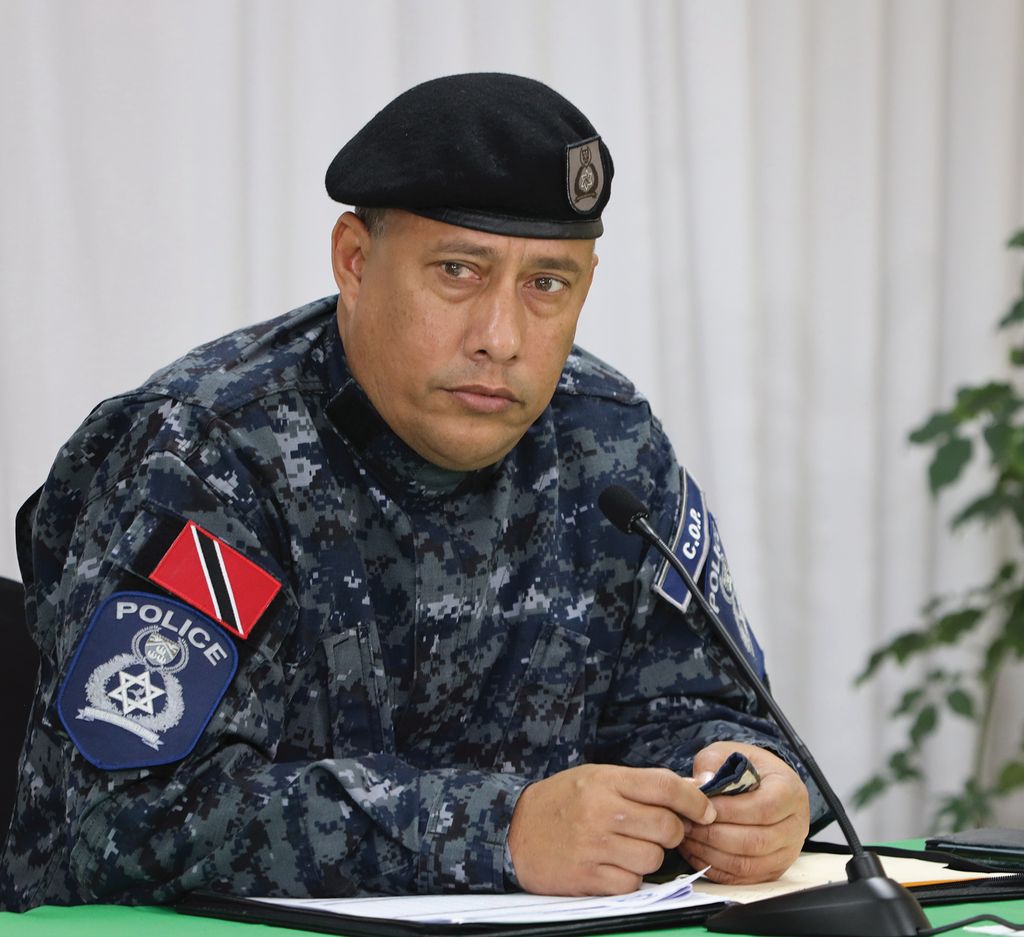
However, he said questions needed to be asked about why there has been silence by the Police Service Commission (PolSC) regarding the decision by Commissioner of Police Allister Guevarro not to utilise the 1,200 body cameras that had been purchased whilst he was in office.
Griffith argued, “It seems like there is a deliberate attempt not to use these body cameras. ... It seems to be a fear of technology.”
He also described Guevarro’s refusal to suspend officers when the incident occurred as the first red flag, noting it was in contrast to international best practice. He added that subsequent comments about the decision were indicative of a lack of understanding of law enforcement procedure.
He accused Guevarro of acting in an arrogant manner, which he said would not help in rebuilding public trust and confidence in the TTPS.
Calling on the PolSC to suspend Guevarro based on claims the body cameras were non-functional, which he argued were misleading, Griffith said both Guevarro and Homeland Security Minister Roger Alexander were “lacking logic in 21st Century Policing.”
“This type of attitude of police have to protect police, has to stop,” he said.
Having worked as a national security advisor to Prime Minister Kamla Persad-Bissessar during her previous term, Griffith said, “I cannot think that she would agree that we must demonise, condemn, attack the media, attack those persons that went outside the Police Admin Building and you, a Government minister doing that.”
He questioned if these sentiments were representative of the Government’s overall position.
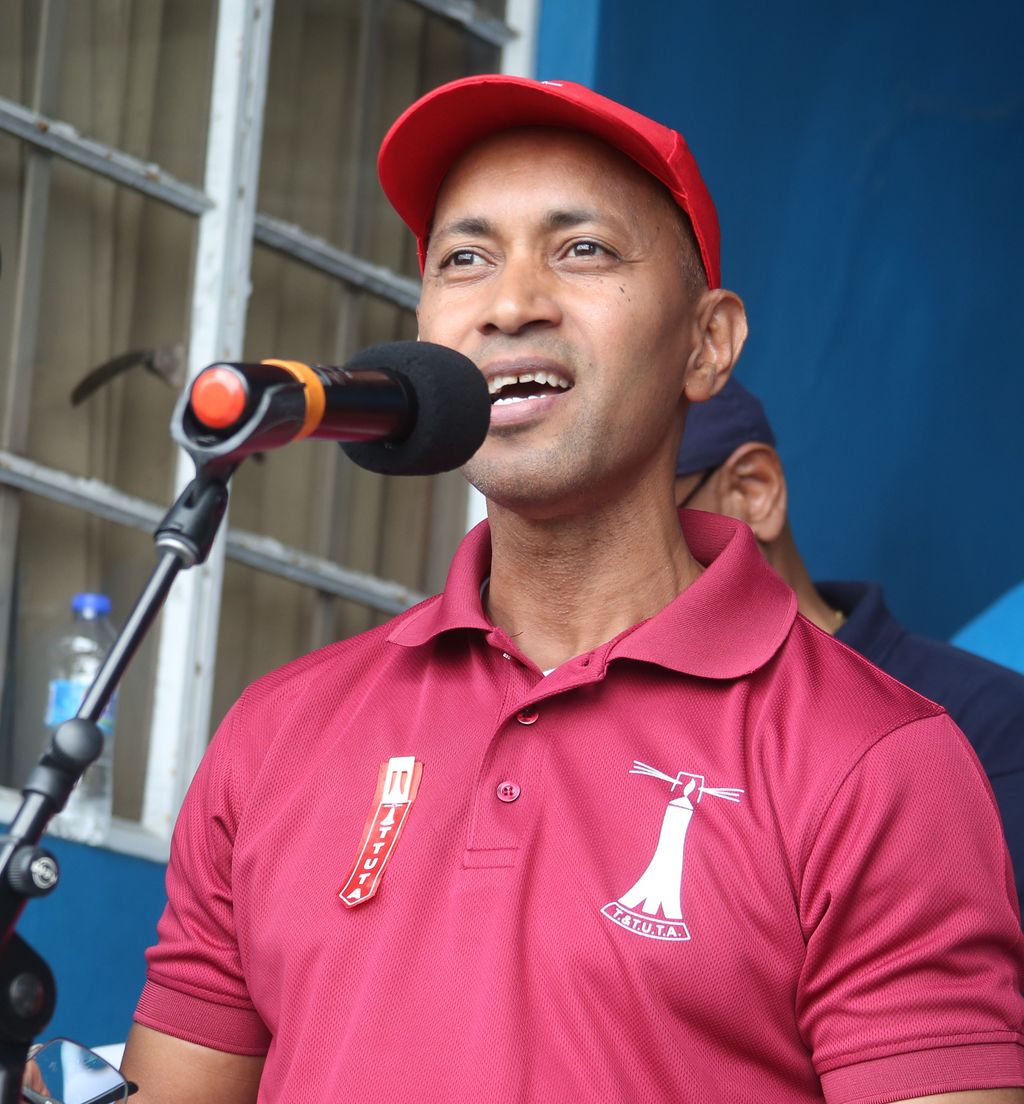
Meanwhile, social activist Dr David Muhammad, also appearing on the programme, admitted CoP Guevarro has a tough job before him, in that he often has to strike a balance between demonstrating public compassion whilst ensuring the hardline approach is not lost.
This delicate balancing act often rears its head, Muhammed said, as past experience has shown that when the frustration and stress of crime moves to the fore, calls are made for “a Randolph Burrows type of leadership within the police.”
Saying there were too many skeletons in Burrows’ closet regarding his crime- fighting efforts, Muhammad acknowledged that the public had reached its wits’ end on the crime situation and that it appeared as if they were willing to accept “the kind of draconian, hardline, even bloodthirsty policing in exchange for solving the crime problem.”
Weighing in on the shooting death of Samaroo, which left Sealy injured, Muhammad urged people not to let collective hatred pervade society.
Agreeing that public trust and accountability in the TTPS had been called into question in the past, Muhammad said the widespread use of body cameras remained an essential missing component of officers’ daily operations.
He called for sensitivity training for police officers, adding that he did not believe the revelation last week that Sealy would face manslaughter charges was prudent at this stage.
“I think it was a miscalculation on the part of the State to bring forth this story, especially with the confidence of not properly explaining what it is that they saw.”