
Brent Pinheiro
When it comes to tourism, Belize’s goals are clear: the country aims to become a “unique, authentic, sustainable, and competitive world-class destination” by 2030. To do this, the country developed a National Sustainable Tourism Master Plan (NSTMP), a 20-year strategy that guides infrastructure, governance, and investment decisions, according to Belize Chief Tourism Officer Josue Carballo.
Updated in 2024 to account for post-pandemic changes and incorporate climate resilience strategies, including a commitment to plant one million trees and other sustainability initiatives, Carballo said the plan is built on data and, more importantly, long-term planning.
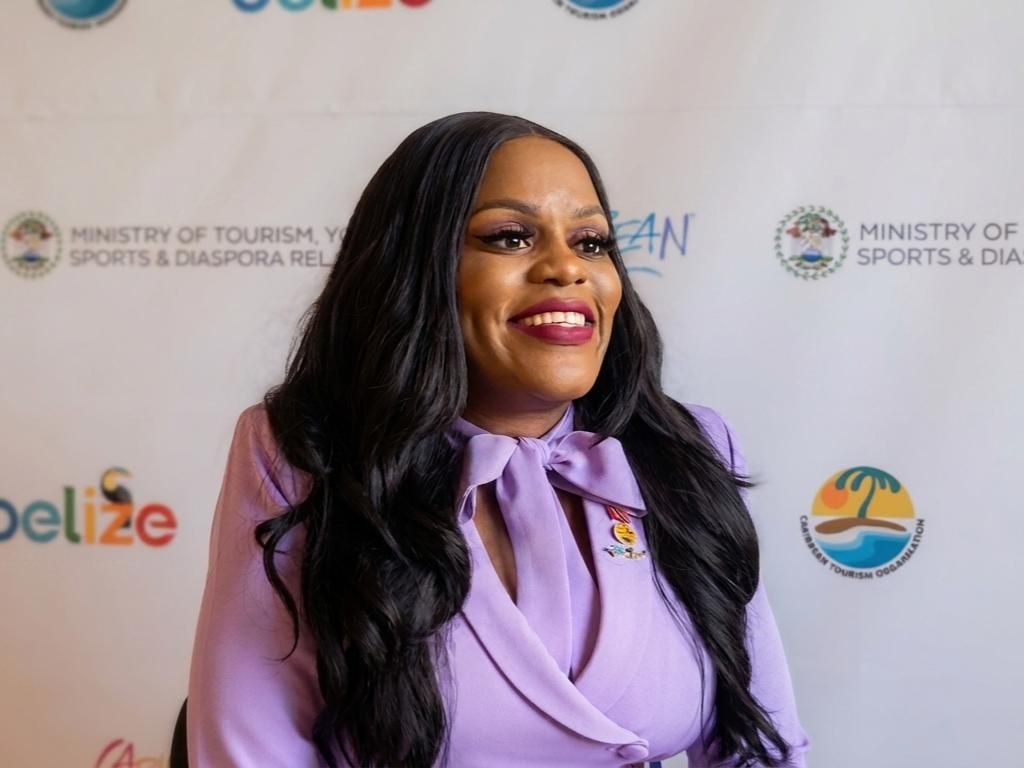
Speaking with Guardian Media at the Caribbean Tourism Organization’s Sustainable Tourism Conference in Belize last week, Carballo explained that Belize focuses on high-value, low-impact tourism, aiming to increase visitor spending and the length of stay.
Leveraging its strengths in the blue, green, and orange economies, Belize has seen overnight stays in 2025 rise to 551,698 based on preliminary figures, a 9.6 per cent increase from pre-pandemic levels.
But with tourism accounting for approximately 40 to 46 per cent of the country’s US$6.5 billion GDP, how does the country stay on track when a change in government could mean a completely different vision?
Carballo said leaders have to think beyond politics.
“That’s critical when you talk about medium to long-term planning,” Carballo said.
He added: “Back when the NSTMP was done, consultation was on board with the government and with the opposition. It’s important from the beginning to have participation from all major entities, including political parties on both ends. So, they understand the process, they become a part of it, and then it becomes a 15, 20, 30-year plan.”
In Trinidad and Tobago, the concept of a long-term plan may still seem aspirational. Past governments have often discarded plans and projects created by rival political parties.
But as Tobago begins implementing its own tourism plans under the Farley Augustine-led administration, Tourism, Antiquities and Creative Industries Secretary Zorisha Hackett told Guardian Media the key lies in building a solid plan.
“We hope that governance is continuous. That is the aim, that you build plans so solid that even if a government changes, they see the value and merit in that plan,” she said, stressing the need for technocrats and public servants to transfer institutional knowledge “whether a particular political organisation is at the helm or not.”
The Tobago People’s Party currently holds all 15 seats in the Tobago House of Assembly, so unlike Belize, there is no opposition to consult.
However, Hackett said the TPP is working with a 20-year plan for Tobago, one that extends beyond an election manifesto.
“We sat down and pulled out, as a segment of the strategic development planning pathway, what we knew was a bite-sized portion that was realisable within this four-year period. And so, we have been sticking very closely to it.
“Every single element of the governance structure has to stick to that plan. We review it quarterly. We spend time really going over whether or not they’re still viable and still as relevant as we expect them to be.”
Hackett also revealed that the TPP is building on elements of plans created by the previous People’s National Movement administration, with adjustments, as part of what she described as mature governance.
“If we are really custodians of the public purse, then we would understand when a plan is a good plan. And a plan that benefits the people should be, with mature and responsible governance, executed to that place of completion. Government come, government go.”