
Government’s Victims’ Rights Bill 2026, which protects victims in a variety of groundbreaking new ways, will call for a sea of change in the mindset of investigatory agencies like the Trinidad and Tobago Police Service and prosecuting agencies to ensure victims’ rights are upheld.
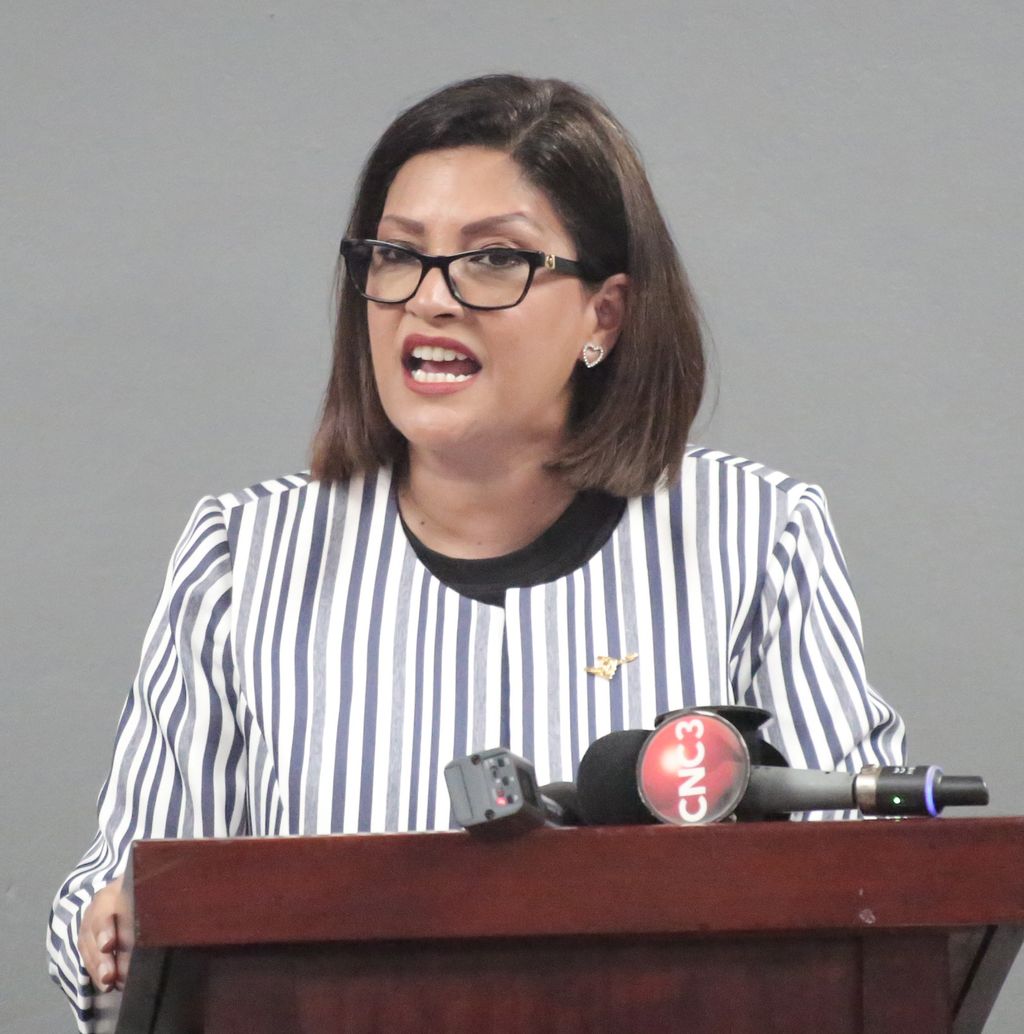
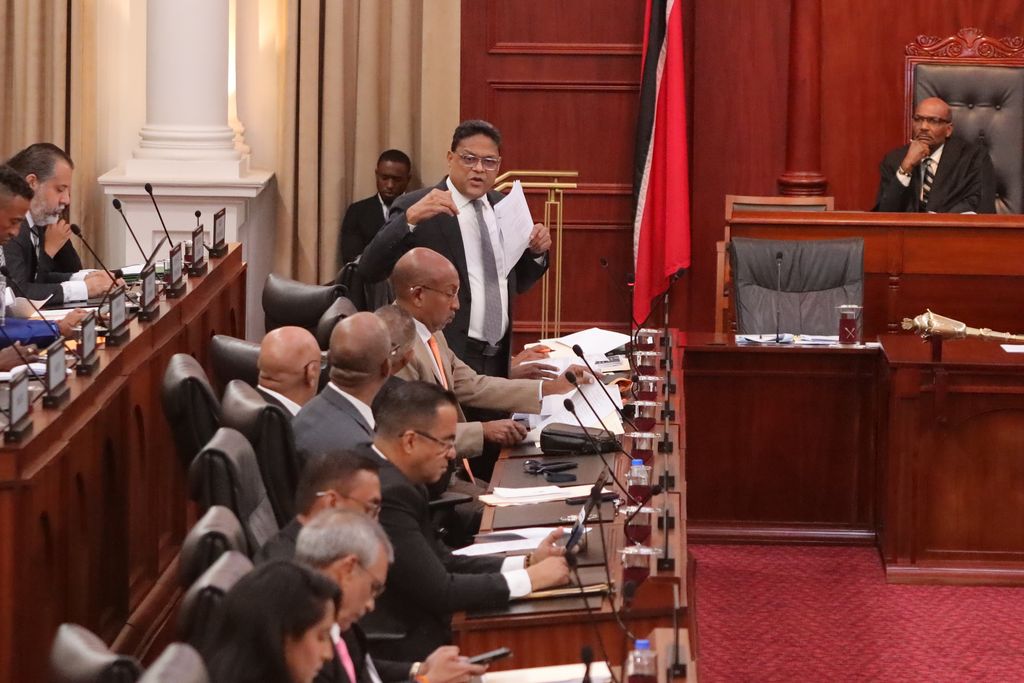
“We intend to have awareness programmes with all agencies involved. We’re going to bring them in a room, set out a mandatory code that must be followed flowing from this bill when passed and let them know this is the new order - victims have suffered too long!” said Justice Minister Devish Maharaj in piloting the bill in the Senate yesterday.
The bill provides for the rights and entitlements of the victims of crime. Its 29 clauses will address stages in which victims have historically been failed by the system.
Maharaj said the bill represents a paradigm shift in T&T’s criminal justice history and is the first of its kind in the Caribbean.
“People need to know that they matter and that the society they live in sees them, hears them and will stand with them. For too long, the victims of crime in T&T have been made to feel that they don’t matter to the legal system; that they’re instruments of prosecution, not participants in justice. That their pain is procedurally inconvenient,” Maharaj added.
The bill establishes principles for the treatment of victims, recognises the impact of crime on victims, affirms the rights of victims to be treated with respect, acknowledges the victim’s role as a participant in the criminal justice system and seeks to reduce secondary victimisation.
Maharaj said, “For far too long, victims of crime have experienced anything but justice. They’ve experienced silence, exclusion and ‘secondary victimisation’ - delays, poor communication and lack of cohesive support... While the legal framework was designed primarily to protect the rights of the accused and due process, in safeguarding that, we overlooked those who did nothing wrong, who bore the physical, emotional and financial scars of wrongdoing and were relegated to the periphery of the process that was supposed to serve them.”
Citing record murders in 2024, plus other crimes - between 2020 and 2023 alone, over 42,000 serious crimes were reported to police - Maharaj said each number is a name and person whose life was shattered.
He said women and children, particularly in contexts of domestic and sexual violence, continue bearing a disproportionate burden of harm.
“Thousands of domestic violence incidents are reported annually, yet only a fraction result in charges or prosecutions. This gap between reporting and enforcement reflects not only evidential challenges, but systemic shortcomings in how victims are supported through the process.”
Maharaj cited the Tot Lampkin case, where a mother successfully sued the State after her daughter was repeatedly threatened, assaulted and murdered despite multiple reports to police and pleas for protection. He said the victim made four reports to police stations from 2013 to 2017 and had three applications to the judiciary’s domestic violence court. He noted a magistrate questioned her for seeking a protection order and she was turned down.
“This is a classic case of a victim who, maybe if we had a Victims’ Rights Act, the investigating authorities may have found it necessary to probe the matter more diligently, inform her of the matter’s progress and take steps to prosecute the offender. Just maybe, a life might have been saved,” Maharaj said.
Maharaj said the bill will assist institutions dealing with witnesses, including the TTPS Victim and Witness Support Unit. He noted that these institutions, however, operate in silos, lacking an overarching legal obligation to coordinate efforts and an enforceable standard of conduct.
Maharaj said responsibility for a Victims of Crime Charter was transferred to the then Ministry of National Security in 2015, and nothing was done thereafter. Now, under UNC’s Justice Ministry, Maharaj said, “This bill ensures that victims are no longer invisible within our laws.”
Victims’ Rights Bill provisions
• ↓Victims are protected from the moment a report is made.
• ↓Police are required to treat victims with courtesy and compassion.
• ↓Victims are entitled to updates on investigations.
• ↓Agencies must provide information on counselling and support services.
• ↓Property taken during investigations must be safeguarded and returned.
• ↓Victims must be informed about charges and prosecution decisions.
• ↓Families and witnesses included in expanded definition of “victim”.
• ↓Rights apply even if no suspect is identified or convicted.
• ↓Agencies required to coordinate victim support efforts.
• ↓Bill aims to reduce “secondary victimisation”.