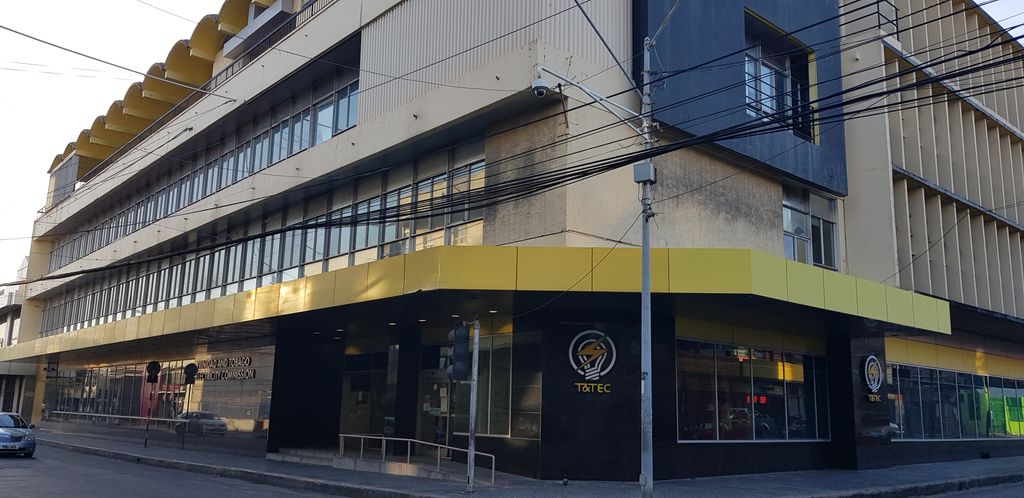

The Trinidad and Tobago Electricity Commission (T&TEC) has confirmed the existence of a “special protected list” that restricts its ability to disconnect certain customers with outstanding electricity arrears, stating that the matter is now under legal review amid public concern over fairness and transparency.
In a statement addressing the issue, T&TEC said it was providing clarification “in the public interest” following scrutiny of the list, which allows selected customers to avoid disconnection under standard enforcement procedures applied to ordinary consumers.
The utility confirmed that the list originally covered key public institutions, including government ministries and departments, state enterprises, other public authorities, and foreign diplomatic missions. However, it noted that between 2015 and 2025 the list was expanded to include some government ministers, Members of Parliament, and private sector companies.
T&TEC further stated that there is currently no published policy, formal procedure, or defined criteria governing the inclusion of individuals or entities on the protected list.
It also said there is no documentation or Board minutes recording how certain persons and private companies were added.
“The Commission has taken careful note of the strong public sentiment expressed about the protected list,” the statement said.
The utility also referenced Section 5(1) of the Trinidad and Tobago Electricity Act, Chapter 54:70, which empowers the President to issue general policy directions to the Commission on matters affecting the public interest.
Under that provision, T&TEC said it has sought legal advice and will be guided accordingly, noting that the President may act on the advice of Cabinet in relation to such directives.
The Commission emphasised that it remains committed to equal treatment of all customers and the principles of fairness enshrined in the Constitution.
“T&TEC wishes to reaffirm its commitment to the right to equality of treatment guaranteed by the Constitution to all citizens and gives the assurance that it values each and every customer and intends to treat them with equal dignity and respect,” the statement added.
The disclosure has sparked renewed public debate over governance, transparency, and the management of utility arrears, particularly where state-linked entities and high-profile individuals are involved.