
GEISHA KOWLESSAR-ALONZO
Senior Reporter
geisha.kow[email protected]
The Government’s handling of an offshore oil spill in the Gulf of Paria has come under scrutiny, with the Opposition and a political analyst raising concerns about delayed disclosure, accountability and the potential diplomatic fallout in an already sensitive relationship with neighbouring Venezuela.
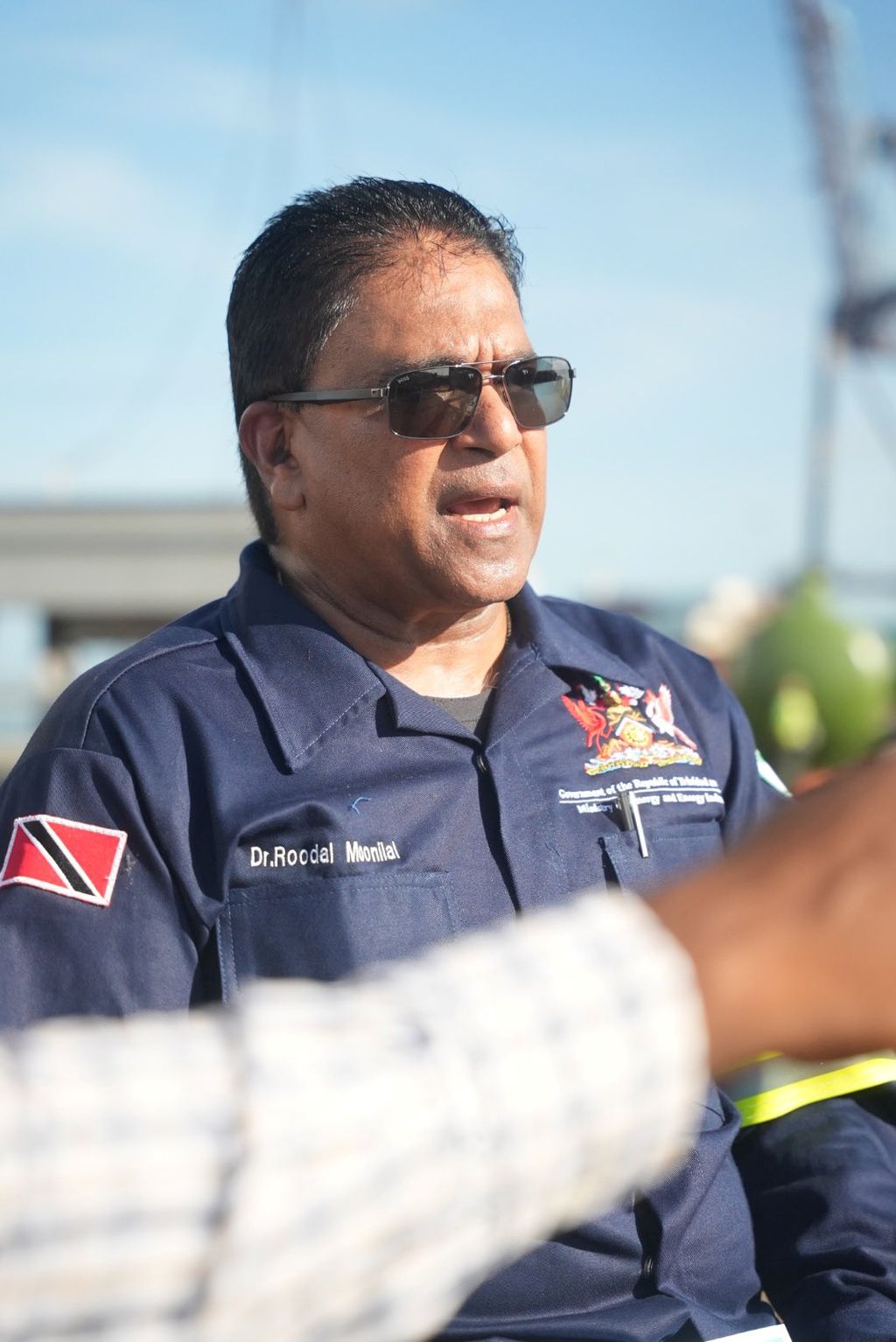
Meanwhile, efforts to obtain a comment from Prime Minister Kamla Persad-Bissessar were unsuccessful yesterday, as she referred all questions on the matter to Energy Minister Dr Roodal Moonilal.
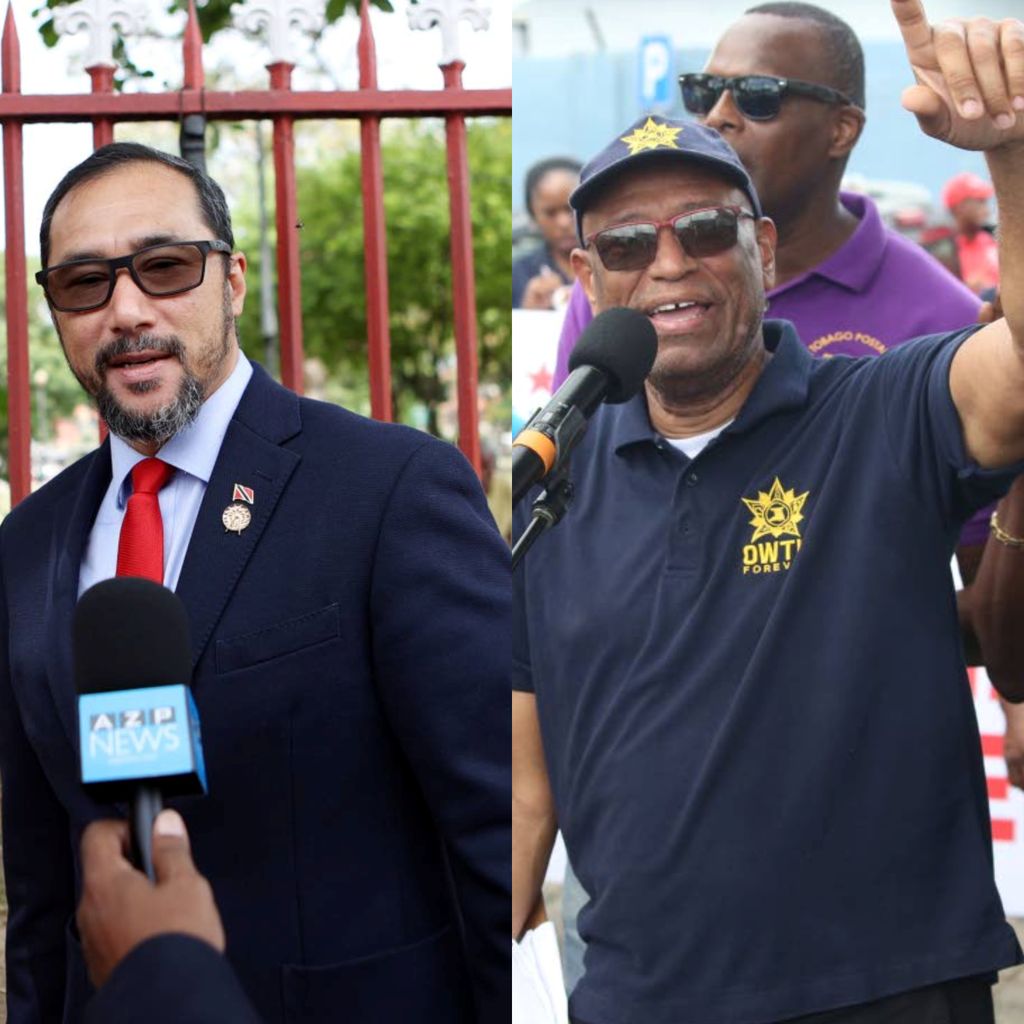
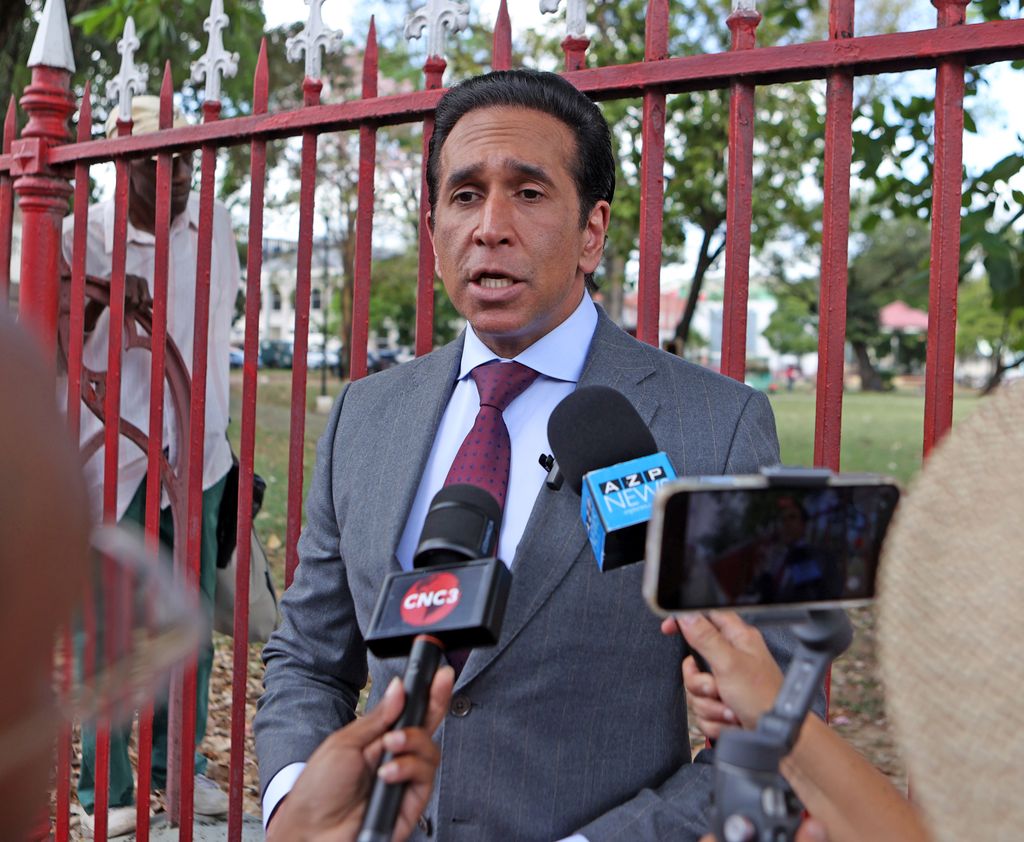
While Moonilal yesterday sought to downplay the incident, dismissing it as a minor, quickly contained event and insisting there was no cause for alarm, former energy minister and Opposition member Stuart Young accused the Government and Heritage Petroleum Company Ltd of attempting to conceal what he described as a significant environmental incident.
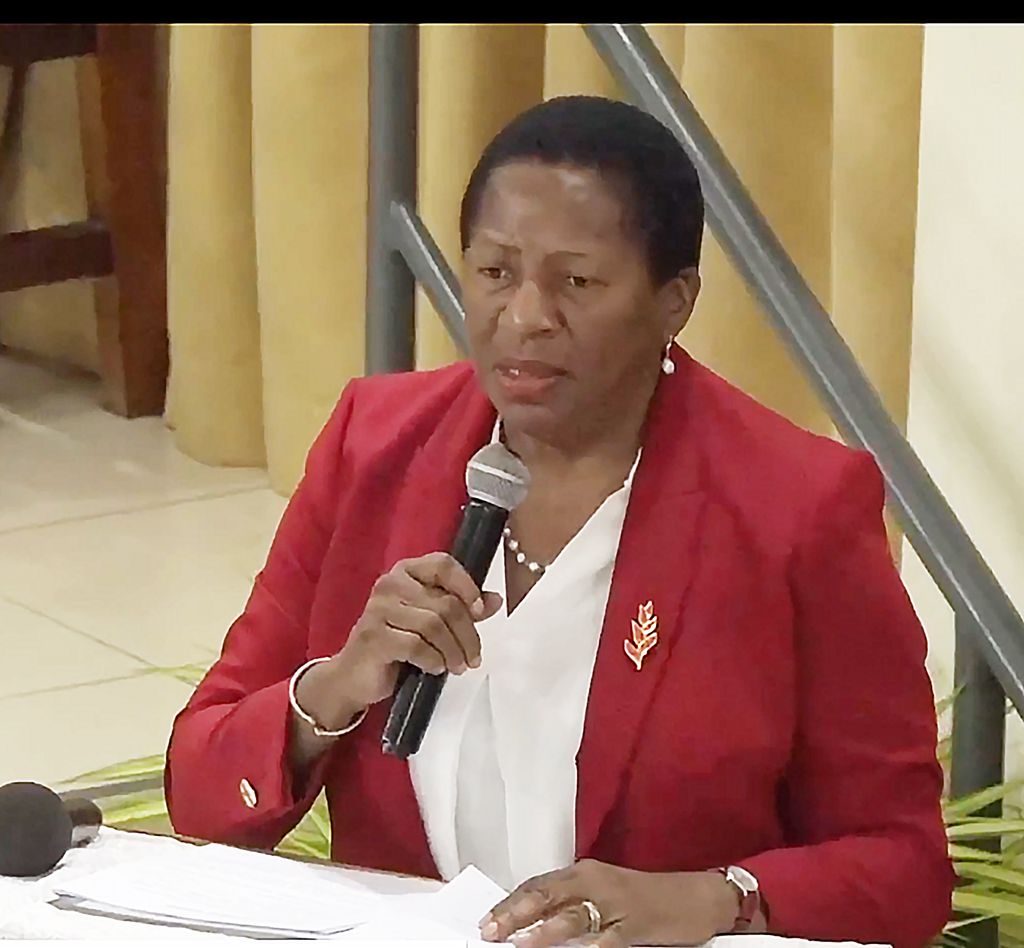
Political analyst Dr Shane Mohammed also warned that poor communication may have unnecessarily strained bilateral ties with Caracas.
The controversy erupted following a statement issued late Saturday from the government of Venezuela, which alerted the international community to an oil spill it said originated from T&T’s waters.
The Venezuelan communique claimed the spill caused environmental damage in the Gulf of Paria and along coastal areas of Sucre and Delta Amacuro, stating, “Evaluations carried out by Venezuelan authorities show severe risks to mangroves, wetlands, marine fauna and strategic hydrobiological resources for food security and the ecological balance of the region. Likewise, impacts have been recorded on vulnerable species and ecosystems of high environmental sensitivity.”
Caracas also instructed its Foreign Ministry to immediately request all pertinent information regarding this incident, as well as the corresponding action plan for the mitigation and containment of the spill, as it also demanded “compliance with the obligations established in international environmental law and the urgent adoption of reparation measures for the damage caused.”
In response, T&T’s Ministry of Energy and Energy Industries released an account of the incident yesterday, confirming that Heritage Petroleum detected an oil spill at its main offshore field at approximately 7.25 am on May 1.
According to the ministry, oil spill response protocols were immediately activated and regulatory agencies, including the ministry itself, the Environmental Management Authority (EMA) and the T&T Coast Guard, were notified without delay.
The ministry reported that oil spill trajectory modelling indicated a risk of untreated hydrocarbons potentially crossing into Venezuelan waters.
It said approval to deploy chemical dispersants was therefore granted at 9.50 am on May 1, with dispersants applied six to eight nautical miles from the maritime border.
Subsequent visual assessments, drone surveillance and vessel inspections reportedly found no visible hydrocarbons remaining on the sea surface.
The release said the source of the leak was secured and repaired on the same day, with the affected installation returning to service on May 2.
The spill was estimated at approximately ten barrels of oil, and daily inspections have since shown no recurrence.
The Ministry of Energy added it would collaborate with all relevant authorities locally and abroad to provide any additional information which may be required, stating it is also “committed to working with its counterparts in the Bolivarian Republic of Venezuela to develop a structured framework to manage any incidents of this nature which may arise in the future along our shared border.”
Addressing the matter via WhatsApp yesterday, Energy Minister Moonilal characterised the incident as “a minor event in Trinidad and Tobago waters that was dealt with in 48 hours.”
“The situation was contained quickly and effectively,” Moonilal said, while maintaining that there was no significant environmental impact.
He also directed blame toward the former People’s National Movement (PNM) administration, arguing that inherited infrastructure problems were a contributing factor.
Moonilal said “dilapidated infrastructure and ageing pipeline installations” left behind by the PNM had increased the likelihood of leaks, which he described as common following “years of PNM neglect”.
Despite the minister’s assurances, Young strongly disagreed with the Government’s characterisation of events.
He accused both Heritage Petroleum and the current administration of deliberately withholding information from the public about what he called a “major offshore oil spill.”
“Having regard to the announcement by the Ministry of Energy a short while ago about an oil spill on May 1, it is clear that both Heritage and the Government sought to cover up and hide a major offshore oil spill, which is a significant environmental event,” Young said.
Young also questioned why the population was not informed at the time of the spill and argued that the delay undermined public trust and accountability.
He also called for a formal investigation to determine who was responsible for suppressing information about the incident.
“There must be an investigation now into who suppressed this information of an oil spill since May 1,” he said.
“Environmental incidents of this nature are significant and demand openness. This is yet another example of the manner in which the Kamla Persad-Bissessar Government operates. They try to ‘get away from everything’ rather than face the population with the facts and truth.”
Young further raised concerns about the effectiveness of existing monitoring mechanisms, noting that during the previous administration, significant investment had been made in an oil-spill radar detection system designed specifically to identify spills in the Gulf of Paria.
He said the system was functioning fully up to the time the PNM left office and questioned whether it remains operational under the current administration.
Adding another dimension to the debate, Political analyst Dr Shane Mohammed told Guardian Media the most troubling aspect of the incident was the apparent failure to communicate promptly, particularly given the sensitivity of relations between T&T and Venezuela.
Mohammed questioned why neither the Ministry of Energy nor Heritage Petroleum made the spill public when it occurred on May 1, noting that transparency should have been paramount in light of ongoing diplomatic efforts with Caracas.
“My issue here is the delicacy of the relationship between Trinidad and Tobago and Venezuela,” Mohammed said. “This is a highly sensitive, time-bound and emotionally charged geopolitical environment, especially in matters relating to energy security and cross-border cooperation.”
He expressed concern that Venezuela issued what he described as an “aggressive” communique before T&T, as he further noted that T&T’s ministers have both individual and collective responsibility to ensure the Prime Minister and the population are properly informed.
According to Mohammed, even if appropriate response measures were already underway, the absence of early public communication risked creating an impression of secrecy or negligence.
He warned that errors in judgment or delays in transparency could unnecessarily complicate diplomatic relations at a time when the Government is seeking to strengthen ties with Venezuela.
“We cannot afford to drop the ball,” Mohammed said. “We have to take into consideration the geopolitics in Trinidad and Tobago and in the world that is affecting Trinidad and Tobago; it’s very delicate. We have to tread carefully.”