
Akash Samaroo
Lead Editor-Politics
akash.sama[email protected]
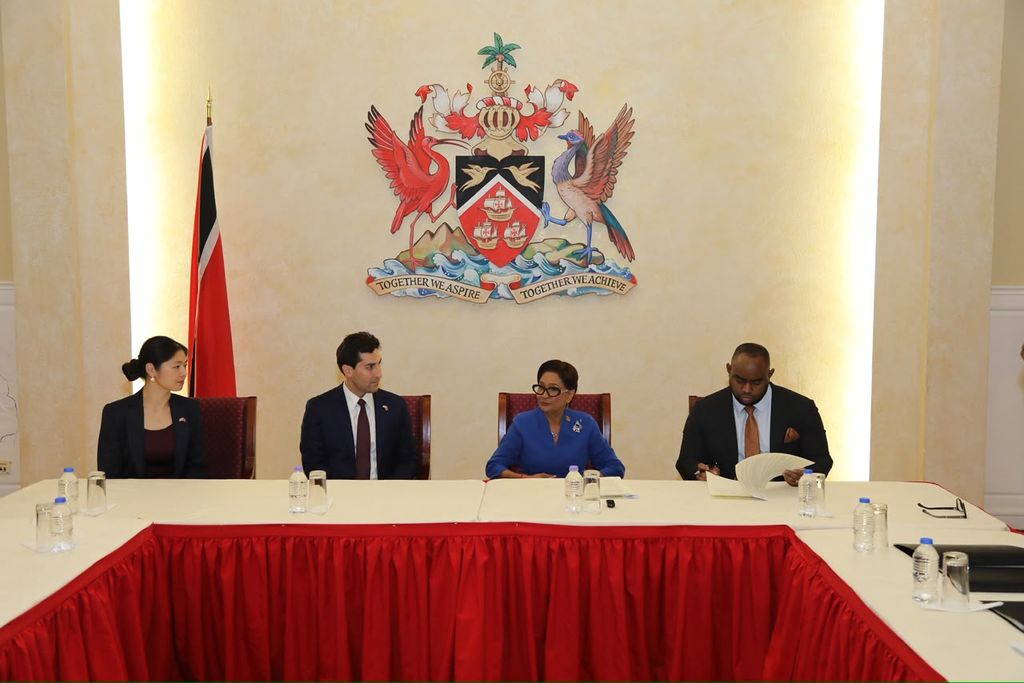
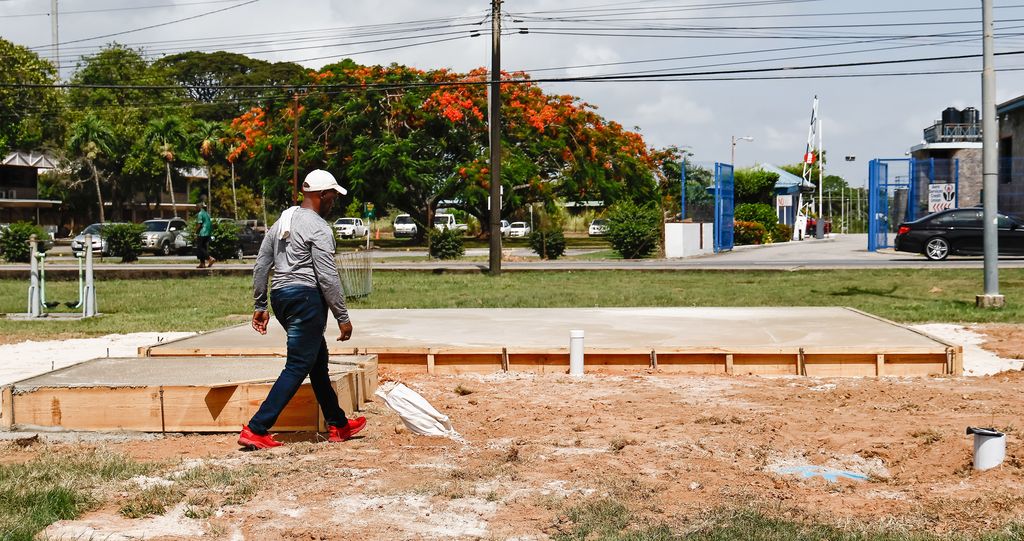
Daily-rated workers represented by the National Union of Government and Federated Workers (NUGFW) could begin receiving their increased salaries in September, after Cabinet ratified the union’s ten per cent wage agreement with the Chief Personnel Officer (CPO).
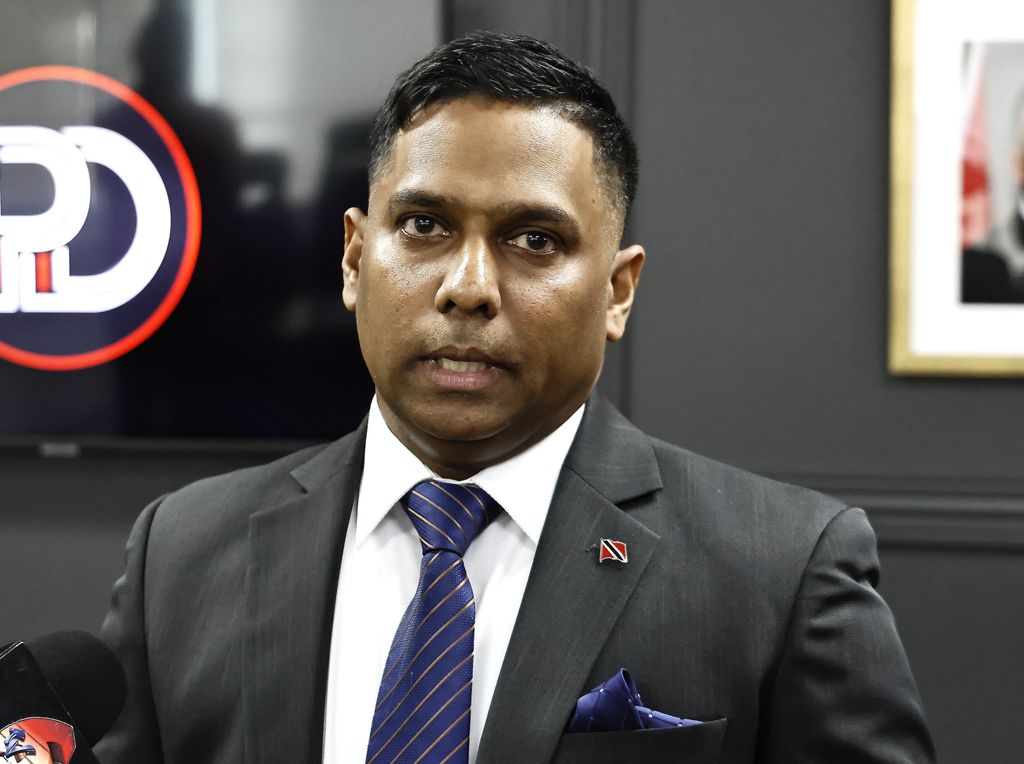
CPO Dr Daryl Dindial confirmed the development to Guardian Media yesterday, describing Cabinet’s approval as the “most important” step towards implementing the new rates for approximately 20,000 workers.
“Cabinet has ratified the agreement with NUGFW for salaries etc,” Dindial said.
Asked how soon the new salaries could be reflected in workers’ pay packets, Dindial said September was now the more realistic timeline because of the remaining administrative work.
Cabinet’s ratification does not mark the end of the process.
Dindial explained that the agreement must now go to the Ministry of Labour for a procedural non-objection, after which the CPO will issue instructions for the new rates to be implemented.
The development represents significant progress after NUGFW president general Christopher Streete complained earlier this week that “somebody dropped the ball” on implementing the increases, which were initially expected to take effect in June or July.
Reacting to the Cabinet approval yesterday, Streete said he was relieved that workers were finally moving closer to receiving their increases.
“I’m happy for the workers. I’m happy for the workers and the union in terms of this settlement that we did, this implementation,” Streete told Guardian Media.
“You know, there’s an old adage that says better late than never. And we can see that it might be late, but it’s happening.”
Streete said the development would be particularly significant for workers who have gone more than a decade without an increase in their rates of pay.
“I am very grateful and I’m most excited for those workers who would not have received any increase in the rate of pay that they’re getting today for the last 12 or 13 years. These members would be happy and their families,” he said.
The NUGFW and CPO signed the agreement in April, covering two bargaining periods between 2014 and 2019. While described as a ten per cent settlement, the consolidation of Cost of Living Allowance (COLA) over the two periods means workers will see an average increase of approximately 17 per cent over their 2013 salaries.
The agreement is expected to cost the State approximately $2.6 billion in arrears while adding another $252 million annually to the public sector wage bill. Approximately 40 per cent of the arrears, valued at around $1 billion, will be paid in cash, while $1.56 billion will be settled through non-cash arrangements.
Dindial yesterday confirmed that the 40 per cent cash component of the arrears will be paid over two fiscal years.
Streete said work on determining the backpay has already started but explained that the arrears cannot be finalised until workers are placed on their new salary rates.
“You can’t calculate the backpay until the new rates go on,” he said.
“For the backpay, for the arrears to be determined, they have to start the new rate. And then we would know, you know, up to when they have to calculate the arrears from.”
Earlier this week, Streete said funding for the new rates had already been allocated during the Government’s June mid-year fiscal exercise and maintained that the delay was administrative rather than financial.
The union represents daily-rated workers across several bargaining units, including skilled labourers, tradesmen and other blue-collar workers. The wage settlement applies to all workers within the affected bargaining unit, regardless of whether they are union members.