
SEIGONIE MOHAMMED
Climate Change Editor
Residential fires in Trinidad and Tobago have increased by 15 per cent in 2026; firefighters are urging citizens to take a closer look at everyday habits that could put their homes at risk.
Charging your cellphone on your bed might seem harmless, but it is one habit the Trinidad and Tobago Fire Service (TTFS) wants people to stop.
“I'm sure that all of us at some point in time would have charged our phones while it's on the bed. That's a no-no. Soft surfaces and lithium-ion products don't go together,” Fire Sub Officer Emon Smart warned.
His advice comes as the TTFS recorded 473 residential fires between January and August 2026, compared with 410 during the same period in 2025, an increase of approximately 15 per cent.
While the Fire Service is still collecting data on fires involving lithium-ion batteries, officers are taking a proactive approach to educating the public about the risks.
At Price Plaza in Chaguanas, firefighters brought those lessons to life during Fire Prevention Week 2026, under the theme “Charge into Fire Safety: Charging Is a Superpower”.
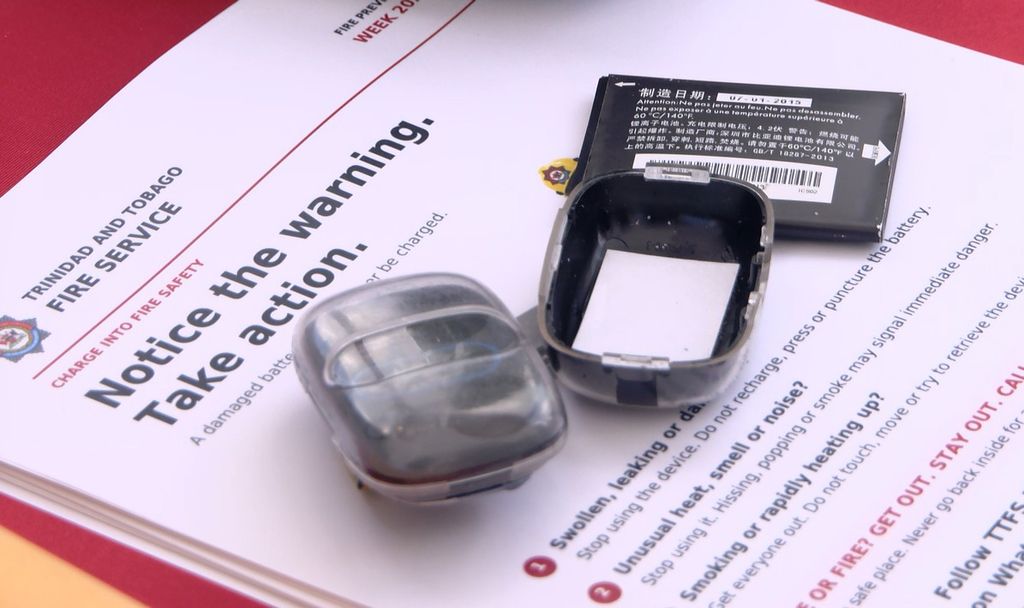
Smart explained that lithium-ion batteries power many devices used daily, including cellphones, laptops, power banks and electric vehicles.
When damaged or overheated, these batteries can experience a dangerous process known as thermal runaway, potentially causing intense fires and releasing toxic gases.
He urged people to charge their devices on hard surfaces, away from clutter and flammable materials, and to watch for warning signs such as unusual heat, burning smells or hissing sounds.
What about electric vehicles?
With electric vehicles becoming another option for motorists, HSM Motors sales representative Jahbel Emmanuel used the event to address concerns about their safety.
“When you buy an electric car, know that you are buying into an ecosystem of advanced technology and research to keep you, the consumer, safe in the event of anything happening to you in that car,” Emmanuel said.
He explained that some electric vehicles feature smart charging systems that allow owners to schedule charging and automatically stop when the selected limit is reached.
However, he stressed the importance of proper home charging installations.
“Firstly, I would say if you are buying an electric vehicle, make sure and get a licensed and a registered electrician to do the install. That is paramount.”
A day in a firefighter's boots
Fire Prevention Week wasn't all lectures and warnings.
Visitors were also invited to experience some of the physical demands of firefighting through an obstacle course involving protective gear, dragging equipment, hauling a hose attached to a tyre and lifting a 150-pound tyre to the finish line.
Interactive activities, including a virtual reality firefighting simulation, gave participants a closer look at the challenges firefighters face.
But amid the excitement, Smart had another reminder for families: prepare for an emergency before it happens.
“Think about it, two o'clock in the morning, who's going to let you know that there's a fire taking place?”
He encouraged households to install smoke detectors, keep escape routes clear and ensure every family member knows how to get out safely.
For Smart, the message of Fire Prevention Week is simple: fire safety doesn't begin when firefighters arrive; it begins with the decisions people make at home every day.
Fire Prevention Week comes to an end on October 10.