
Senior Reporter
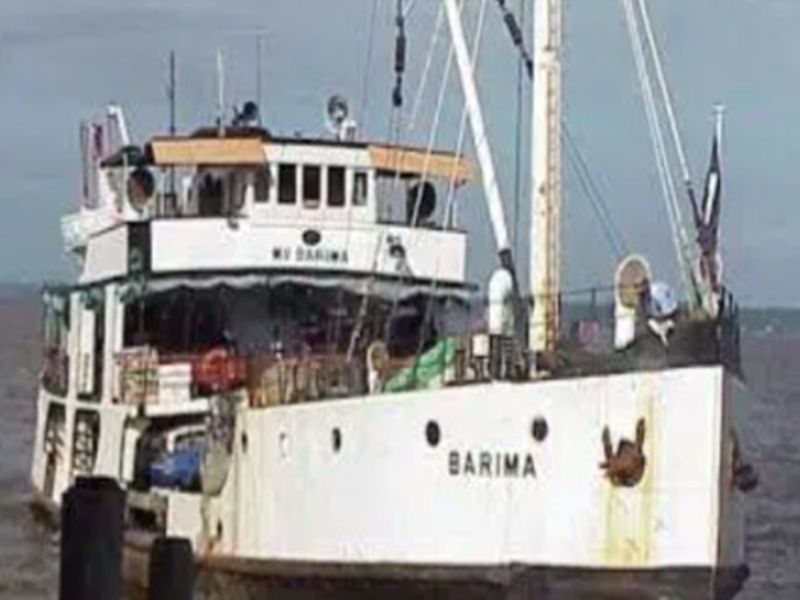
What began as a shipment of food, medicine and relief supplies to earthquake-ravaged Venezuela may have opened the door to repairing one of the region’s most strained diplomatic relationships.
The humanitarian outreach, launched after the June 24 earthquakes, resulted in an exchange of letters between Prime Minister Kamla Persad-Bissessar and Venezuela’s Acting President Delcy Rodríguez, a rare moment of engagement after months of diplomatic tension between the two neighbours.
Analysts say the correspondence does not represent an immediate reset in relations, but it could create an opportunity for both governments to begin rebuilding trust.
The exchange represents a notable shift in tone after relations between the two countries became increasingly strained following political disagreements involving Venezuela’s former president Nicolás Maduro, the United States, and T&T’s foreign policy position.
Venezuela’s National Assembly subsequently declared Persad-Bissessar persona non grata, while questions emerged over the future of cross-border energy cooperation, including the Dragon and Loran-Manatee gas projects.
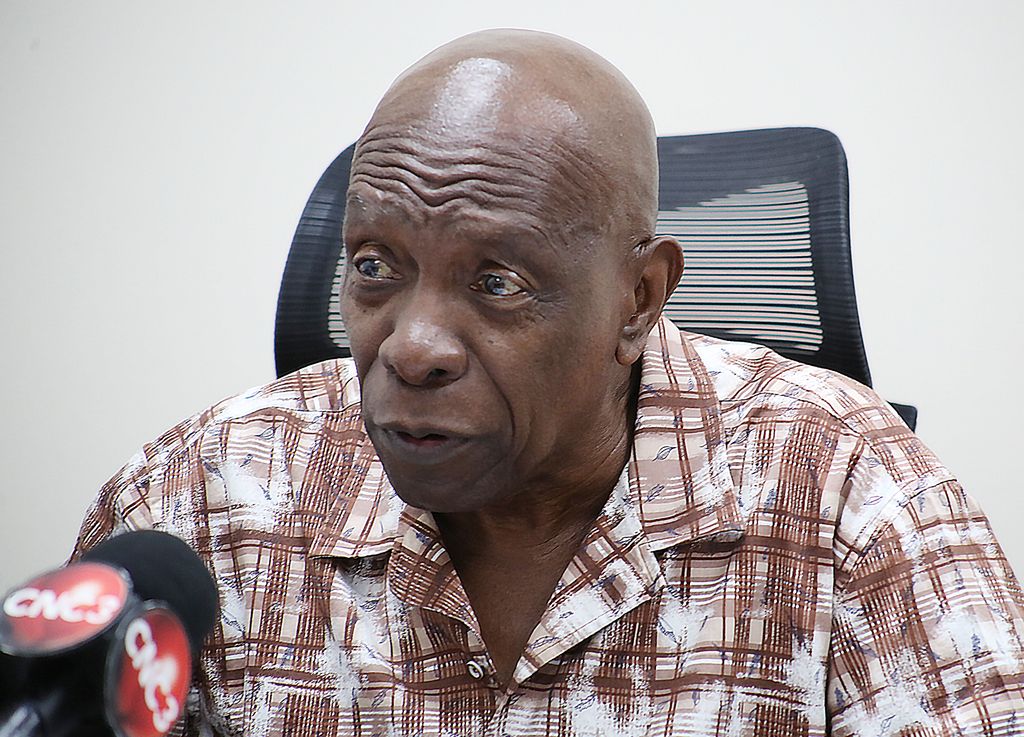
International relations expert Dr Anthony Gonzales told Guardian Media that the humanitarian response created an opportunity for both countries to move beyond those differences.
“The country has gone through tremendous suffering as a result of that earthquake. One cannot continue to harbour grievances and ill will and so forth. One has to let bygones be bygones, and one has to try to patch up differences,” Gonzales said.
He said T&T had a responsibility to assist its closest neighbour, regardless of the political climate.
“I felt Trinidad had to make an extra effort, even if the Acting President of Venezuela was not expressing her appreciation of our expression of solidarity. I felt Trinidad had to go ahead and do something.”
Gonzales believes the exchange of letters suggests relations may be moving in a more positive direction, but said the next step would be formal engagement between the two governments.
“It seems that maybe things may be evolving, and they may be patching up things now and they may be moving forward. You can’t keep these conflicts running unless there’s a lot at stake.”
He said an official meeting between the two governments would be a clearer indication that the diplomatic opening is genuine.
Political analyst Dr Shane Mohammed also views the humanitarian outreach as an important diplomatic signal but said it reflects T&T’s longstanding foreign policy approach rather than a dramatic change in policy.
“It is the right thing to do. It is what is expected. It is expected for us to show up and to do what is right, and that is what is right,” Mohammed said.
While he does not believe the diplomatic dispute has been resolved, Mohammed said the correspondence demonstrates goodwill.
“We have not closed the chapter. What we’ve done is we have opened the door in an attempt to resolve all of the issues, and we have started by showing goodwill.”
He said the current climate could provide an opportunity to revisit Persad-Bissessar’s persona non grata designation.