
Lead Editor - Newsgathering
ryan.ba[email protected]
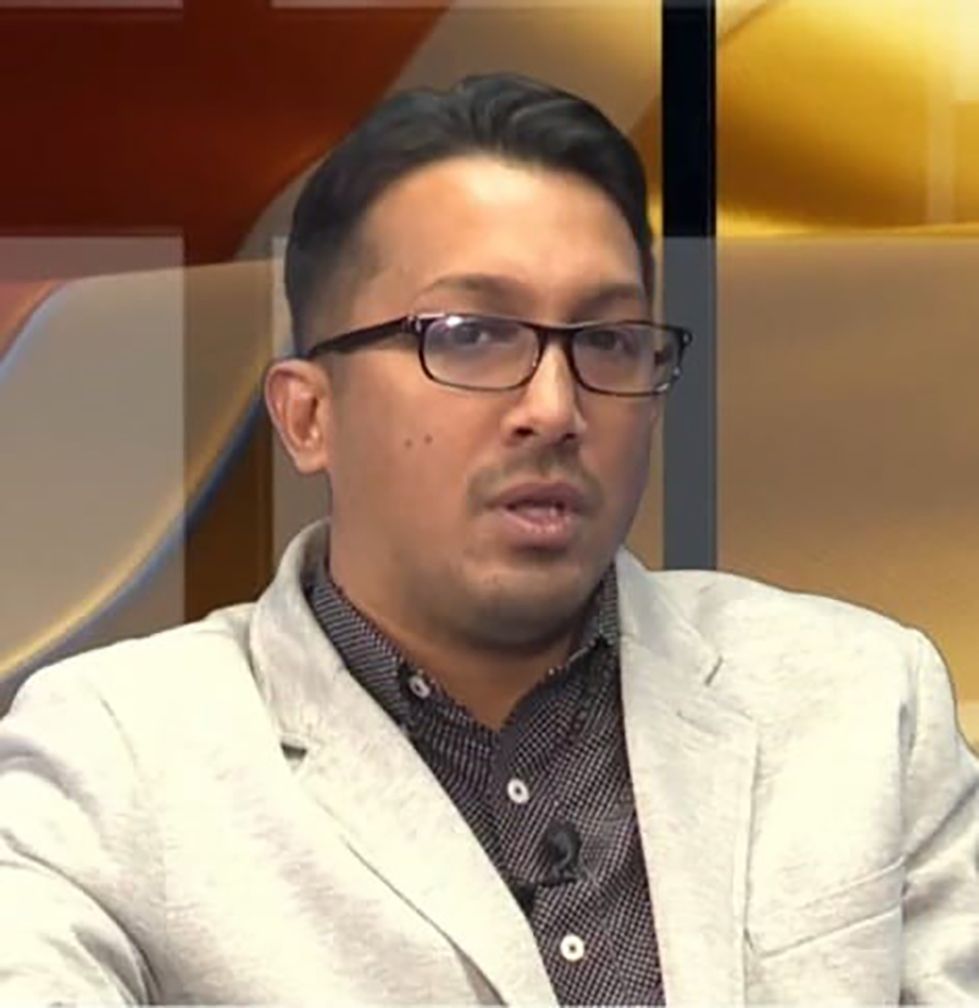
Political analyst Dr Shane Mohammed believes the High Court’s decision to permanently stay the extradition proceedings against former FIFA vice-president and former government minister Jack Warner should prompt a wider review of Trinidad and Tobago’s constitutional and judicial systems, arguing that the decade-long legal battle exposed weaknesses in how justice is administered.
Speaking following yesterday’s ruling, Mohammed said, “I think that Dr Warner is very much deserving of his victory, to be quite frank. I have no apologies about that.”
Warner’s extradition case came to an end after Justice Karen Reid ruled that continuing the proceedings would amount to an abuse of process, bringing to a close litigation that had reached the Judicial Committee of the Privy Council.
Mohammed said he had confidence that the court’s conclusions were well supported.
“I am almost 100 per cent certain the judge is resounding in her judgment and her conclusions,” he said.
Rather than focusing solely on the outcome for Warner, Mohammed said the case should reignite discussion about constitutional reform and the need to speed up the delivery of justice.
“Ten years is a long time. I consistently say that we need to reform our systems to ensure that people receive justice much swifter than it is delivered now.”
Mohammed argued that successive governments have failed to modernise the country’s constitutional framework and called on the current administration to take advantage of its parliamentary strength.
“After 50 years, I think we have to re-examine the separation of powers and ensure that this is extremely rigid,” he said.
He added that Government’s constitutional majority presents what he described as a rare opportunity to undertake meaningful constitutional reform.
“What better person to reform our systems than the person who has it for a second time in recent years?” Mohammed asked.
Addressing the broader political implications of the case, Mohammed maintained that Warner had been turned into “a political football” internationally and domestically. He argued that political opponents and other interests sought to damage Warner’s public reputation despite the former minister’s significant contributions to many communities.
“I feel as though people and political entities in Trinidad and Tobago somehow used one of the most charismatic and successful politicians in the country and tried to destroy his name and the impact that he’s had on society,” he said.
According to Mohammed, public discussion about Warner has often overlooked the assistance and opportunities he provided to many citizens.
“We tend to make Dr Warner a villain when, for a lot of people, he has been a hero,” he said.
“We have to give credit to him for having that ability to reach out to people and create opportunities.”
He acknowledged that Warner’s public record has been controversial but argued it should not erase the positive aspects of the former politician’s legacy.
“It’s not all bad. We can’t ignore the good,” he said.
Drawing on his own experiences, Mohammed said his views were informed by years of observing and interacting with Warner.
“I’ve sat alongside him, I’ve interacted with him, I’ve worked with him, and I have observed him,” he said.
“I believe that he was made a political football, and people can interpret it how they want, but he was very deserving of his victory.”