
Senior Reporter
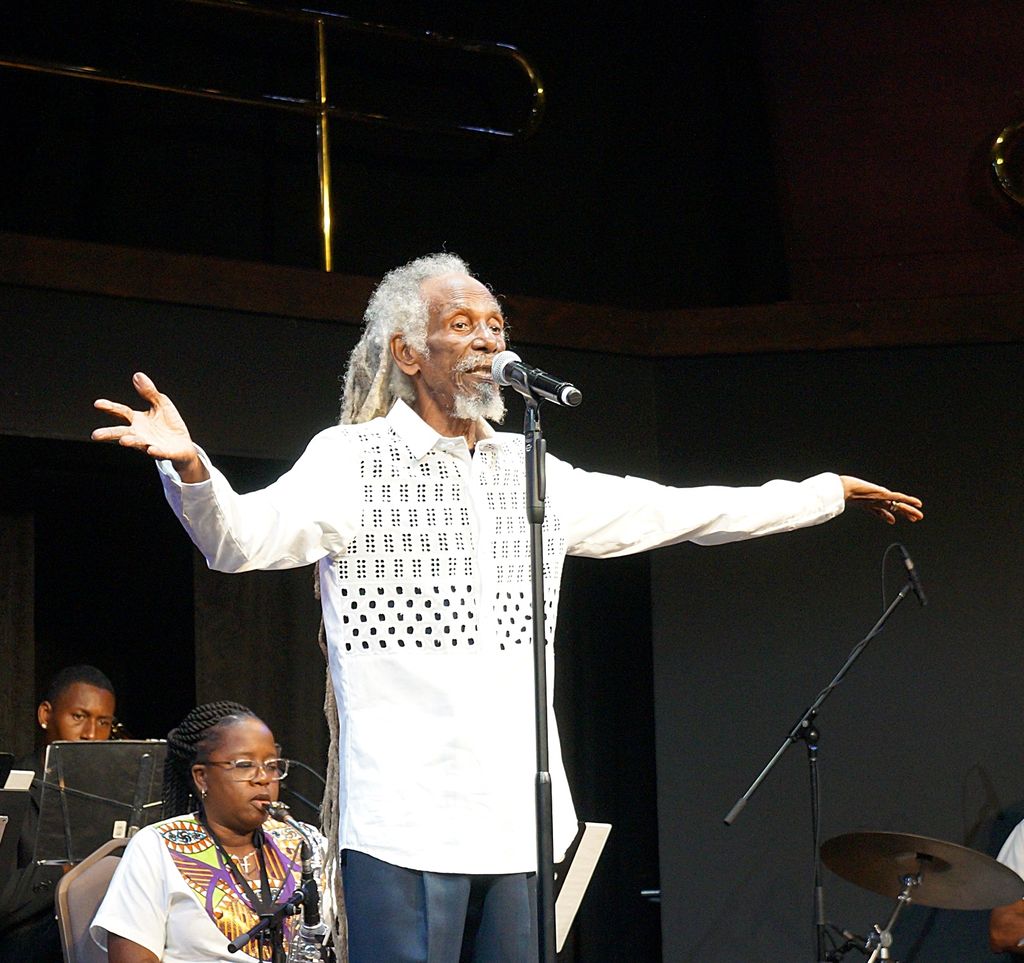
Emancipation Support Committee member Shabaka Kambon says Britain’s colonial narrative continues to shield the Crown from accountability, as King Charles III stopped short of an apology and reparations commitment during the opening ceremony of the Commonwealth Heads of Government Meeting in Antigua and Barbuda yesterday.
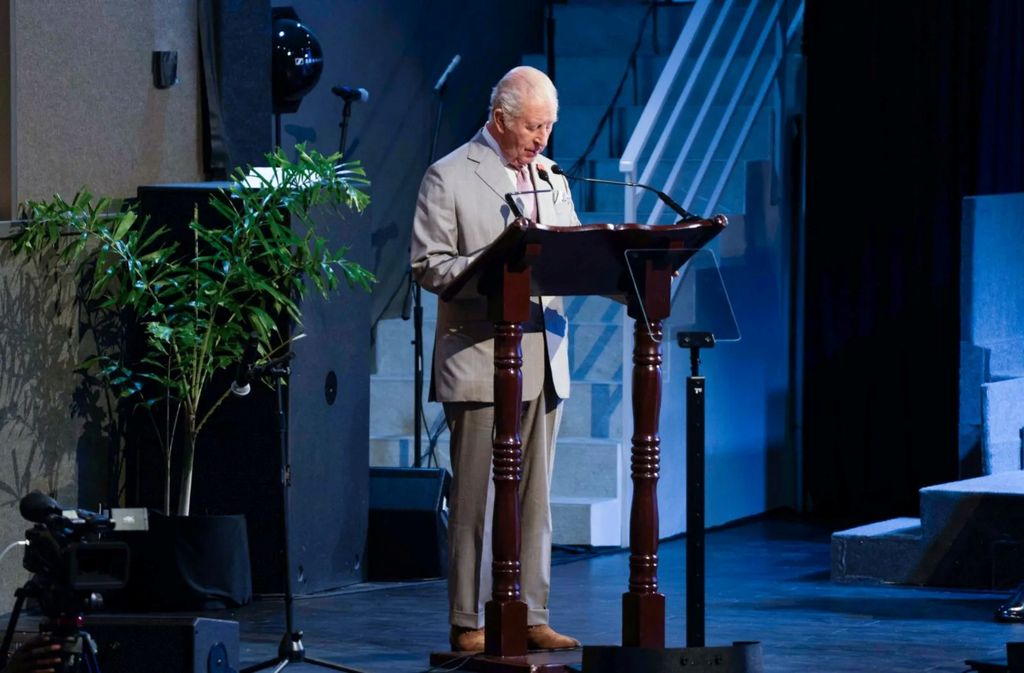
King Charles III described the transatlantic slave trade as a shameful chapter of history that fills his heart with horror and his soul with profound personal sorrow.
“We cannot change the actions of those who came before us. We can, however, learn from the past,” he said.
But the British monarch’s latest acknowledgement of slavery has done little to satisfy those demanding an apology and reparatory justice, with Kambon insisting that Britain must do more than offer carefully worded expressions of regret.
Speaking with Guardian Media, Kambon described the King’s position as a continuation of Britain’s longstanding refusal to apologise, arguing that the country continues to promote a colonial interpretation of history that emphasises its eventual role in abolishing the slave trade while downplaying its own involvement in the crime.
Kambon said that position was unacceptable in 2026, particularly as the international community increasingly recognises the transatlantic slave trade and chattel slavery as among humanity’s gravest historical crimes.
“It is not acceptable for the King or anybody representing the Crown or the British government to come to the Caribbean on such a visit and not express a sincere apology for this crime. Platitudes aren’t enough,” he said.
He argued that the British monarchy has a particular responsibility to acknowledge its historical involvement, pointing to the King’s ancestors, who he said invested in, participated in and benefited from both the trafficking of enslaved Africans and their enslavement throughout the Caribbean.
For Kambon, this is not simply about acknowledging historical suffering, but confronting the institutions and individuals who benefited from it.
Former prime minister of St Vincent and the Grenadines Ralph Gonsalves also believes the King should eventually issue a formal apology, but welcomed his willingness to engage in an honest and mature conversation about slavery and its enduring consequences.
Gonsalves, a senior figure in the reparatory justice movement, said he remained hopeful that Charles would eventually express regret through a formal apology.
The debate over slavery and reparatory justice unfolded against the backdrop of the 2026 Commonwealth Heads of Government Meeting.
King Charles III joined leaders from across the Commonwealth at the opening ceremony in St John’s, where the focus was on mobilising investment and building partnerships to improve the lives of the organisation’s 2.7 billion people across 56 member countries.
The meeting is also breaking new ground by bringing heads of government into direct discussions with business leaders, investors, international financial institutions and philanthropists.
In his address, Charles warned that international trust was under severe strain, with conflicts, rapid technological transformation and climate change presenting major challenges to the global community.
He described the Commonwealth as an unparalleled opportunity for countries to work together, drawing on the collective ingenuity of a third of humanity to confront those challenges.
Antigua and Barbuda Prime Minister Gaston Browne described the summit as a consequential CHOGM, pointing to US$200 million mobilised through the Nature Initiative and US$1.3 billion announced through the Global Eye Health Summit.
Meanwhile, Trinidad and Tobago’s Foreign and Caricom Affairs Minister Sean Sobers undertook several diplomatic engagements yesterday as he represented the country at the Commonwealth meeting.
According to updates from the ministry, Sobers held bilateral discussions with Ghana’s Minister of Local Government, Chieftaincy and Religious Affairs, Mahama Ayariga.
He also met with the United Kingdom’s Secretary of State for Foreign, Commonwealth and Development Affairs, Ed Miliband.
Earlier in the day, Sobers also represented Prime Minister Kamla Persad-Bissessar at a high-level breakfast meeting with Canadian Prime Minister Mark Carney and fellow Caricom Heads of Government.
Sobers said the discussions underscored the importance of maintaining strong relationships with regional and international partners.