
Shastri Boodan
Artificial intelligence should help people make informed decisions, not replace their ability to think critically, exercise sound judgement and distinguish truth from misinformation.
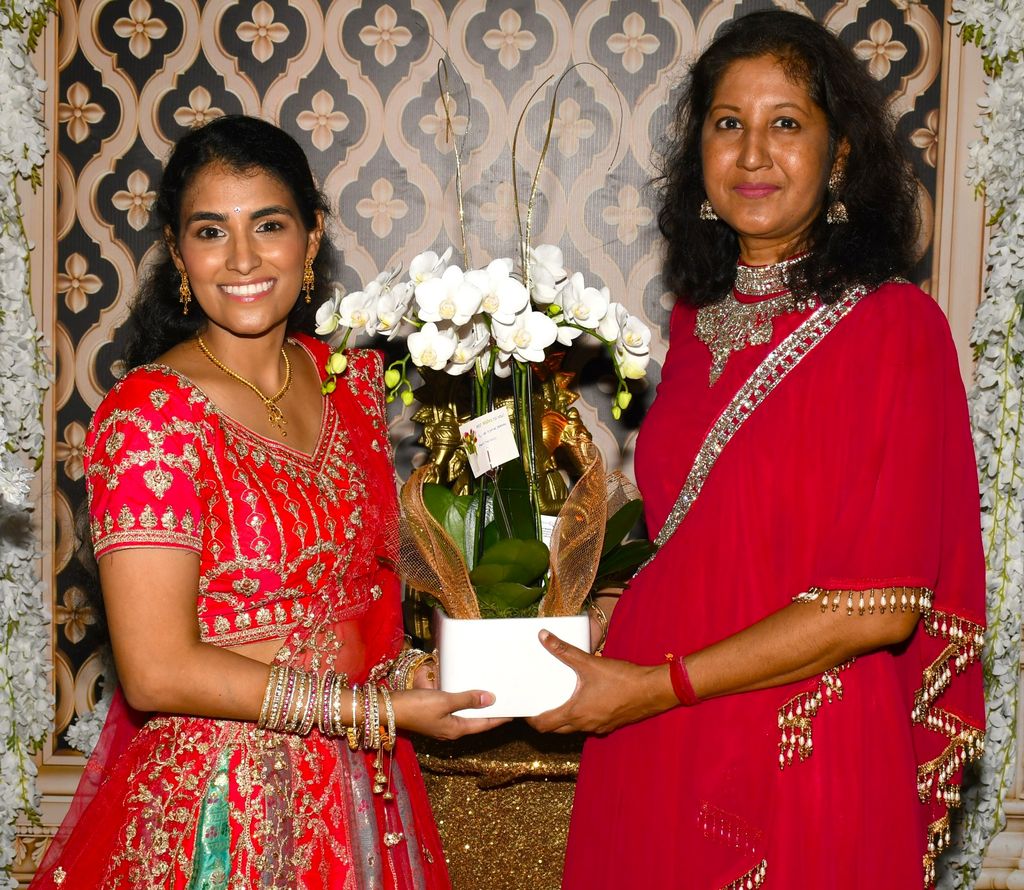
That was the message from Dr Vandana Divya Jyothi Persad, who delivered the feature address at Sunday's Divali Nagar celebrations, under the National Council of Indian Culture's (NCIC) theme, Vivek – discerning truth in the age of AI.
“Artificial Intelligence is no match for natural stupidity,” Persad told the audience, warning that people risked using technology to reinforce existing beliefs rather than challenge their thinking.
She cautioned that AI-generated information could be outdated, inaccurate or misleading, even when presented confidently.
Persad said medical professionals could not automatically accept everything published in scientific journals, but had to assess the quality of research, methodology and findings before determining whether they were relevant to patients.
She cited the ongoing debate surrounding fluoride as an example of why people should examine scientific evidence rather than accept the first article returned by an online search.
“Information is not necessarily knowledge. Knowledge is not necessarily understanding. And having an answer does not necessarily mean you have the right answer,” she said.
Persad also examined how technology and social media influenced personal identity, particularly the expectations placed on women.
She said society often prescribed a sequence for achieving success, from obtaining academic qualifications and establishing a career to getting married and starting a family. Social media had intensified those pressures by exposing people to carefully curated portrayals of other people's achievements and lifestyles.
Reflecting on her experience in healthcare management at the family-owned Sanjivani Women's Hospital, Persad acknowledged that technology had helped streamline operations, analyse performance and assist with financial audits.
However, she stressed that technology could not replace the integrity and accountability required in leadership.
“I can delegate tasks to technology. I cannot delegate integrity,” she said.
She also highlighted sewa, or selfless service, as an important expression of faith, warning against becoming so focused on efficiency and automation that the human element of work was overlooked.
Linking her message to Divali, Persad said the festival's celebration of light over darkness, good over evil and knowledge over ignorance should extend beyond the annual observance.
She urged people to practise kindness, honesty and compassion in their everyday lives.
“The light we celebrate during Divali should not simply be something we illuminate our homes with. It should be something we carry into the way we live, the way we treat people and the decisions we make every single day,” she said.
Persad said people's greatest strength would remain their ability to discern truth, recognise what was right and act with compassion.
“AI may help us find answers. But it is Vivek that helps us decide which questions are worth asking, which answers are worth trusting and what we choose to do with the knowledge we acquire,” she said.