
Jesse Ramdeo
Senior Reporter
Two religious leaders are sounding the alarm over increasingly hostile political rhetoric, calling on Prime Minister Kamla Persad-Bissessar and Opposition Leader Pennelope Beckles to temper their language before racial undertones and personal attacks deepen divisions in the country.
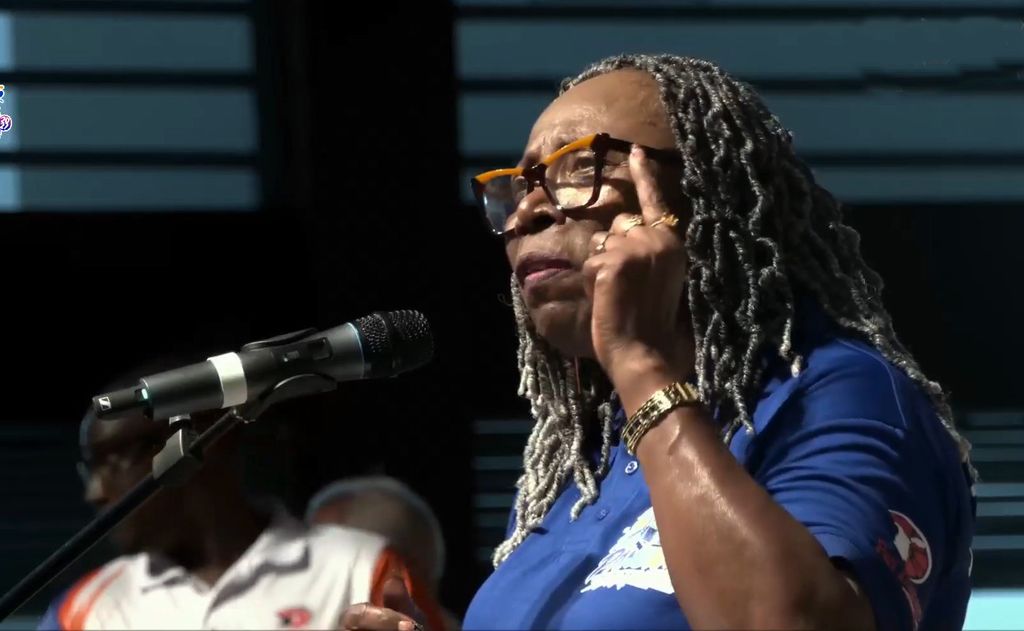
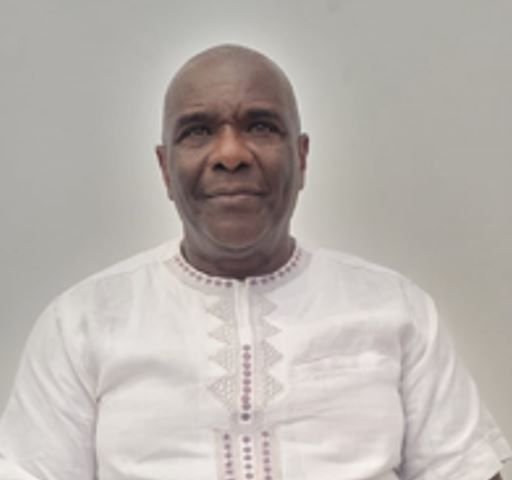
Inter-Religious Organisation president Dr Ellis Burris and Seventh-day Adventist Pastor Clive Dottin say the escalating war of words between political leaders is sending the wrong message to the population, warning that the consequences extend far beyond the political arena.
Their concerns come amid a recent public exchange between Persad-Bissessar and Laventille West MP Kareem Marcelle, which has been marked by personal insults, accusations of racism and references to racial divisions within the country’s plural society.
The latest confrontation followed a dispute over electricity restoration in Beetham Gardens and Laventille after Saturday’s fire at a Telecommunications Services of Trinidad and Tobago compound in Laventille.
During the heated exchange, Prime Minister accused Marcelle and his supporters of harbouring hatred towards Indians and Africans who support the United National Congress, describing the MP’s conduct as “swine behaviour” and suggesting that some people could be taken out of the gutter without losing their bitterness.
Marcelle responded by describing Persad-Bissessar as an “old, senile, wicked and evil woman drunk with power” and accusing her of pursuing a racist and apartheid agenda.
For Burris, however, the problem runs deeper than political disagreement.
“Racism is a spiritual disease,” he said, arguing that prejudice is learned rather than something people are born with.
Speaking with Guardian Media yesterday, Burris said the country’s leaders must recognise their responsibility to set an example, warning that the language used at the highest levels of government and opposition can influence attitudes throughout the wider community.
“You have to be tempered and balanced in your language,” he said, adding that individuals must pay closer attention to what they say because “it doesn’t affect them only, it affects the entire community.”
While Burris acknowledged the potential for an escalation in the war of words, he emphasised the need to intervene before the situation deteriorates further.
His message to the Prime Minister and Opposition Leader was direct: “They must show love, true love, not only to each other, and respect their office.”
Meanwhile, Pastor Dottin said the country was approaching a point of “overkill”, expressing deep concern about the direction of political communication and the apparent widening gap between Government and Opposition.
“I am concerned, I am very, very concerned about the language,” he told Guardian Media.
Dottin questioned whether there would be an opportunity during the current parliamentary term for the Government and Opposition to sit together outside Parliament and reach consensus on how to manage the country’s affairs.
He said Trinidad and Tobago was facing serious challenges that required cooperation, not further political hostility.
But he fears the increasingly inflammatory rhetoric is making such cooperation more difficult.
Dottin also pointed to controversy surrounding the Divali celebrations at the National Council for Indian Culture (NCIC) in Chaguanas, including resignations from the board and public accusations and counter-accusations, as another source of concern.
He stressed that political disagreements were inevitable, but warned that racial slurs and the repetition of offensive language in retaliatory exchanges only compounded the problem.
“We have to eliminate that from our language. We have to refuse to use it,” he said.
Dottin argued that in a society comprising different ethnic, religious and social groups, political leaders must recognise the importance of building bridges rather than widening divisions.
He called for an urgent meeting between the Prime Minister and Opposition Leader to establish a clear commitment to removing inflammatory expressions from political communication.
Dottin acknowledged that political sparring and picong were part of the country’s political culture, but said there was a distinction between spirited exchanges and attacks that become deeply personal, hostile and potentially harmful.
Related News
UN condemns US economic embargo of Cuba though more nations sit out after Trump administra...
NFM latest to withdraw Divali Nagar sponsorship
Kenya confirms third Ebola case, a relative of the first patient who died