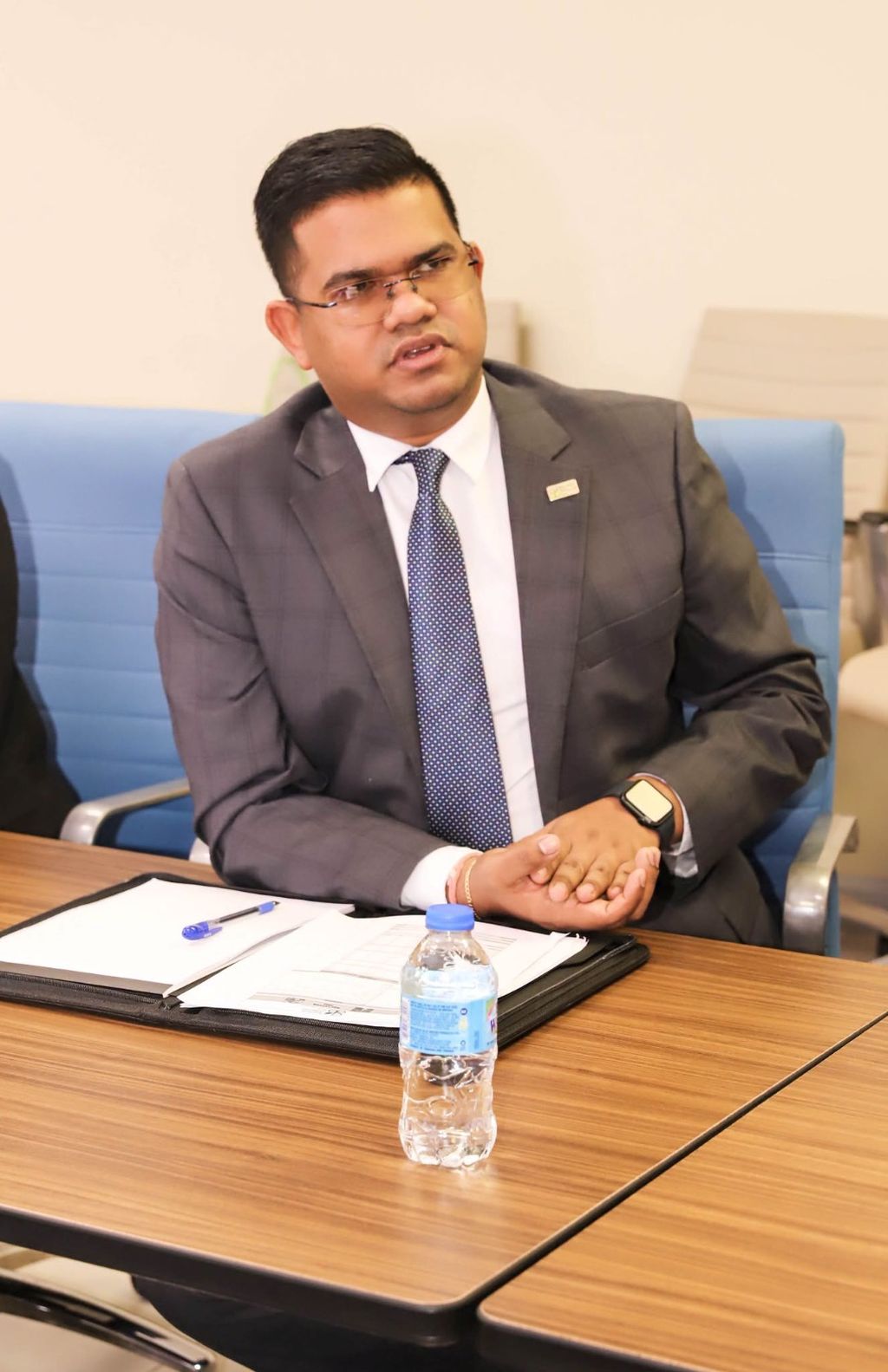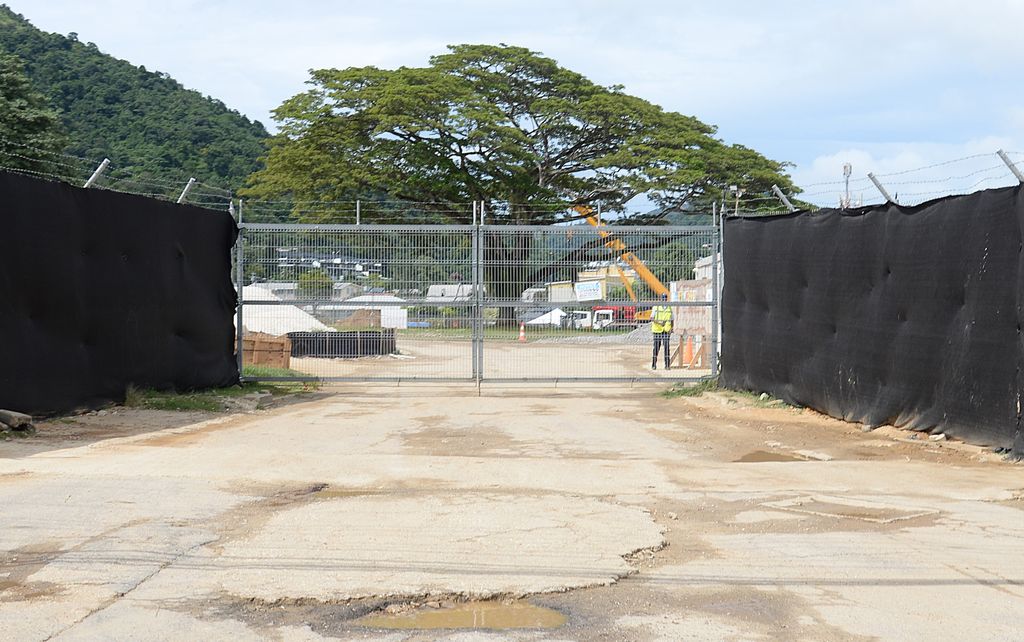

The US Embassy had to wait three months, between May and August 2025, to get a sanitary determination to erect temporary living quarters for the workforce constructing its new facility, according to Planning Minister Kennedy Swaratsingh yesterday.
"The reputational cost to TT as an investment determination of a three-month wait for a duplicated sanitary review is unacceptable," Swaratsingh added during yesterday's Senate debate on the Public Health (Amendment) (No. 2) Bill, 2026.
The bill was passed with Senators' unanimous support. The bill was passed in the House of Representatives last week. It will remove duplication of approvals in the construction process which causes delays. It removes the stage for the County Medical Officer of Health's (CMOH) input from the building permits process.
Swaratsingh detailed how the CMOH stage lengthened the time projects took, delaying them. "That's why it sometimes takes years for projects to get approval," he added, noting the CMOH stage costs applicants about $100 million annually.
He said over ten years, that was close to $800 million, and delays cost TT's economy, particularly where investment is concerned.
Citing a case which the UNC Government faced when it entered office, Swaratsingh said, "The United States Embassy planning matters illustrate the problem precisely and it is a matter that the Ministry of Health itself had cited as an instance in which that Ministry had to intervene."
"In March 2025, the Embassy applied to Town and Country Planning Division through DevelopTT to erect temporary living quarters for the workforce constructing its new facility. In May 2025, Town and Country granted approval during the sanitary determination period. The application then went to the County Medical Officer of Health, where it remained from May until August 2025, approximately three months," Swaratsingh said.
Approval was obtained, "...only after intervention of the line minister."
He noted: "First, the Statutory Planning Authority discharged its function on time, the delay arose entirely at the duplicative state. Second, the matter was resolved not by the system but by ministerial intervention, which is neither scalable nor available to ordinary citizens building homes.
"And third: the applicant was a sovereign mission, building accommodation for the workers constructing a major diplomatic facility. The reputational cost to TT as an investment determination of a three-month wait for a duplicated sanitary review is unacceptable."
Swaratsingh added, "For a project worth $100 million, a three-month delay of this kind represents about $2.25 million of construction costs, roughly two per cent of the value of the project. According to DevelopTT, three months is an average wait for a non-residential applicant at the CMOH. The Embassy's experience wasn't an outlier. It was the ordinary experience of a commercial applicant in TT," he said, noting no measures were taken over the last ten years to address issues associated with the bill.
Opposition PNM Senator Foster Cummings, who said the PNM supported the bill, noted that genuine duplications in the system and elsewhere should be removed.
Noting local government corporations having CMOH functions, Cummings said he hoped 2027 Budget allocations to corporations would be improved to handle that.
He also queried what would happen to the rest of the development process once the bottleneck at issue in the Bill is removed. Cummings warned against removing bottlenecks from one area and causing others in another location. He queried what else would be done in the wider approval process.