Emancipation Village to place focus on African consciousness, cultural heritage
 24 July 2026

Senior Reporter
As Trinidad and Tobago marks 188 years since emancipation, the Pan African Festival returns today with a renewed call to deepen understanding of African history, culture and identity while confronting the legacies of colonialism.
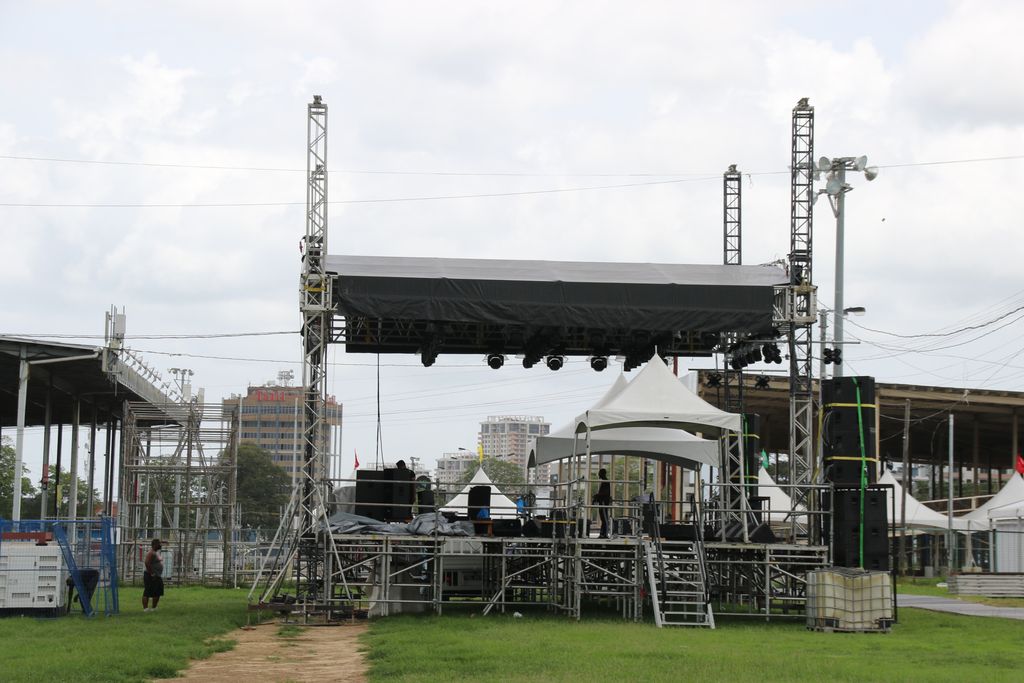
The eight-day celebration, held under the theme “Igniting African Consciousness: Dismantling Colonial Legacies,” opens at 10.30 am at the Lidj Yasu Omowale Emancipation Village at the Queen’s Park Savannah and continues until August 1.
The festival is organised by the Emancipation Support Committee (ESC) as part of the country’s annual observance of Emancipation Day, which commemorates the end of slavery and the freedom of enslaved Africans.
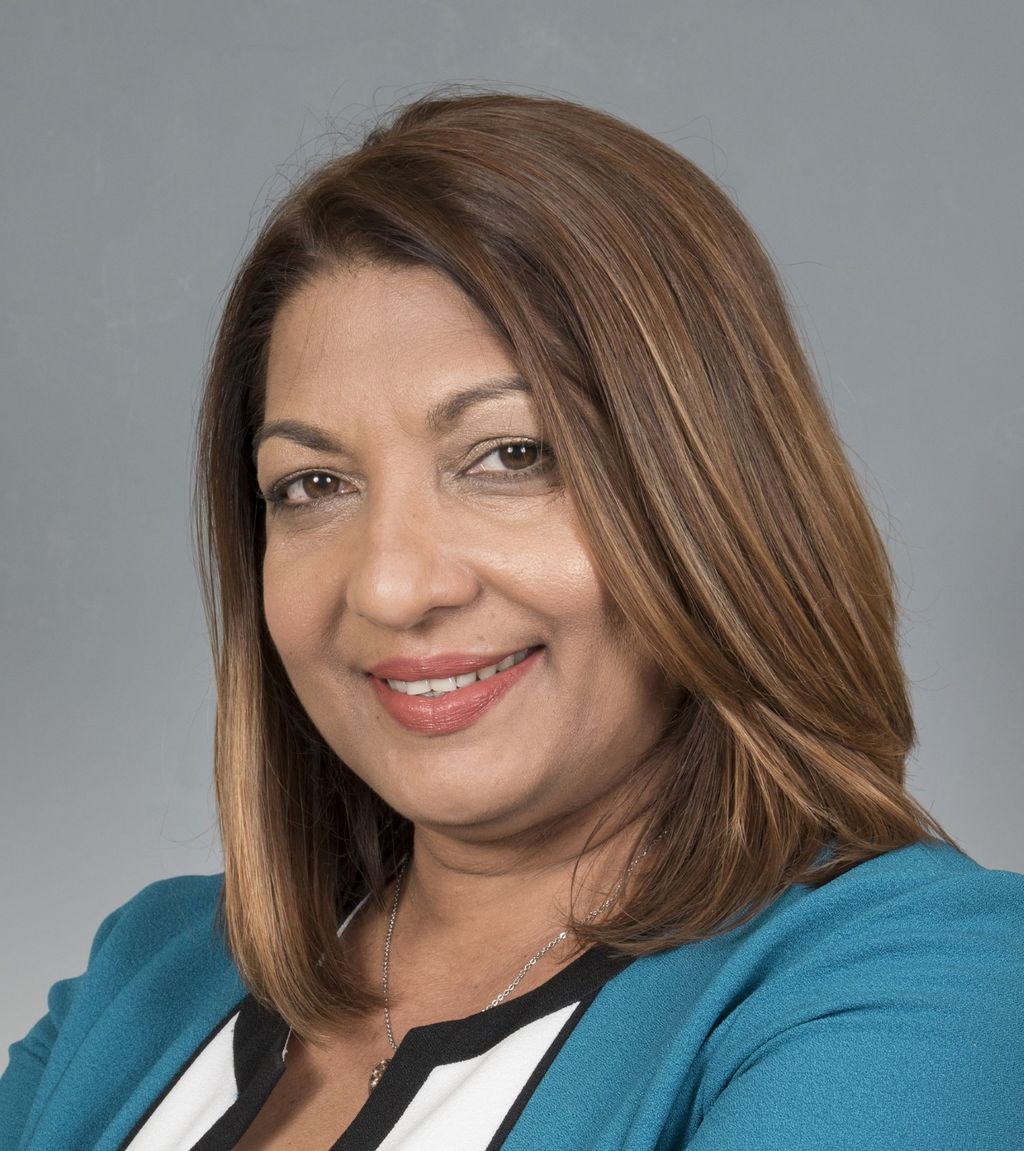
Dr Asha Kambon, director of public education and communications at the ESC, said that while the organisation continues to face challenges in securing resources, this year’s programme is expected to provide a memorable experience for the public.
“We never have enough resources, so let me start there,” Kambon said.
She said the eight-day commemoration requires significant support, noting that other festivals often receive greater resources even when they are held for shorter periods.
“Any other festival, if it’s one day alone, those festivals are well-resourced, well-supported. We are not so fortunate, let’s put it that way,” she said.
“So definitely, whatever resources we are receiving, it’s not enough. I can tell you that.”
Despite those challenges, Kambon said the ESC remains grateful for the support it receives from service providers and others who continue to assist with the festival.
She said service providers understand the importance of the event and continue to work with the organisation despite delays in receiving payment.
“They come, and they work, and they give us service, and they understand that it’s really going to take some time to be able to be paid for the services that they provide for us, because very often we do not receive the resources to support the festival in time to be able to pay our service providers.”
Kambon said this year’s programme is expected to appeal to the public from the opening ceremony through to the final day.
“I think when you look at the programme this year, it is spectacular. I think people are going to love it from the opening to the end.”
One of the highlights will be Shikamoo to SuperBlue, a tribute to veteran soca artiste SuperBlue, which has already attracted attention.
Kambon explained that Shikamoo, a Swahili word meaning “praise to our elders,” is a programme that honours performers from Trinidad and Tobago and the Caribbean who are now elders in the performing circles.
Previous honourees have included Chalkdust, David Rudder, Ella Andall and Relator.
Kambon said the programme acknowledges the contributions of these performers through tributes by younger artistes while also providing financial support.
“We have found a way to give praises to them, both in terms of acknowledging their performances through song and so on by younger performers, but also in ensuring that there is some sort of financial support given to the artists.”