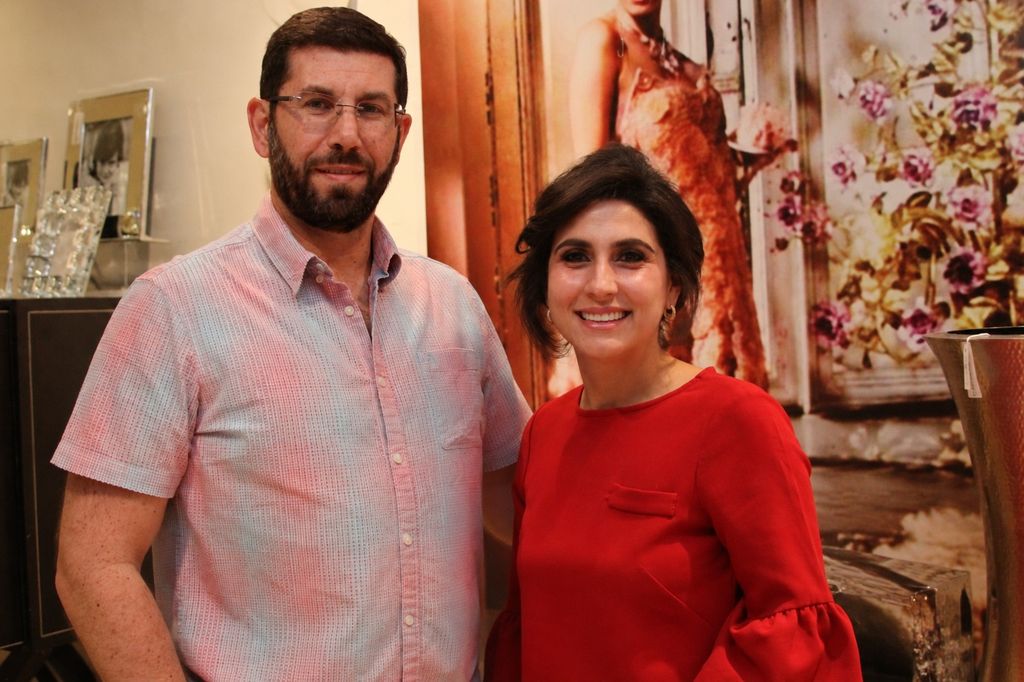
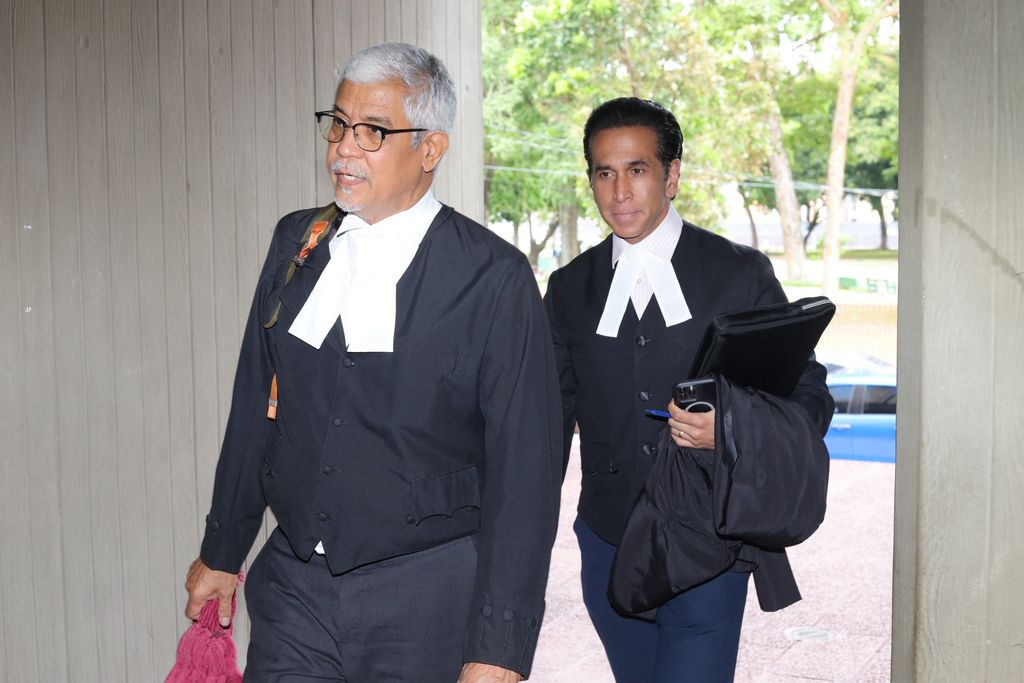
Attorney: Appeal Court only reviewed whether Hadeeds should stay in detention during their PDO challenge
 18 July 2026
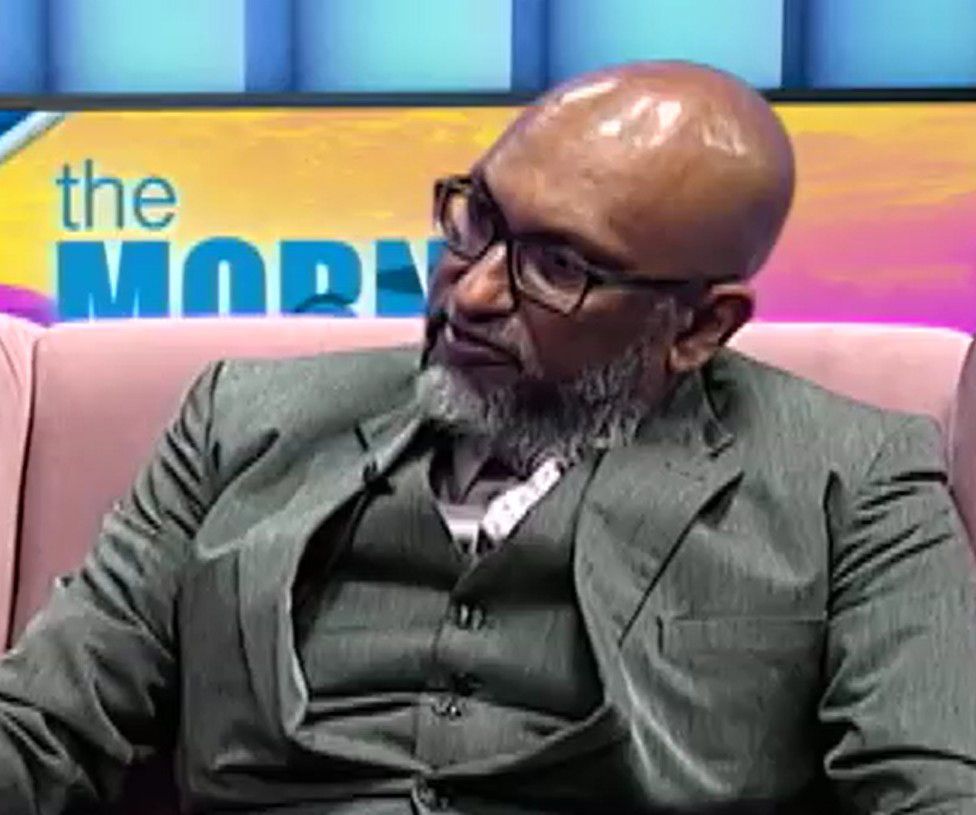

Attorney Fareed Ali says the Court of Appeal’s decision to order the release of businessman Dominic Hadeed and his wife Genevieve did not determine whether the allegations against them were valid, but instead addressed whether they should remain in custody as their legal challenge proceeds.
Speaking during an interview on CNC3’s The Morning Brew yesterday, Ali explained the legal issues surrounding the case, after the Court of Appeal ordered their release and the State subsequently secured a stay pending an appeal to the Privy Council.
The Hadeeds were due to be released on Thursday after the Appeal Court overturned an earlier High Court decision and ordered that they be placed under house arrest while their constitutional challenge proceeds. However, before they could be released from prison, the State secured a stay of the release order, pending an appeal to the Privy Council, leaving the couple behind bars.
Ali outlined the timeline leading to the matter, explaining that after their arrest on June 24, the Hadeeds were initially held for 48 hours before Minister of Homeland Security Roger Alexander issued Preventive Detention Orders (PDOs) allowing authorities to continue detaining them under the State of Emergency.
He said the PDOs are based on intelligence alleging that the couple and another relative were involved in a conspiracy that posed a threat to public and national security. He stressed that those allegations remain to be determined by the courts.
He stressed that the Appeal Court’s ruling was procedural rather than a determination of the allegations.
“The Court of Appeal did not rule that they are free, meaning that they are free of all these allegations,” Ali said.
He said the court considered whether the Hadeeds should remain in custody while the substantive constitutional challenge is heard, not whether they were innocent or guilty of the allegations against them.
Ali said the Appeal Court also recognised the minister’s legal authority to issue PDOs.
“What the court has done has not rendered the actions of the Minister of Homeland Security unlawful,” he said.
Instead, he explained that the question of whether there is sufficient evidence to justify the detention orders remains a substantive issue to be determined by the High Court.
Ali also addressed the allegations underpinning the PDOs. He said the orders allege there was a conspiracy to assassinate the Prime Minister and members of Government, but argued that the Court of Appeal considered that the PDOs did not contain sufficient particulars to justify keeping the Hadeeds in detention without conditions while the substantive case proceeds.
According to Ali, the detention orders do not explain the evidence linking the Hadeeds to the alleged conspiracy, identify any agreement to carry out the alleged killings or outline what steps were allegedly taken towards executing the plan.
He explained that a conspiracy allegation requires more than an alleged conversation, saying investigators would ultimately need to establish an agreement and actions taken in furtherance of the alleged offence. Ali added that while there has been public discussion about intercepted communications, the Hadeeds deny having such conversations and that the State had not publicly disclosed the source of its intelligence or explained how the alleged information supports the conspiracy allegations.
Addressing comments that the case highlighted unequal treatment before the law, Ali rejected suggestions that race, ethnicity or social standing should influence judicial decisions.
“The Hadeeds ought not to be treated in any special way, different from the man who lives in Beetham, Morvant, Carenage or any other part of Trinidad and Tobago,” he said.
Looking ahead, Ali said the next stage is expected to be an emergency hearing before the Privy Council. He said seeking the appeal is within the State’s legal rights and noted that had the Appeal Court ruled against the Hadeeds, they too could have sought relief before the Privy Council.
Ali said the Privy Council will decide whether the Hadeeds should remain in custody pending the substantive constitutional challenge, while the underlying allegations relating to conspiracy, national security and public safety will continue to be determined separately by the courts.
He stressed that the issue currently before the courts concerns the couple’s detention pending the hearing of the substantive constitutional claim, rather than the determination of the allegations themselves.