
Senior Reporter
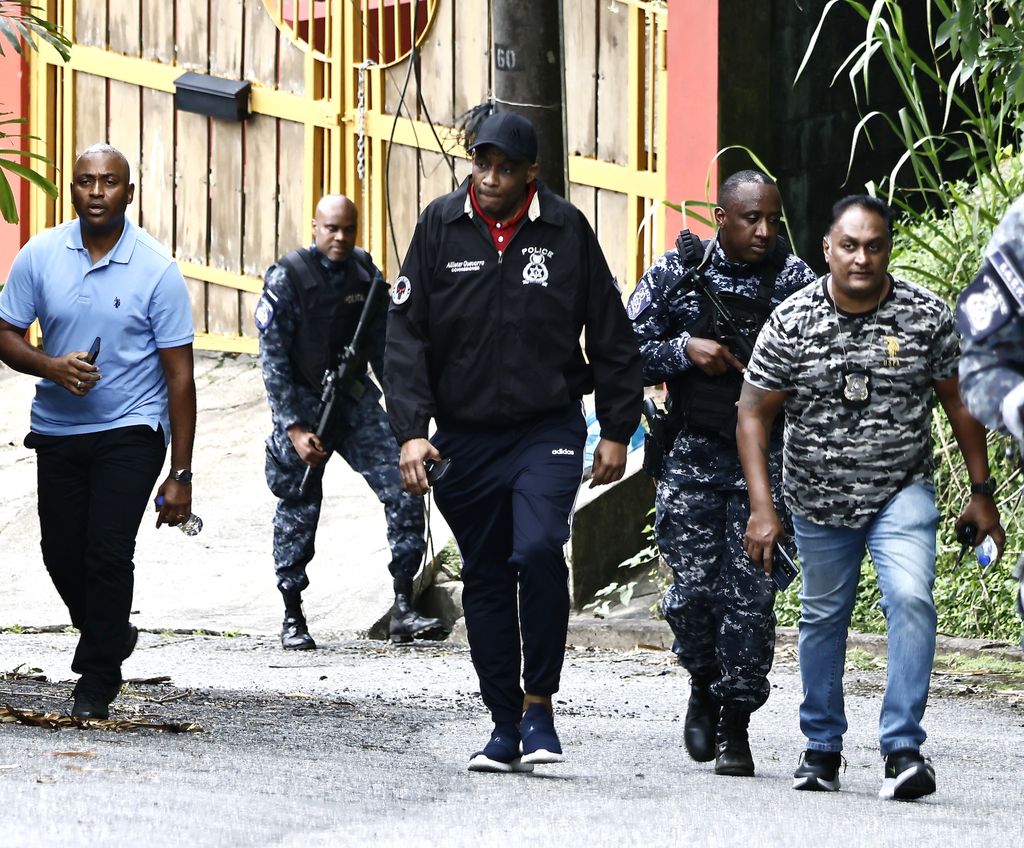
Security experts say successive states of emergency have defined Commissioner of Police Allister Guevarro’s first year in office, reshaping how the T&T Police Service (TTPS) deploys resources and fuelling debate over whether the organisation is operating within crisis conditions or a long-term policing model.
Guevarro was appointed Commissioner of Police in June 2025, taking command of the TTPS at a time when national security operations were already shaped by emergency policing frameworks.
Criminologist Darius Figuera yesterday said the first year of Guevarro’s tenure has been defined by that operating environment.
“The commissioner, the present new commissioner’s first year has been a year of state-of-emergency policing,” Figuera said.
He said repeated use of emergency measures concentrates police resources on immediate threats to the State.
“In that situation, it means the resources that you can apply to serial rapists, serial murderers, serial robbers, something has to give.”
Figuera said this has implications for wider policing functions.
“In persistent states of emergency, very important aspects of the entire focus of the TTPS fall by the wayside,” he explained
He also pointed to long-standing structural challenges within the organisation, which he titled The Four Horsemen of the Policing Apocalypse: promotion, discipline, command and control and organised crime within the TTPS.
Figuera said it was too early to fully assess the commissioner’s performance under continued emergency conditions. He said leadership assessment is more meaningful outside of that framework.
“So, it will be better to judge him when we’re outside of a state of emergency,” he said.
Meanwhile, former commissioner of police Garry Griffith believes the majority of citizens would rate Guevarro’s first year in office poorly if asked. He said while many people may have negative comments about the CoP, the role is among the most demanding public positions in the country, alongside the national men’s football coach.
“As it pertains to the Commissioner of Police, you can be doing the right things for six, seven months, and just one thing and just one mistake you make, people are going to remember you for it,” Griffith said.
“I think we also need to appreciate the fact that Mr Guevarro was just thrown to the wolves. It was a baptism of fire. To be a commissioner of police, I think you need to have at least 15 years of experience at a senior management level in law enforcement, and I do not think he actually had that. He was like a superintendent, who is middle management.”
Griffith said the transition from middle management to leading a national police service is significant, given the scale of operational responsibility. He said moving from supervising small units to overseeing the full organisation requires a major adjustment in leadership capacity.
“It may not take a year for that person to be able to move from that OJT to being a successful senior manager in an institution with 7,500 police, 100 stations, 1,700 vehicles and a budget of $3 billion, so he would be making mistakes,” he said.
“It is hoped that it will improve in the second year, but as I said, when you look in comparison to McDonald Jacobs and Erla Christopher, I think he did a better job so far, even though he has made many mistakes.”
Griffith said Guevarro has also shown some accessibility to the media and more ground presence than some predecessors, noting earlier commissioners were often less visible publicly.
He added that policing reform should not involve “reinventing the wheel,l” but building on policies that previously improved public confidence in the TTPS.
Griffith also argued that measuring police leadership solely on crime statistics would be misleading, given that emergency powers expand police authority to arrest and detain individuals under suspicion.
Also chiming in, regional security expert and strategic security consultant Dr Garvin Heerah said any assessment of the commissioner’s performance must be evidence-based and measured against outcomes rather than perception. He said Guevarro is operating in a complex security environment shaped by organised crime, gang activity and transnational criminal networks.
Heerah said there have been early steps towards strengthening intelligence-led policing and improving operational coordination within the TTPS. However, he said significant challenges remain in public communication, confidence in policing and internal institutional strengthening.
He said communication is now central to policing effectiveness.
“In today’s environment, effective communication, transparency, and timely information dissemination are critical to maintaining public trust,” Heerah said.
He said the priority remains building a more accountable and intelligence-driven police service capable of improving national security outcomes.