Attorneys back DPP and warn: Public commentary risks fair trial in Sealy case
 31 May 2026

Reporter
angelo.jedidi[email protected]
Two senior attorneys have strongly backed the Director of Public Prosecutions (DPP) in cautioning the media and the public against publishing material that could prejudice the criminal case involving Kaia Sealy.
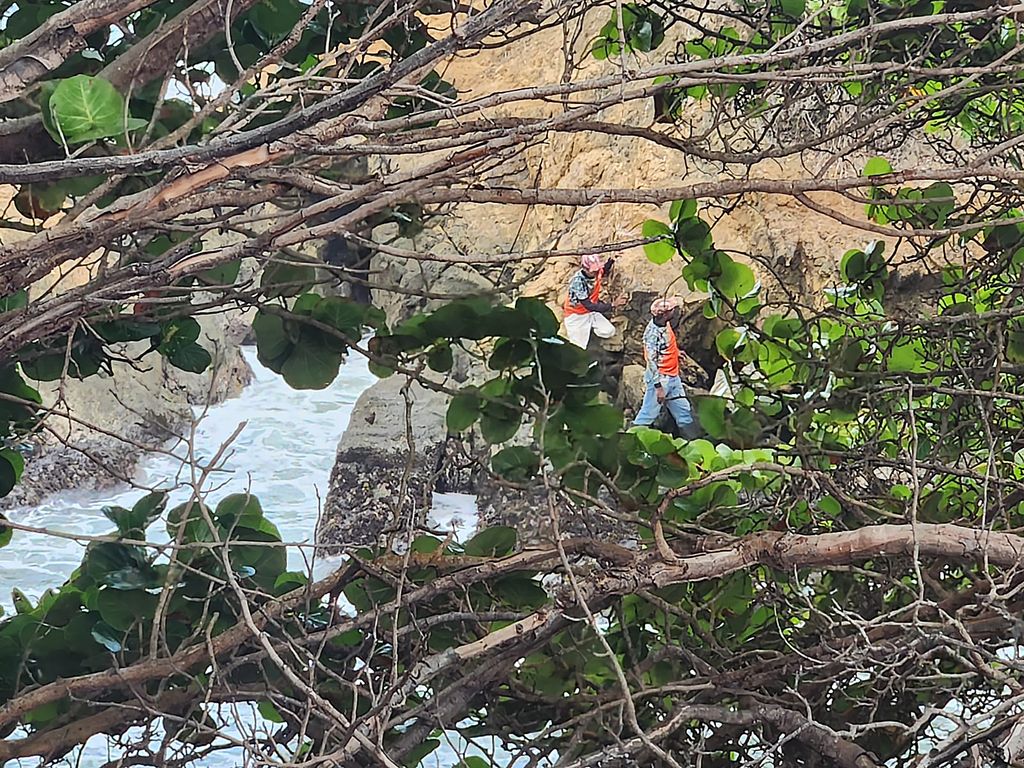
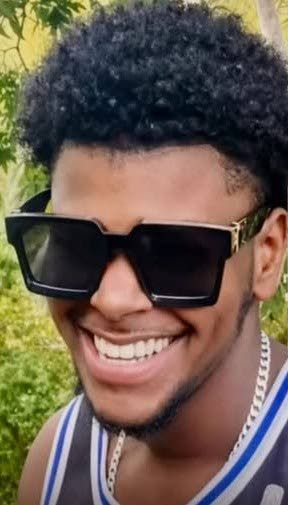
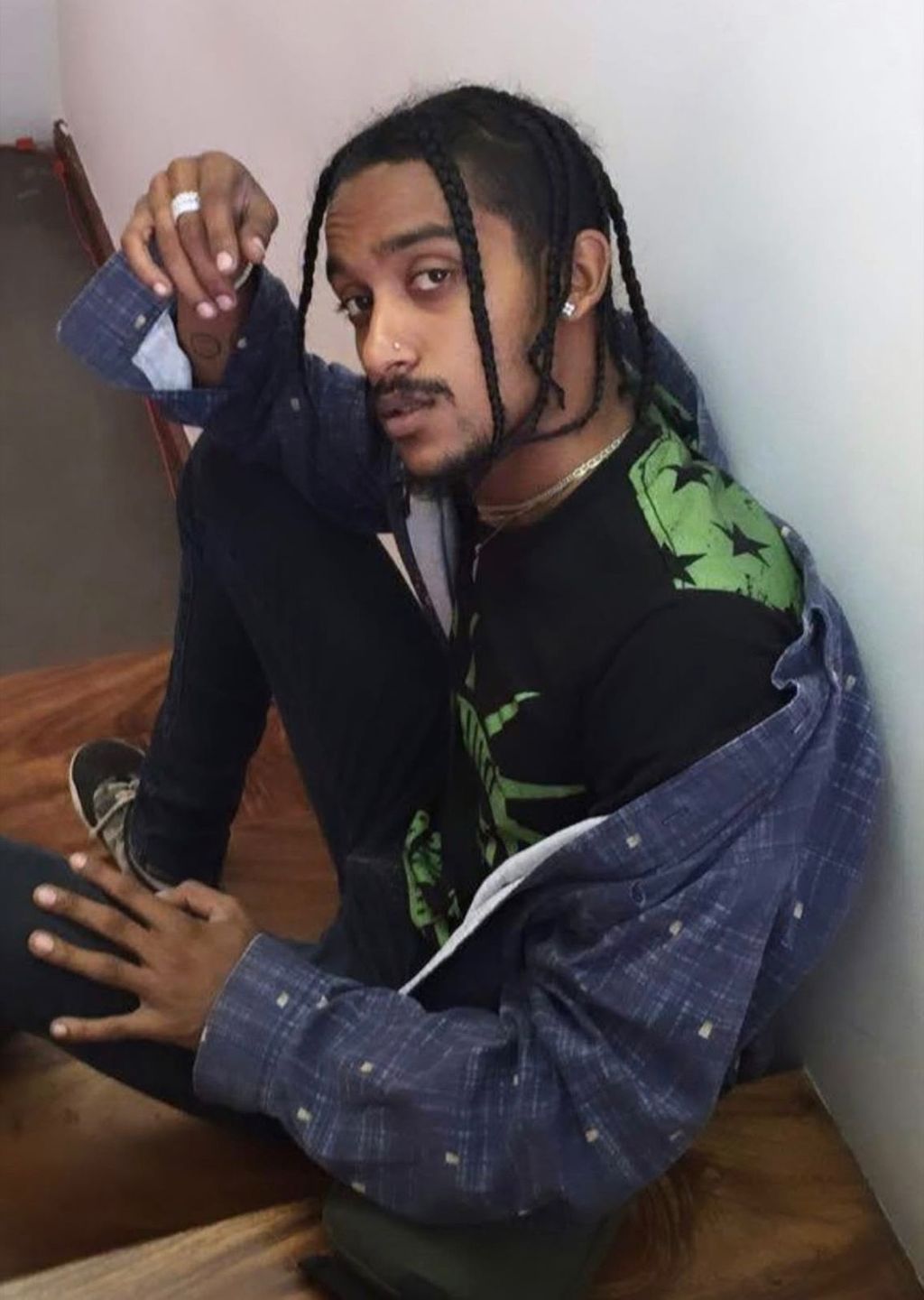
This response follows a formal statement issued by DPP Roger Gaspard SC on Friday evening, warning the media and social media users of the legal and ethical dangers of compromising the ongoing criminal proceeding, which stemmed from the killing of 31-year-old Joshua Samaroo.
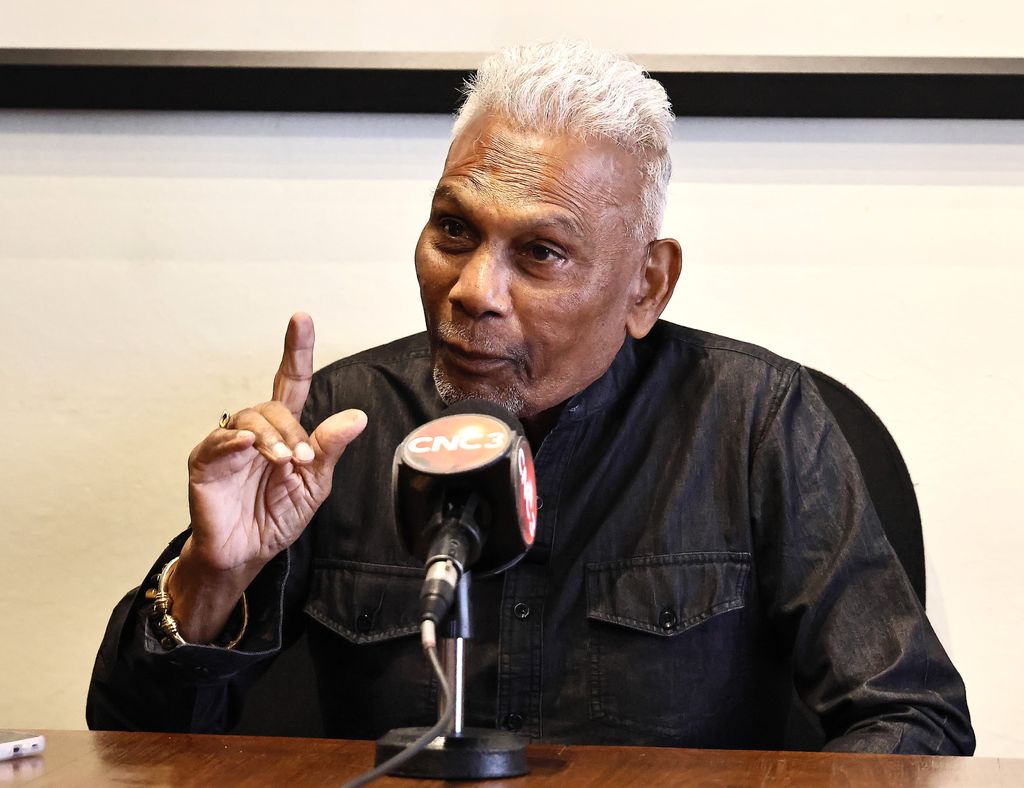
Speaking to the Sunday Guardian yesterday, Senior Counsel Israel Khan endorsed the DPP’s warning, saying that Gaspard is an entirely independent constitutional entity and must remain free from external influence. This, he said, includes protesting outside the Office of the DPP.
“Ordinary people see the protests and keep talking about the video, the video. The whole of T&T is quite aware. And I, myself and you, everybody. Looking at the video, nobody is seeing inside the car. Nobody is seeing what’s happening in the car. So let due process take place,” Khan said.
“The law is, if a matter is before the court, you cannot comment and you cannot protest and say that the person has been wrongly charged. That’s contempt of court.”
Criminal defence attorney Fareed Ali raised similar concerns surrounding the case, which has drawn intense public scrutiny. Ali warned that widespread media coverage, along with the spread of unverified information in public discourse and daily commentary, could end up swaying a jury before the matter goes to court.
This, he said, is due to people “forming views in a vacuum without having all the information.”
Ali pointed to the infamous 1999 Dole Chadee trial, where defence attorneys filed abuse of process applications, arguing that Chadee could not get a fair trial because public opinion was heavily against him as an alleged drug lord. Ali said that the case is a reminder of how strong public opinion can threaten the right to an unbiased jury.
“This [Kaia Sealey] matter has infected the public space in such a way that everybody, including the man on the street, has an opinion. Everybody has begun to draw straws and to take sides. And if we are to go to trial now, there’s pressures being put on the institutions of the state. Meaning that perhaps a jury could never deliberate and could never form an opinion without being impacted by what is in the public space,” Ali said.
“I think this is a message that has to resonate not just with the civilian population, not just with journalists. But with the police and perhaps even the defence in this matter.”
Meanwhile, in response to the DPP’s warning, the Media Association of Trinidad and Tobago (MATT) drew a clear line between responsible journalism and comments circulating on social media platforms.
In a media release, MATT said the organisation stands firmly on the side of the rule of law and does not regard the DPP’s statement as “intimidation” or an attempt to interfere with legitimate journalism.
“We acknowledge that the DPP has a constitutional responsibility to protect the integrity of criminal proceedings, just as the media has a constitutional responsibility to report matters of public interest fairly, accurately and responsibly,” the statement said.