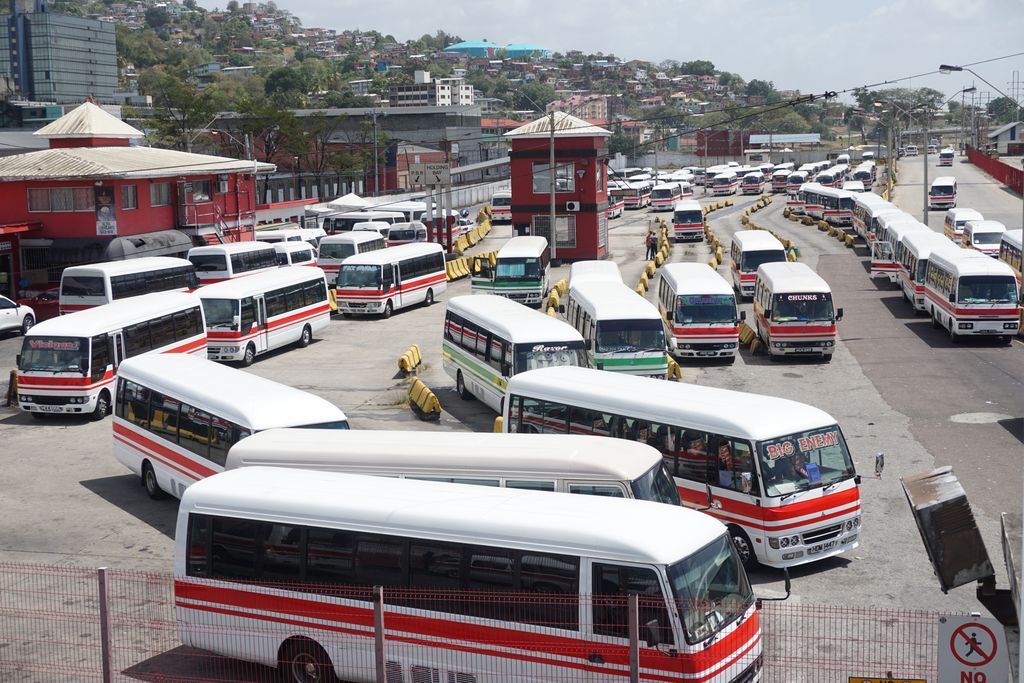

Thousands of commuters across Trinidad are expected to face major transportation disruptions from Monday after maxi taxi operators confirmed they will proceed with a nationwide withdrawal of service following unsuccessful talks with Government officials.
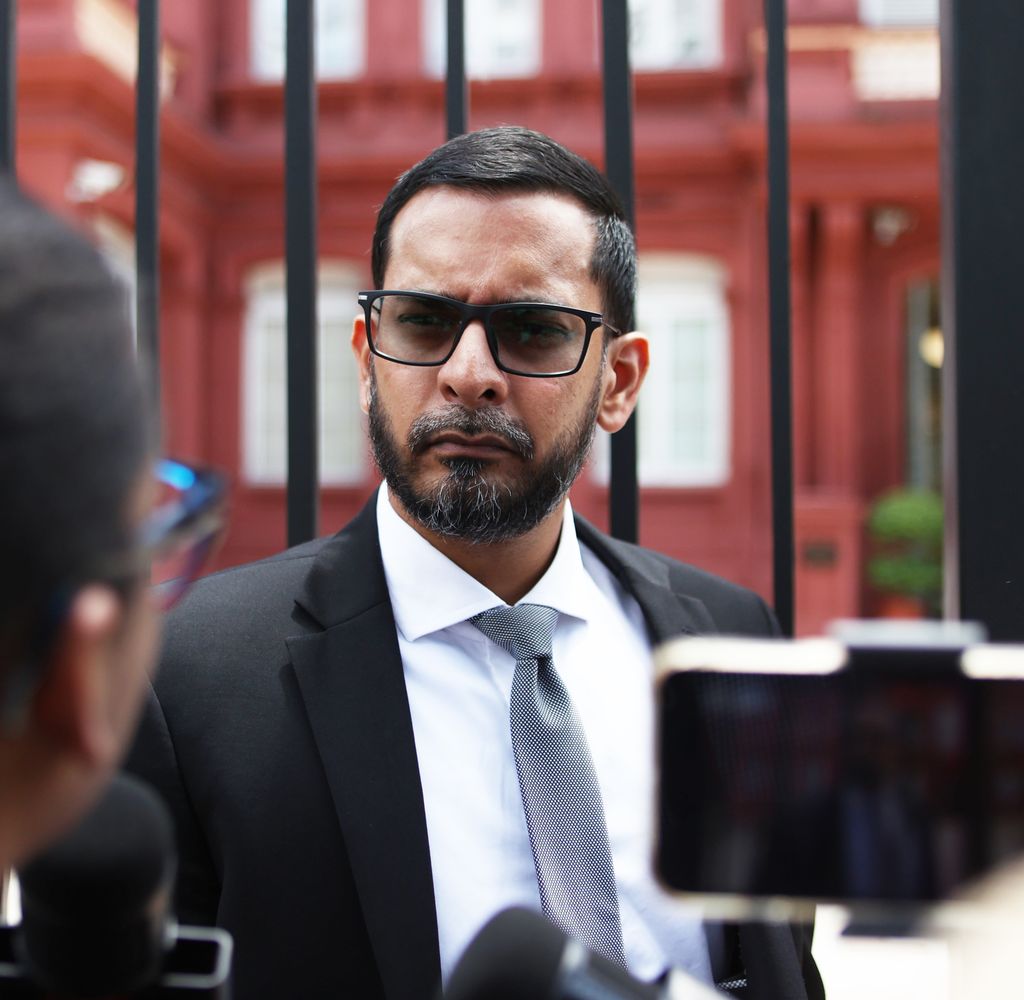
Secretary of the Maxi Taxi Association of Trinidad and Tobago, Vickash Kisoondath, said operators from four of the country’s five major maxi taxi routes have committed to the action, with school transport providers also expected to participate.
“This action is going to happen,” Kisoondath said on Friday. “Operators have made up their minds. We cannot continue operating under these conditions while promises keep getting pushed back.”
The shutdown is expected to begin on Monday and continue throughout the week unless authorities provide written commitments addressing the operators’ concerns.
Kisoondath said another meeting with Ministry of Works and Transport officials on Thursday failed to produce concrete results on several longstanding issues affecting the sector.
“We met yesterday expecting progress, but once again there were only discussions and no firm action,” he said. “Every month we attend meetings and hear the same thing — that the matters are almost completed and sitting on a desk. Operators are tired of hearing that.”
He said operators had spent months attempting to resolve the issues through formal channels, including advisory committee meetings with ministry officials and the Permanent Secretary.
“We tried diplomacy, dialogue and patience first,” Kisoondath said. “This is not just one route complaining. Four major routes are standing together because these problems are affecting operators nationwide.”
Among the concerns raised by operators are the 65 km/h speed restriction on highways, increased Priority Bus Route (PBR) pass fees, competition from PH vehicles and restrictions on access to cities and boroughs after hours.
“One of the biggest frustrations is the highway speed limit,” Kisoondath said. “We have been requesting an adjustment for years because it affects travel times and productivity.”
He also criticised what operators view as inadequate regulation of PH vehicles.
“The PH system was intended for rural districts and after-hours transport, but now they are competing directly with maxi operators on established routes,” he said. “We are heavily regulated and face significant operational expenses, while illegal competition continues to grow.”
Kisoondath said rising costs are placing increasing financial pressure on operators.
“The Government has to understand that operators have families to support and bills to pay,” he said. “We cannot continue absorbing rising costs while our concerns are ignored.”
He warned that school transportation services would also be affected, as concession operators have pledged support for the shutdown.
“The country will immediately feel the impact if maxi taxis stop operating,” Kisoondath said. “Thousands of people depend on this service every day.”
While acknowledging the inconvenience to commuters, he appealed for public understanding.
“We know people rely on us and we appreciate the public’s support,” he said. “But operators have been struggling with these unresolved problems for years.”
Kisoondath said operators are now demanding written commitments from authorities rather than further verbal assurances.
“At this point, operators want something official in writing,” he said. “Verbal promises are no longer enough. We need action.”