
Senior Reporter
kay-marie.fletch[email protected]
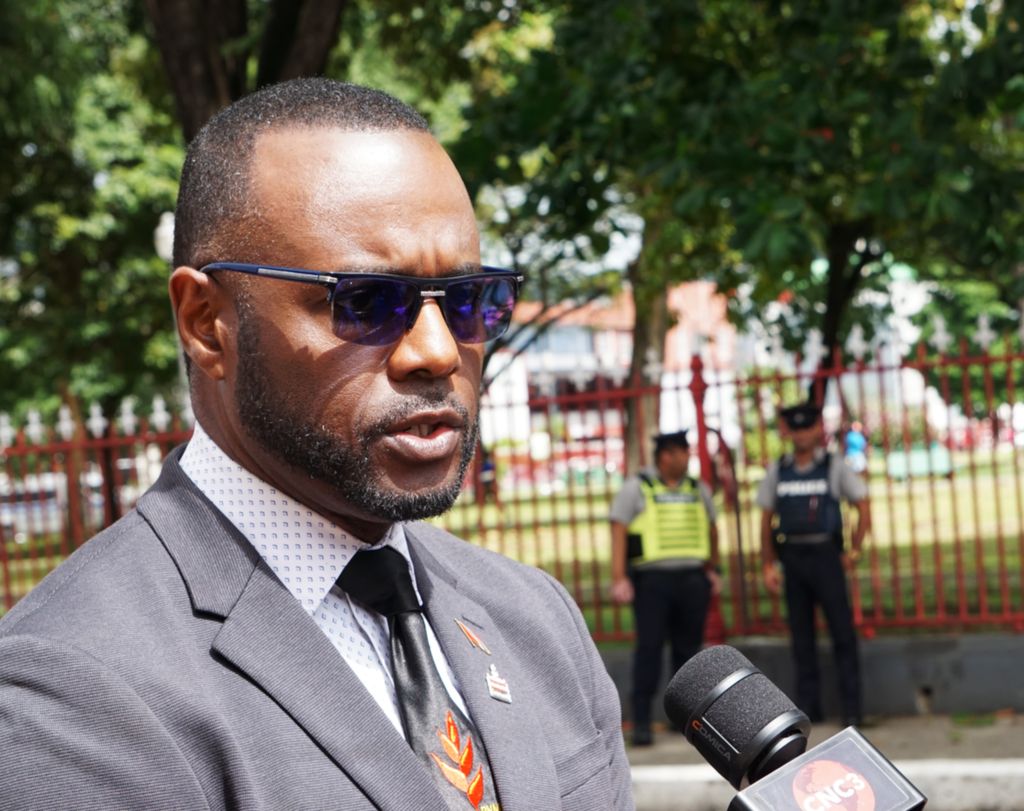
Opposition Chief Whip Marvin Gonzales says his concerns surrounding the Joshua Samaroo and Kaia Sealy matter are not about the independence of the Office of the Director of Public Prosecutions (DPP), but about what he described as a culture of secrecy surrounding public office.
Gonzales’ comments came after Samaroo’s family’s attorney, Criston J Williams, moved yesterday to clarify remarks urging the public to “trust the process.”
Responding to Guardian Media yesterday, Williams rejected claims that his comments were “reprehensible” and insisted his remarks had been misunderstood.
Williams stressed that although he represents the family of the late Samaroo, his position remains that the force used by police during the January 2026 shooting “was unreasonable” and resulted in Samaroo’s death and injuries to Sealy.
However, speaking yesterday, Gonzales said citizens now demand greater transparency and accountability from public officials.
Gonzales said, “I do have faith in the Director of the Prosecutions. My position is the whole adage of hiding behind the cloak of secrecy in order to preserve a criminal trial. I don’t think that in today’s world those principles apply, because the population, the citizens demand, especially in the age of social media, demand accountability and transparency from persons who hold national office, even from persons who hold constitutional office and therefore there needs to be a certain amount of levelling with the population, communicating with the population on facts so that people’s perception, even if it may not be entirely correct, it can be corrected once they are provided with a reasonable amount of information.
“... I think the secrecy behind those office holders and the way that they operate, they need to understand that gone are the days you could remain silent and quiet and expect people to have some semblance of respect and trust in you. It has a symbiotic type of arrangement where, in order for there to be trust, you need to communicate and you need to be transparent with the citizens.”
Meanwhile, Williams maintained his call to “trust the process” referred specifically to the constitutional independence of the Office of the DPP, and not blind acceptance of police allegations.
In a written response yesterday, Williams said he was surprised to hear his statement was described as reprehensible.
Saying that he acts as attorney for the Samaroo family while Fayola Sandy acts on behalf of Sealy,” he said, “Our position remains that the force used by police officers during the January 2026 shooting was unreasonable and resulted in the death of Mr Samaroo and catastrophic injuries to Ms Sealy.
“Over the past five months, we have publicly and formally requested information from both the Minister of National Security and the Commissioner of Police concerning the circumstances surrounding that shooting. To date, many significant questions remain unanswered. The Trinidad and Tobago Police Service has now presented its version of events to the Office of the Director of Public Prosecutions, and the DPP has acted upon that presentation in determining that charges should be laid.”
On Tuesday, Gonzales criticised Williams for urging citizens to “trust the process” despite widespread public scrutiny over the police handling of the matter. He described Williams’ calls for citizens to trust the process in the face of widely circulated CCTV footage as an insult to the population.
Gonzales said he found it “quite curious” that a defence attorney had publicly moved to defend the actions of the prosecution.
But further explaining his comments, Williams said, “When I stated that we must trust the process, I was referring specifically to the constitutional independence of the Office of the Director of Public Prosecutions. In Trinidad and Tobago, the DPP is constitutionally independent. The purpose of that independence is to ensure that prosecutorial decisions are governed by evidence and law, free from political influence, public pressure, or institutional loyalty. Every citizen, regardless of background or status, should want their independence protected.
“Trusting the process does not mean accepting every allegation made by the police as true. It means trusting that an independent prosecutorial authority will rigorously test the information placed before it against the Prosecutors’ Code, the available evidence, and the legal threshold required before a prosecution can properly proceed.”
Williams also questioned aspects of the police investigation. including why Sealy was not arrested while hospitalised if investigators initially possessed evidence alleging she discharged a firearm.
He added, “Indeed, the questions currently being raised in public demonstrate the necessity of having an independent process. ... In the earliest reports, there was no discharge of a weapon. What changed between the initial response of the investigators and the later decision to lay charges? These are not inflammatory questions. They are examples of the very issues an independent prosecutor is expected to examine objectively and carefully.”