
Stephon Nicholas
Tobago Correspondent
The Environmental Management Authority (EMA) has insisted that it followed “an extensive, science-driven review process” before it granted a Certificate of Environmental Clearance (CEC) to Superior Hotels Limited for the construction of a 3.5-star hotel and resort at Rocky Point, Tobago.
The development, which includes a 200-room hotel, villas and townhouses, has alarmed environmentalists, who argue the area is not being treated with the sensitivity it deserves.
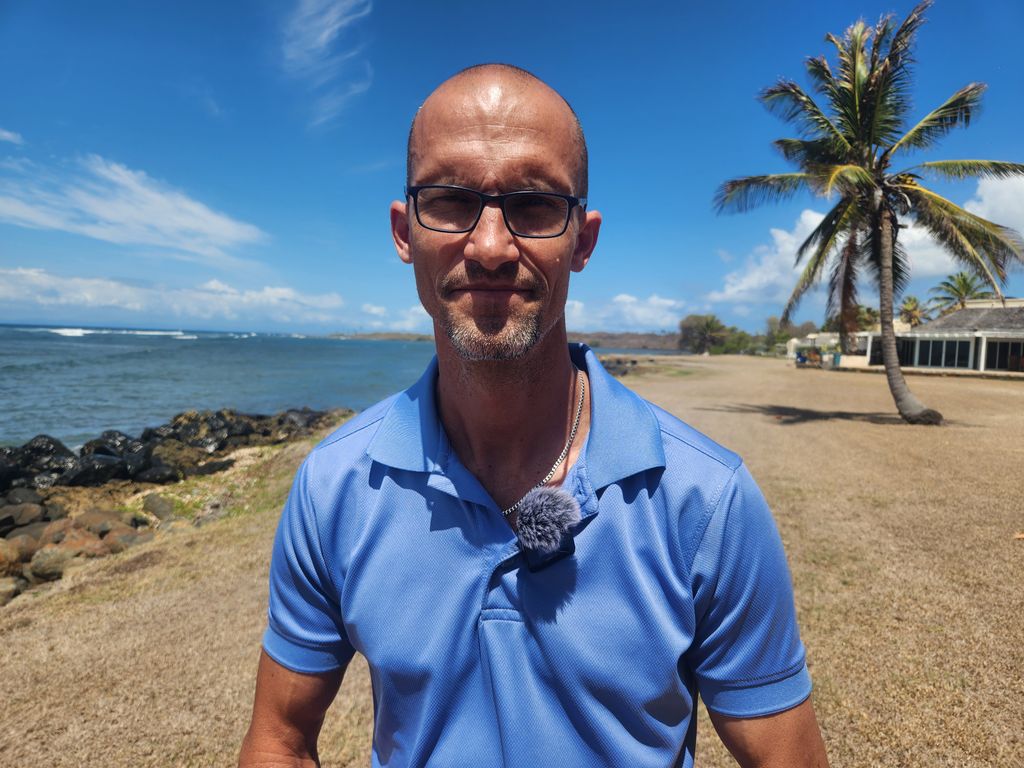
Duane Kenny, founder of the Rocky Point Foundation, says the project is too massive for such a green-friendly space. He is also concerned about the impact on the ocean and the reef, which is mere metres from the coastline.
However, in a media release yesterday, the EMA defended its issuance of the CEC for the $500 million project.
It said, “The CEC application was subject to detailed technical analysis, inter-agency consultation, stakeholder submissions, and a multidisciplinary review process which examined, inter alia, hydrology, marine ecology, drainage, wastewater management, coastal processes, lighting, archaeology, climate resilience, and socio-economic considerations.”
The EMA said it went beyond the commitments made in the Environmental Impact Assessment (EIA) report and incorporated technical recommendations from a multidisciplinary review committee comprising various agencies and non-governmental organisations.
It said this helped to strengthen the mitigation and monitoring measures and the overall conditions of the CEC.
The EMA noted that the EIA report had proposed a buffer of 3.5 metres from the coastline in certain areas, but this was extended to a 30-metre coastal setback, in keeping with international standards, with an additional buffer and vegetation protection requirements, including maintaining the existing vegetation along the face of the coastline.
The EMA said it assessed concerns relating to water carrying soil, sediment and pollution from land into waterways and coastal areas, which can cloud the water and impact marine life near the shore. It said the approved design incorporates a retention pond and stormwater management system designed to collect rainwater runoff and manage how it is released into the environment.
“The issued CEC further establishes legally enforceable conditions requiring erosion and sediment controls, phased clearing, rainfall inspections, runoff attenuation measures, and marine water quality monitoring throughout the construction and operation phases,” it said.
On the issue of protecting the reef, the EMA said condition 3.10 of the CEC prohibits the discharge of untreated or contaminated effluent, maintaining setbacks from the high-water mark, managing earthworks during rainfall events, and ensuring all wastewater is properly collected, treated and disposed of through approved systems. The EMA said these measures will address any potential impact due to runoff.
The authority also said the CEC includes obligations requiring turtle-friendly lighting, restrictions on construction activities during nesting periods, beach activity controls, monitoring programmes and adaptive management measures throughout the life of the project.
The Rocky Point Foundation also expressed concern that in the EIA on nearshore water quality, total suspended solids exceeded EMA ambient standards during the dry season. But the EMA said these ambient conditions formed part of its assessment and subsequently informed the monitoring and mitigation requirements incorporated into the CEC.
However, the EMA said the CEC is the first step in the regulatory oversight and will be followed by compliance monitoring and reporting, including quarterly marine water quality monitoring, sediment quality assessments, environmental management plans, inspections, and reporting requirements to ensure mitigation measures remain effective during both construction and operation.
The EMA said it retains the authority to take action for non-compliance with the CEC, adding it remains committed to transparent, science-based and accountable environmental regulation aligning with the mandate for sustainable development.
However, the EMA said it remains open to constructive engagement from stakeholders regarding the development and the conditions and mitigation measures within the CEC.