
Lead Editor–Politics
akash.sama[email protected]
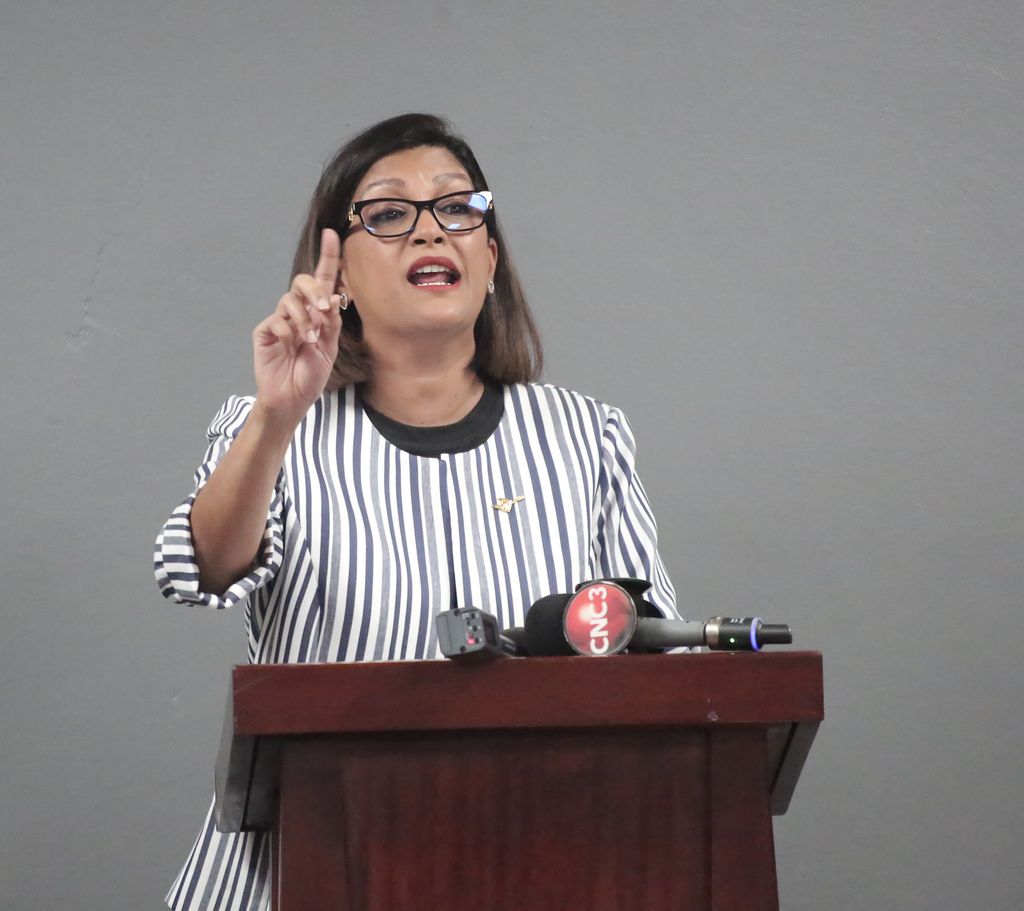
Opposition Leader Pennelope Beckles is yet to decide on whether she will accept Senator Janelle John-Bates’ resignation.
Beckles said last Friday that the matter remained under “active consideration,” but stayed tight-lipped yesterday despite attempts by Guardian Media to determine whether the People’s National Movement (PNM) leader had made a final decision.
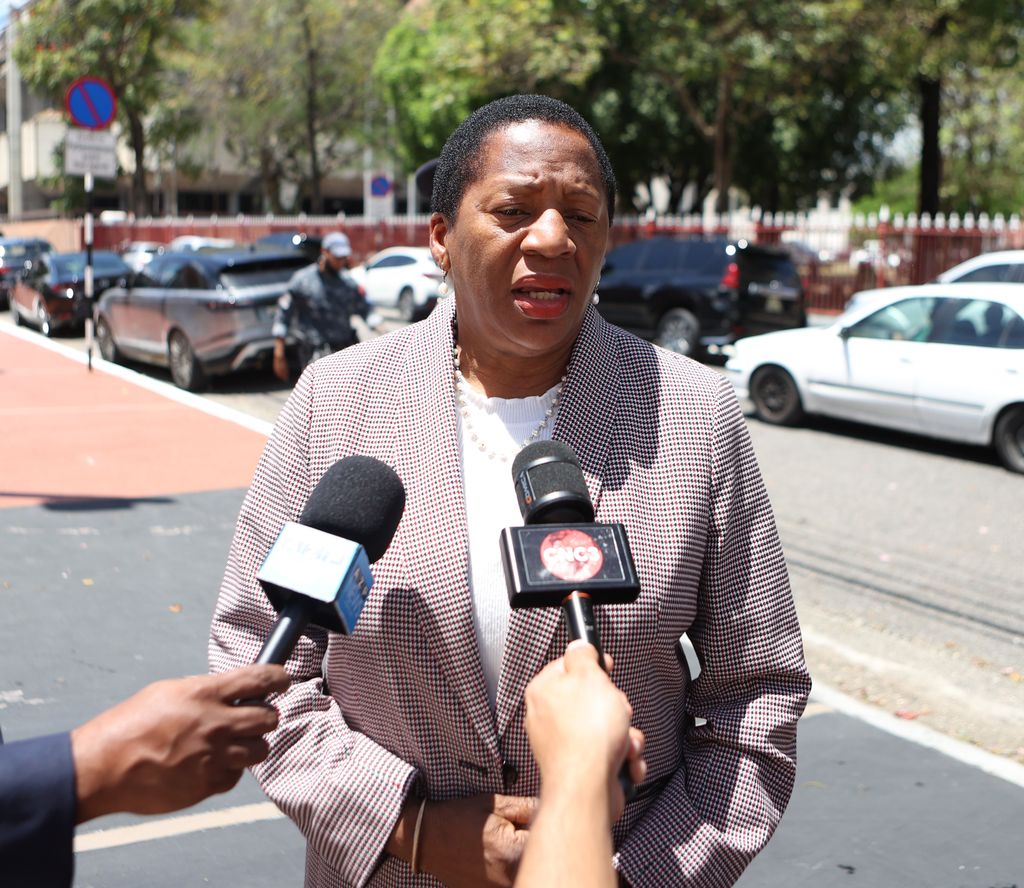
Meanwhile, when asked for an update, John-Bates declined to comment.
Guardian Media also spoke with senior party insiders who said they are not sure when a decision will be made.
Beckles made it clear last Friday that she would not be rushed and refused to give a time frame for her decision.
There is no sitting in the Senate today.
But while there is still uncertainty on if John-Bates will be dismissed from the Upper House by Beckles, what is certain is that both John-Bates and Senator Faris Al-Rawi have been referred to the Privileges Committee.
Confirmation came last Friday from Senate President Wade Mark, who told the Upper House he was “satisfied that a prima facie case has been made” to refer both PNM senators to the Privileges Committee.
The senators were referred to the Privileges Committee following a “track changes” scandal where metadata revealed they had edited a witness statement for former Health minister Terrence Deyalsingh before he appeared before a Public Administration and Appropriations Committee (PAAC) looking into the pharmaceutical industry.
This sparked a major controversy because John-Bates was a member of the committee, while Faris Al-Rawi allegedly made extensive edits to the same document, leading to accusations of “coaching” a witness and undermining the integrity of parliamentary proceedings.
Both senators have not admitted any wrongdoing.
Under the Senate Standing Orders, specifically Order 82, the Committee of Privileges is a five-member body chaired by the President of the Senate. The remaining four members are appointed by the President at the start of each parliamentary session, typically ensuring a balance between Government, Opposition and Independent Senators.
Once a matter is referred, the committee operates like a semi-formal tribunal, conducting its deliberations in private rather than in open debate. It is empowered to gather evidence, including summoning witnesses and requesting documents, papers and official records. After completing its investigation, the committee prepares a report outlining whether a breach occurred and recommending any action, which is then laid in the Senate for debate and a final decision.
The committee itself does not impose penalties but instead makes recommendations to the full Senate. Based on those findings, the Senate can take a range of actions under its rules and established practice, including issuing a formal reprimand recorded in the Hansard, suspending a senator for a specified period with loss of pay and access to the chamber, or requiring a formal apology to the House. In more extreme and rare cases, the Senate may also move to vacate a senator’s seat.