
Four months after walking out of the Golden Grove Prison a free man, Rodney Davis is asking not for sympathy, but for a second chance to become a productive member of society.
A central figure in Caribbean jurisprudence on the death penalty, Davis spent 13 years on death row, with his case helping to reshape how justice is administered across Trinidad and Tobago and the wider region.
But beyond the legal arguments and landmark rulings is a man who endured decades of confinement, illness and reflection—emerging with a message grounded in faith, accountability and redemption.
In an exclusive interview with Guardian Media, Davis spoke about how faith sustained him during his incarceration for the 1992 murder of his relative, Nicole Bristol. He said he voluntarily surrendered to police following the incident and was subsequently charged.
Davis waited nearly five years before being convicted and receiving the mandatory death sentence, which was in force at the time. During his incarceration, he said, he lost several loved ones, including his father, Simon Davis.
“Everything is a loss—your life, your youth, family and friends,” Davis said, reflecting on the years spent behind bars. “But at least I came out and got to know God.”
Now 51, Davis does not shy away from his past. Instead, he accepts responsibility.
“I don’t blame anybody. I know better,” he said. “It’s myself.”
During his years in prison, Davis battled serious health challenges, including cancer and ulcers. He recalled moments when he believed he would die behind bars.
“Everything I ate, I was vomiting blood… they say I dead,” he said. “But God had a plan for me.”
That faith, he said, became his anchor.
“I pray every morning and night for the soul of the deceased,” he said, referring to his cousin, whose death altered the course of his life. “That is something that will live with me every day.”
While incarcerated, Davis said he became a mentor figure among inmates, earning the nickname “uncle” for offering guidance and support to younger prisoners.
“I used to give them my last. I used to talk to them,” he said. “Many of them grow up without love, so they didn’t get guidance from young.”
He also offered a candid assessment of the prison system, arguing that it often fails to rehabilitate offenders.
“They are breeding criminals inside,” he said. “A young man might go in for one crime and come out worse.”
Now free, Davis said he is committed to helping others avoid the path he took.
“If I could talk to youths in prison, I will,” he said. “Nobody really talked to me. Some of them can be reformed—they just need guidance.”
His message to young people is direct: “Crime doesn’t pay. It only brings pain and suffering—for you, your family and everybody.”
He also warned against the lure of fast money.
“You will spend years of your life you can’t get back,” he said. “Work is what pays. You earn it, you enjoy it.”
Davis believes intervention must begin at home.
“Parents, don’t let your children come home with things you didn’t buy or don’t know about,” he said. “Teach them God. Teach them love. That is the foundation.”
Since his release, Davis has been seeking employment but faces challenges reintegrating into society. He said he is still awaiting basic identification documents, which has limited his opportunities.
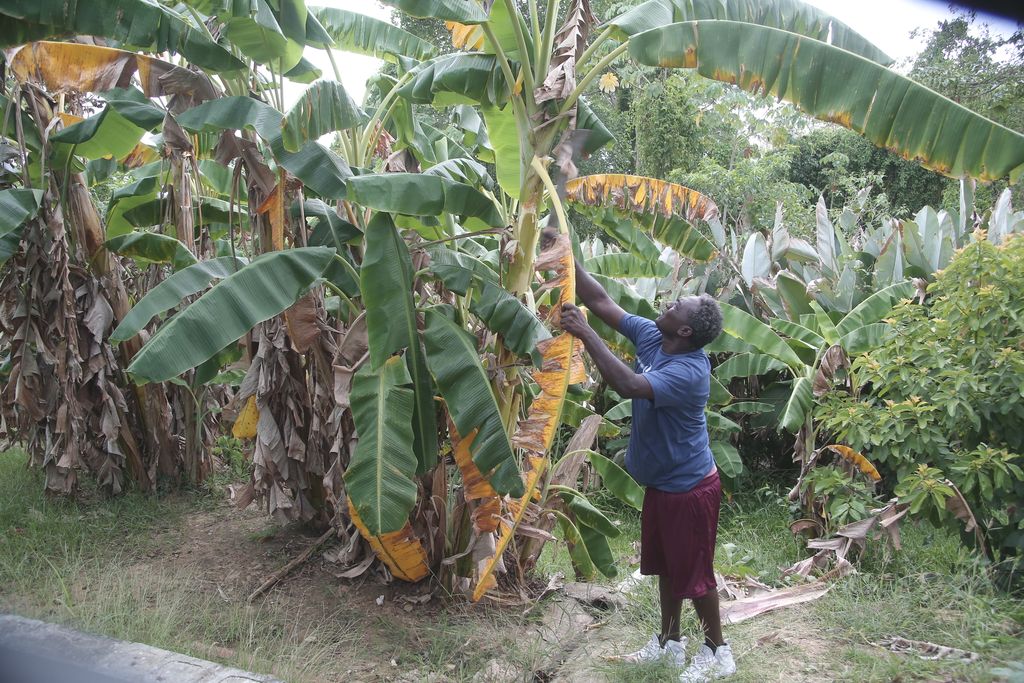
At times, he admitted, he feels isolated, as many of the people he once knew have since died. He now spends his days doing small jobs, gardening and attending church.
“I just want work,” he said. “I want to get back my documents, get some peace and enjoy the rest of my life—living well with others and helping others.”
Despite his past, Davis said he harbours no bitterness—only a desire to move forward.
“I’m not a bad person. God knows my heart. I was young and made a mistake,” he said. “I just need a chance. Don’t judge me—I’m still a human being.”
While he cannot change the past, Davis said he is determined to build a better future.
“The greatest lesson I learned is to respect everyone, love God and give people a chance,” he said. “Nothing is impossible. When you feel there is no way, there is always a way.”
Now free after decades defined by prison walls, Davis said that while his case is studied internationally, his focus is simple: rebuilding his life with dignity and purpose.
Anyone willing to assist or offer opportunities can contact Davis at 331-4264.