
Senior Reporter
elizabeth.gonza[email protected]
Police and road safety stakeholders say the country’s latest road deaths have again raised concerns about speeding, seatbelt use and careless driving and are urging motorists to exercise caution on the nation’s roads.
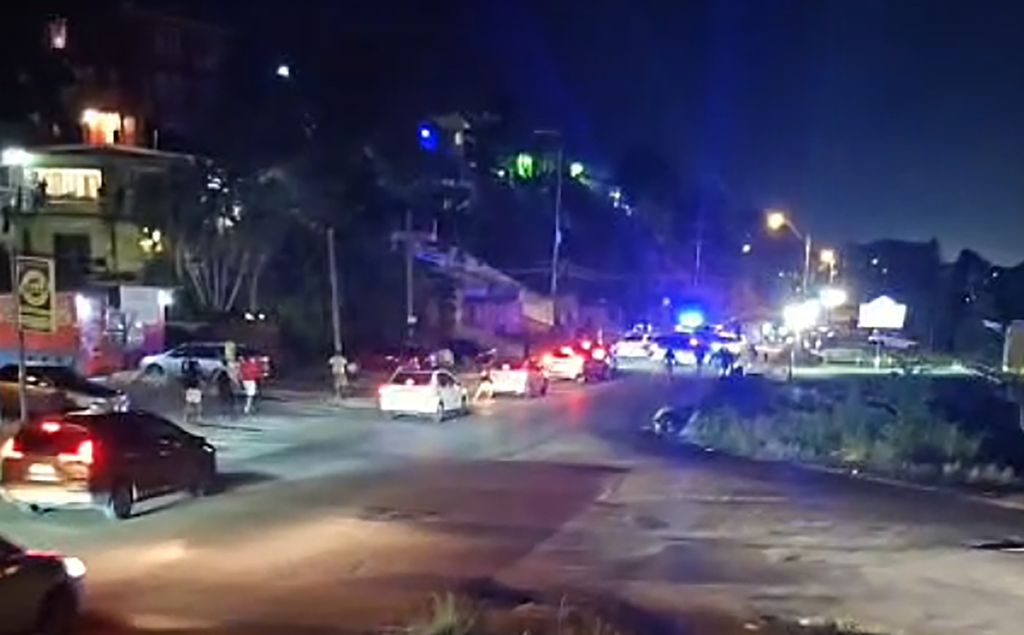
The warning comes as police continue to investigate yesterday’s crash in Tobago which claimed the lives of two men. That accident came one day after two people were killed in another accident in south Trinidad.
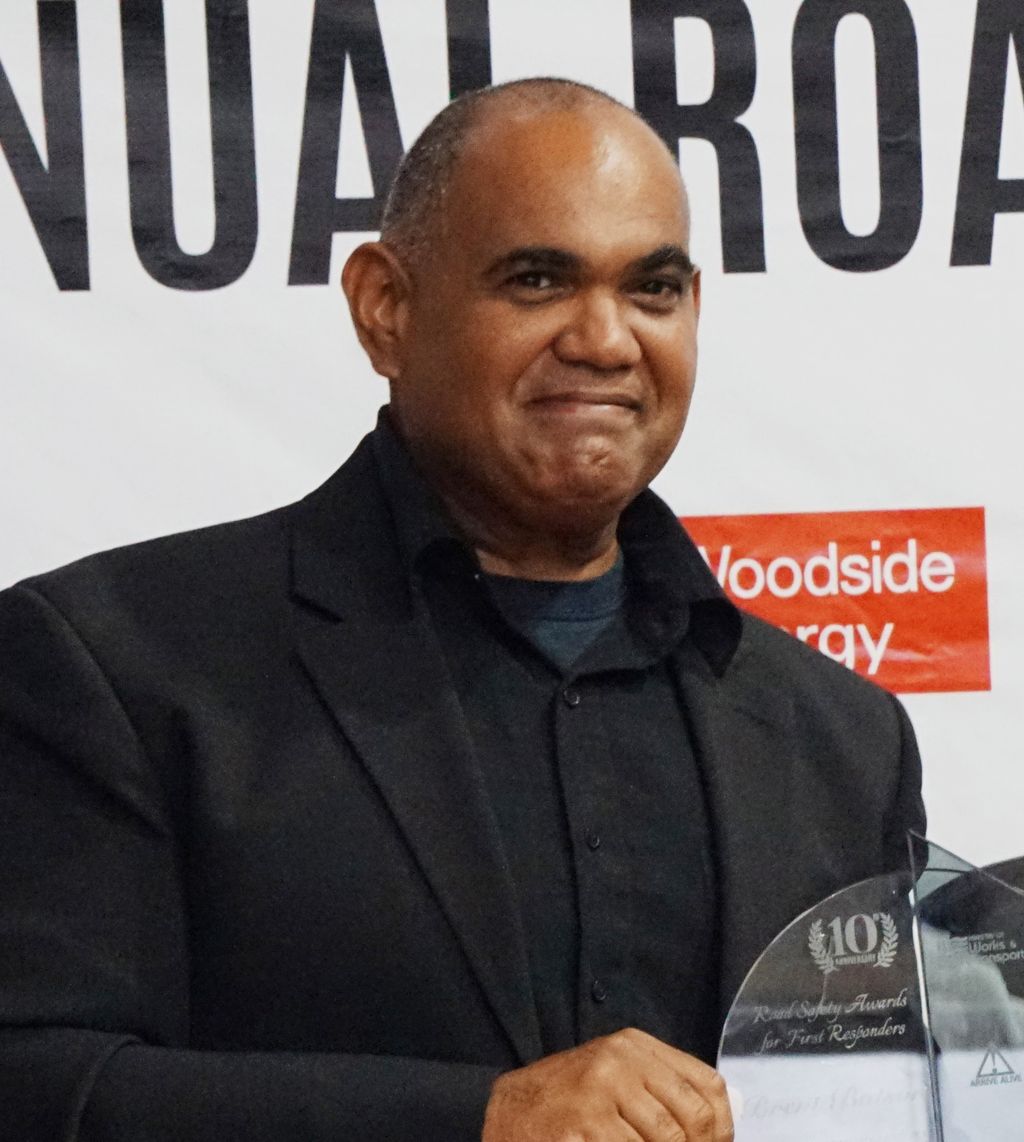
Police Road Safety Project Coordinator Sgt Brent Batson yesterday said the deaths have pushed the road toll to 26 so far for 2026. For the same period last year, the figure was 32.
Batson said the crashes were “extremely sad” and offered condolences to the families who lost loved ones.
However, he said what continues to concern police is that many serious crashes could be prevented. He said initial reports into the recent crashes pointed to two familiar issues: speed and lack of seatbelt use.
Batson said both drivers and passengers must take those issues seriously, especially when looking at the type of injuries some victims suffer in crashes. He said police continue to appeal to motorists to obey the traffic laws, slow down and take their time on the roads.
He said modern vehicles may have safety features but they cannot protect people from every impact, especially when speed is involved. He said speed often determines how badly someone is injured in a crash. Batson said this is why police continue to focus on speed control and public awareness.
“The message remains the same,” Batson said.
He said motorists must slow down, take their time and avoid becoming too comfortable behind the wheel. He also said the police service is expected to roll out more enforcement equipment within the next two weeks.
“I don’t want to jump the commissioner’s announcements but it’s going to be a high-priority action item,” he said.
Asked whether drivers were not listening, Batson said the police have a duty to protect the public and reduce harm. However, he said road users must also take responsibility for their own actions still.
“We can’t have a police on every corner,” Batson said.
Arrive Alive president Sharon Inglefield also described the latest road deaths as “very concerning.”
“Road fatalities and serious collisions need to be taken seriously; every life lost is one too many. We need to take road safety more seriously,” Inglefield said.
She said the continued loss of life is being driven by the casual way some drivers treat road safety.
“The casualness to road safety amongst drivers continues to drive serious crashes and the increase in road fatalities,” she said.
Inglefield said police urgently need vehicles, speed guns and breathalysers. She said this is especially important on Friday and Saturday evenings, when data shows most fatal crashes happen.
She also called for proper investigations at crash sites where serious accidents take place. Inglefield said once those investigations are done, the authorities must fix road and infrastructure problems that may cause similar crashes to happen again.
She said licensing officials must also do more education and training with existing drivers and new drivers.
Her message to drivers was simple: “Please slow down. Respect the laws for your safety and the safety of other road users.”