
Lead Editor–Politics
akash.sama[email protected]
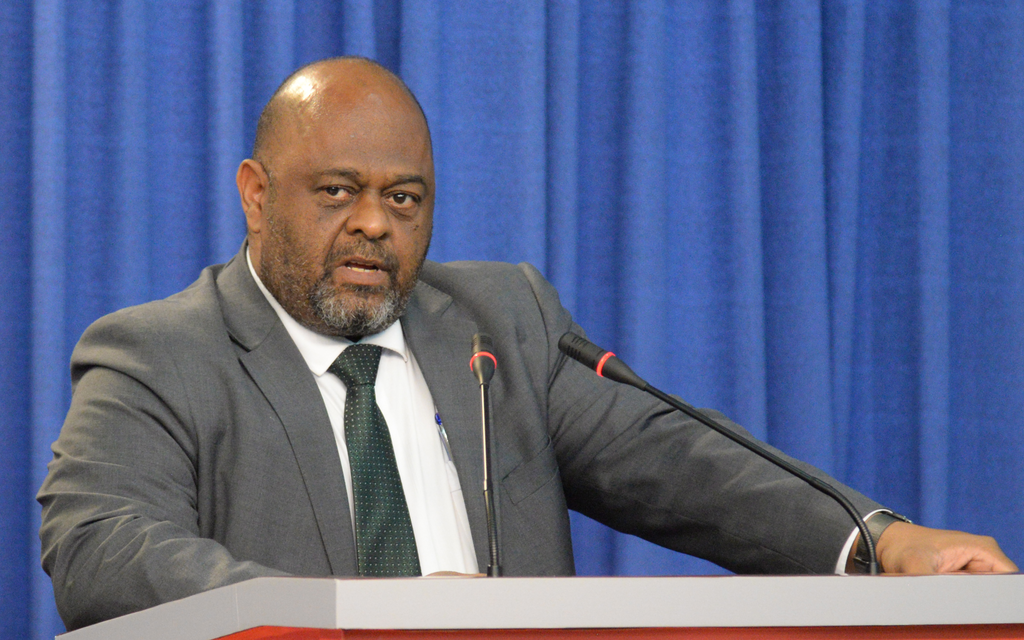
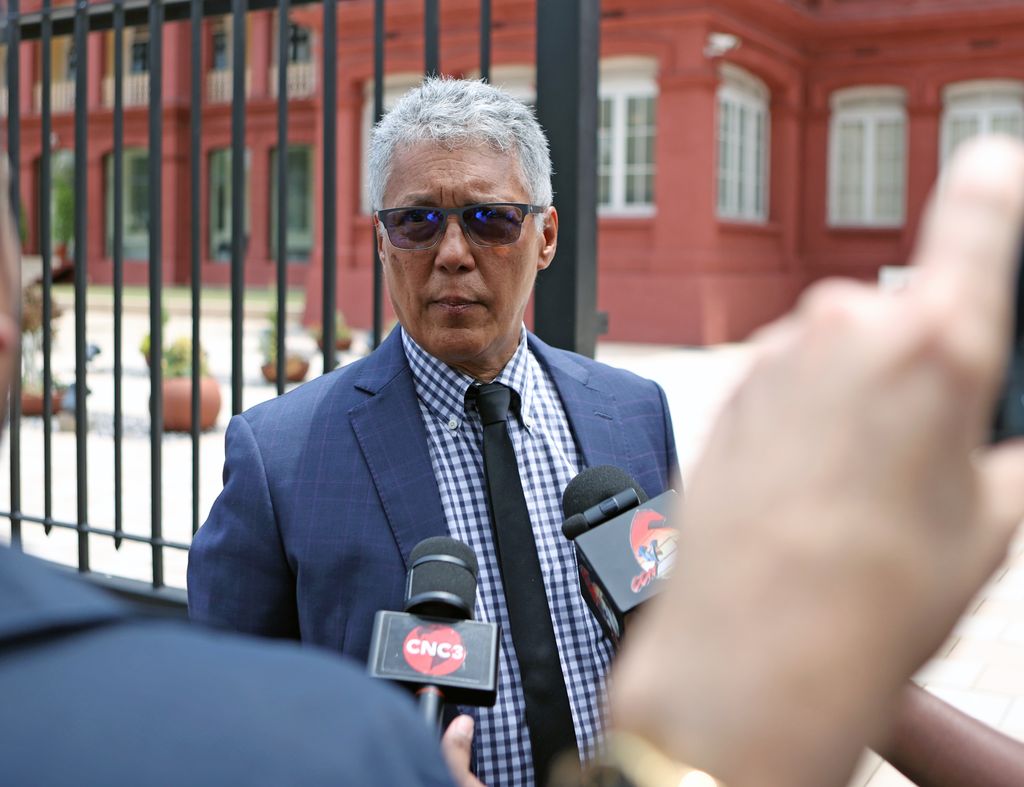
Independent Senators Sophia Chote and Anthony Vieira have described the current crime situation as “deeply distressing” and “troubling”, while cautioning against assigning blame to the Government or rushing to expand legislation.
Both senators also expressed confidence in the leadership of Police Commissioner Allister Guevarro, even as violent crime continues to dominate national concern.
Speaking with Guardian Media en route to the Senate, Vieira said the situation demands “calm, clarity and a comprehensive response to crime”.
“The fact that these murders have occurred during a State of Emergency should not be used as a simplistic basis to condemn the Government or the Police Service,” he said. “A State of Emergency is a powerful legal instrument designed to provide additional tools to law enforcement, but it is not, and has never been, a guaranteed solution to crime.”
Vieira said there is evidence that even extensive security operations cannot eliminate crime on their own, noting that while policing can disrupt criminal activity, the underlying drivers of violence are more complex.
“It calls for a sophisticated, nuanced and coordinated national strategy. We must adopt a holistic approach to crime—one that combines effective policing with social policy, education, economic opportunity, youth engagement, community empowerment and strong institutions,” he said. “Crime prevention must be treated not merely as a security issue, but as a national development priority.”
He added that addressing crime requires an “all hands on deck” approach, rather than adversarial political exchanges.
Asked whether he had confidence in the Police Commissioner amid the current challenges, Vieira said, “Yeah, I think I do. He has a unique way of speaking, but he seems to be leading from the front, and I think he’s doing his best.”
Meanwhile, Senator Chote said the crime situation has been troubling for several years and urged patience as security measures take effect.
“I hope that the measures which are being taken will soon bear fruit,” she said.
Asked whether a curfew should be implemented under the current State of Emergency, Chote said decisions rest with those responsible for national security.
“I think all options are being considered by those responsible for the security of the country. I don’t think we should underestimate those office holders. They will consider what options are available and determine which are appropriate,” she said.
However, she cautioned against the introduction of additional anti-crime legislation.
“People look to legislation as though it is the band-aid for every sore and every cut. I don’t think that is the case. That is completely wrong and short-sighted,” she said. “Investigation, detection, and ensuring the justice system works so that people are brought to justice are what matter most.”
Chote added that existing laws are already strong.
“I think we have a body of legislation which is pretty powerful. Where we are falling down is in terms of detection, charging people, and bringing them to justice,” she said.
The Independent bench previously voted overwhelmingly against the Zones of Special Operations (ZOSO) legislation, citing concerns over excessive executive power and insufficient constitutional safeguards for civil liberties. The Government subsequently failed to secure the required three-fifths majority and later accused the senators of obstructing national security measures.
Despite that position, both Chote and Vieira maintain that the legislation would not have been an effective crime-fighting tool.