
A young businessman is stepping into the child welfare space with a $100,000 intervention, highlighting growing calls for private-sector action as Trinidad and Tobago continues to grapple with persistent gaps in its child protection system.
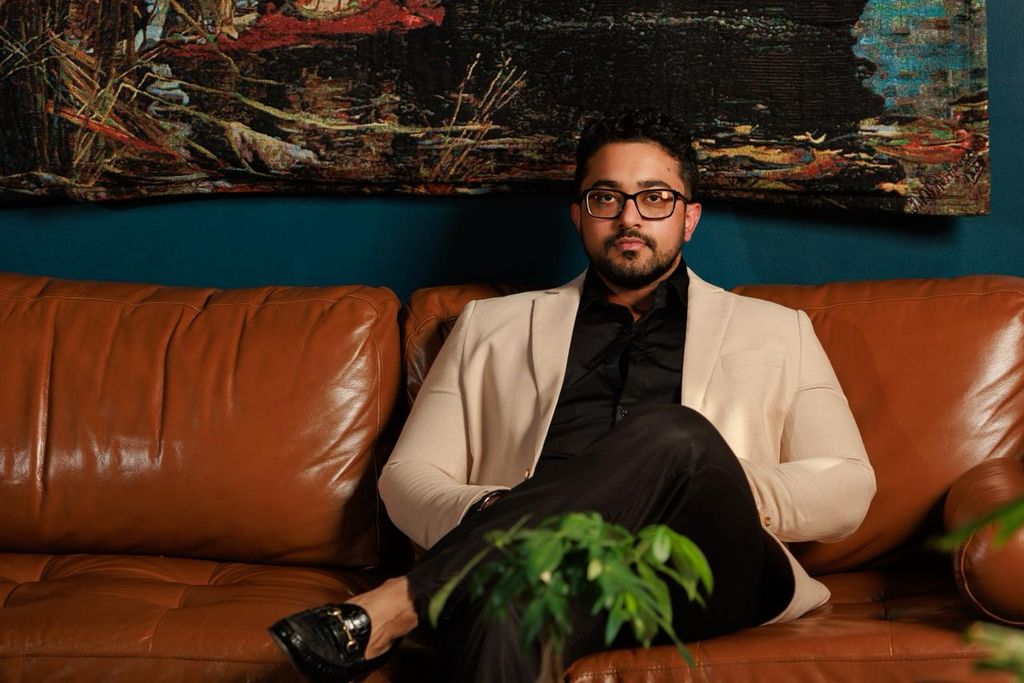
Entrepreneur Riaz Bhagaloo, owner of Arazzi Restaurant on Maraval Road, has distributed the funds between two grassroots organisations, Rapid Fire and Bridge of Hope Orphanage, both of which provide care and support for vulnerable children.
The donation, made in 2025, comes against the backdrop of mounting pressure on the national child protection framework, with data from the Children’s Authority showing more than 400 reports of child abuse being made on average each month in recent years. Child neglect remains the most frequently reported issue, underscoring ongoing social and institutional challenges.
Bhagaloo framed the contribution as part of a broader push to address those gaps through direct intervention. “This is not a charity for optics. This is about building a pipeline of opportunity for children who otherwise fall through the cracks,” he said.
The two beneficiary organisations, led by Subesh Ramjattan and Kevin Ratiram, have been operating at the community level, providing shelter, supervision and developmental support for children in difficult circumstances. The funding is expected to assist in expanding those services at a time when demand continues to outpace available resources.
The move also reflects a wider shift towards youth-led philanthropy, with younger business figures increasingly taking on roles traditionally left to state agencies and large institutions.
While the Government continues to implement reforms within the child protection system, concerns have been raised about response times, oversight and the capacity of children’s homes. The volume of reported cases has remained consistently high, pointing to structural issues that extend beyond institutional reach.
Bhagaloo said the responsibility for addressing those issues must be shared. “Community social responsibility requires more than conversation. It requires action,” he said, adding that private citizens and business leaders have a role to play in supporting vulnerable groups.
He is also expected to host a private luncheon later this year for both organisations as part of continued engagement.
The intervention adds to the ongoing debate about the role of non-state actors in social development, particularly as demand for services continues to grow. With hundreds of cases reported monthly and limited resources stretched across the system, initiatives like this are increasingly being viewed as necessary support mechanisms rather than optional charity.
Related News

‘Kidnap’ victim escapes captors from Arouca hideout

Trump issues fiery new threat against Iran as details of US aviator’s rescue emerge

Senator warns of ‘dire’ consequences as nurses’ protest intensifies