
Trinidad and Tobago has emerged as a regional leader in environmental protection, achieving a 78 per cent phase-out of Hydrochlorofluorocarbons (HCFCs) as of 2025.
The country is on track to meet its ambitious target of a 97.5 percent reduction by 2027 under the Montreal Protocol, a global treaty designed to safeguard the ozone layer.
Since joining the Protocol in 1989, Trinidad and Tobago has consistently set the pace in the Caribbean, becoming the first nation in the region to sign on to every amendment.
The country successfully eliminated Chlorofluorocarbons (CFCs) in 2008, a milestone that required sweeping changes in industrial standards, new legislation, and extensive retraining of technicians. This effort was spearheaded by the National Ozone Unit of the Environmental Policy and Planning Division, working alongside agencies such as the Bureau of Standards, Customs and Excise Division, and industry partners.
The focus has now expanded to Hydrofluorocarbons (HFCs), potent greenhouse gases with thousands of times the warming potential of carbon dioxide. Through the Kigali Amendment, Trinidad and Tobago is transitioning to “Green Cooling” technologies and energy-efficient appliances, ensuring its climate commitments extend beyond ozone protection.
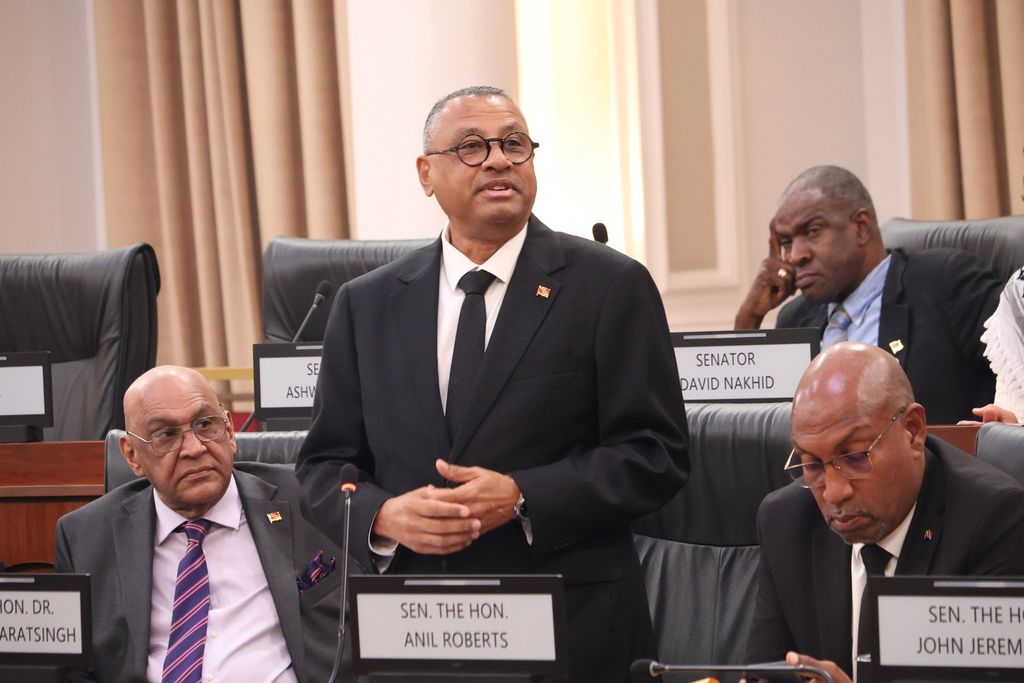
Minister of Planning, Economic Affairs and Development Kennedy Swaratsingh highlighted the importance of collaboration between government, the private sector, and citizens in protecting biodiversity and ecosystems.
Minister Swaratsingh emphasized that these efforts not only safeguard the environment but also reduce health risks such as skin cancer and cataracts linked to excessive UV exposure.
Related News

Shocking twist to Samaroo probe - DPP orders Kaia Sealy's arrest on 3 charges, including k...

Sagicor plants 185 trees in Chaguaramas to mark 185th Anniversary
Abraham: Raghunanan Road resident welcome stronger police presence