
The Telecommunications Authority of Trinidad and Tobago (TATT) will host five days of regional and international discussions on spectrum management, satellite connectivity and telecommunications regulation from November 2 to 6.
T&T Week of Spectrum 2026 will bring together regulators, policymakers, industry representatives and international experts for training and discussions ahead of the 2027 World Radiocommunication Conference (WRC-27), where governments review international rules governing radio-frequency spectrum and satellite orbits.
The programme will include three main engagements focused on strengthening regulatory capacity, regional cooperation and expanding connectivity.
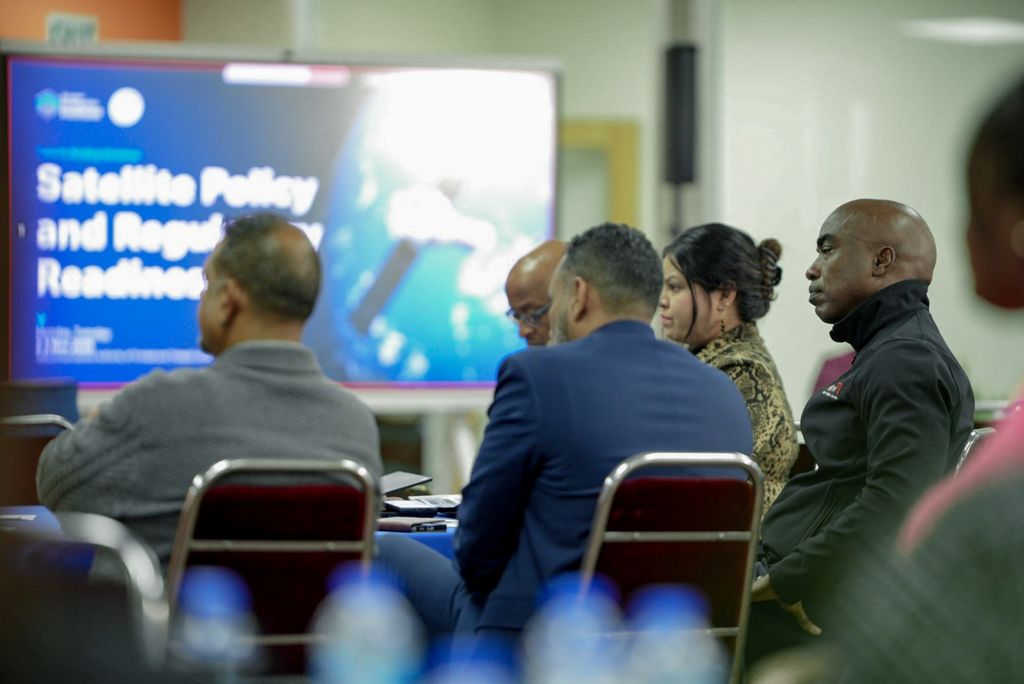
On November 2 and 3, global public policy and regulatory advisory firm Access Partnership will host a workshop on satellite policy and regulatory readiness. The sessions will examine satellite licensing, resilient communications, emerging satellite technologies and preparations for WRC-27.
The programme will also feature a discussion with Public Administration and Artificial Intelligence Minister Dominic Smith on the country's digital transformation agenda, the use of artificial intelligence in public services and the regulatory measures needed to support innovation and connectivity.
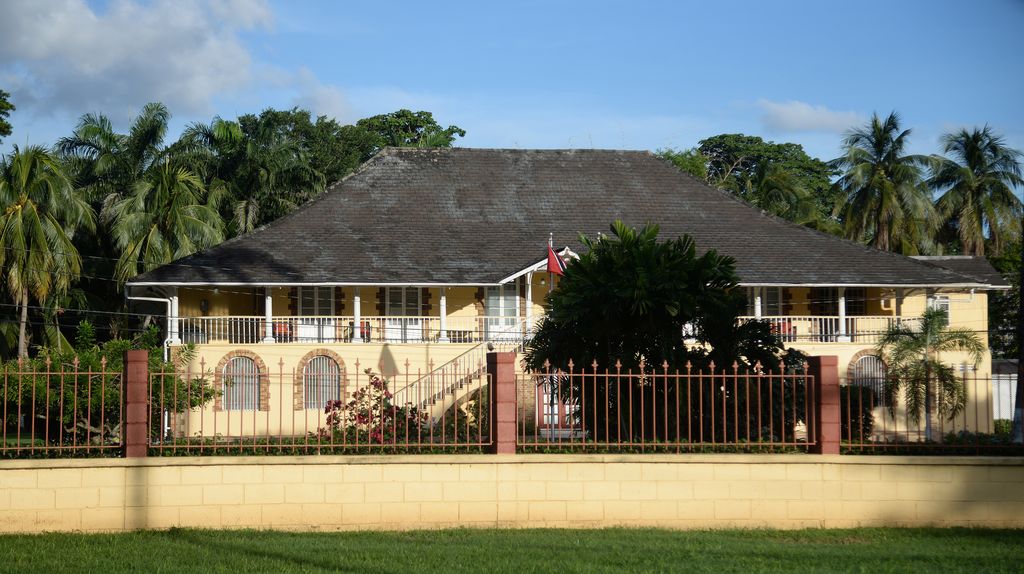
On November 4, the Caribbean Telecommunications Union (CTU) will convene its Spectrum Management Task Force meeting at TATT's headquarters in Barataria. The hybrid meeting will include industry consultations and working group sessions to advance an updated Caribbean Spectrum Management Strategic Plan and review its 2026 Action Plan.
Workshops led by Welchman Keen on November 5 and 6 will examine regulatory approaches to satellite connectivity and the opportunities and challenges associated with the 6 GHz band.
TATT chief executive officer Kurleigh Prescod said technical capacity, regional cooperation and sound regulation must advance together.
He said the week reflected TATT's commitment to strengthening Caribbean collaboration on spectrum management and ensuring the region was prepared to contribute to discussions at WRC-27.
The sessions will also examine how satellite technology could improve connectivity in remote and underserved communities, support maritime and aviation communications, and strengthen communications during disasters.
Radio-frequency spectrum enables wireless services, including mobile communications, broadcasting and satellite connectivity. Effective management helps prevent interference and ensures reliable access to these services.